 by Webmaster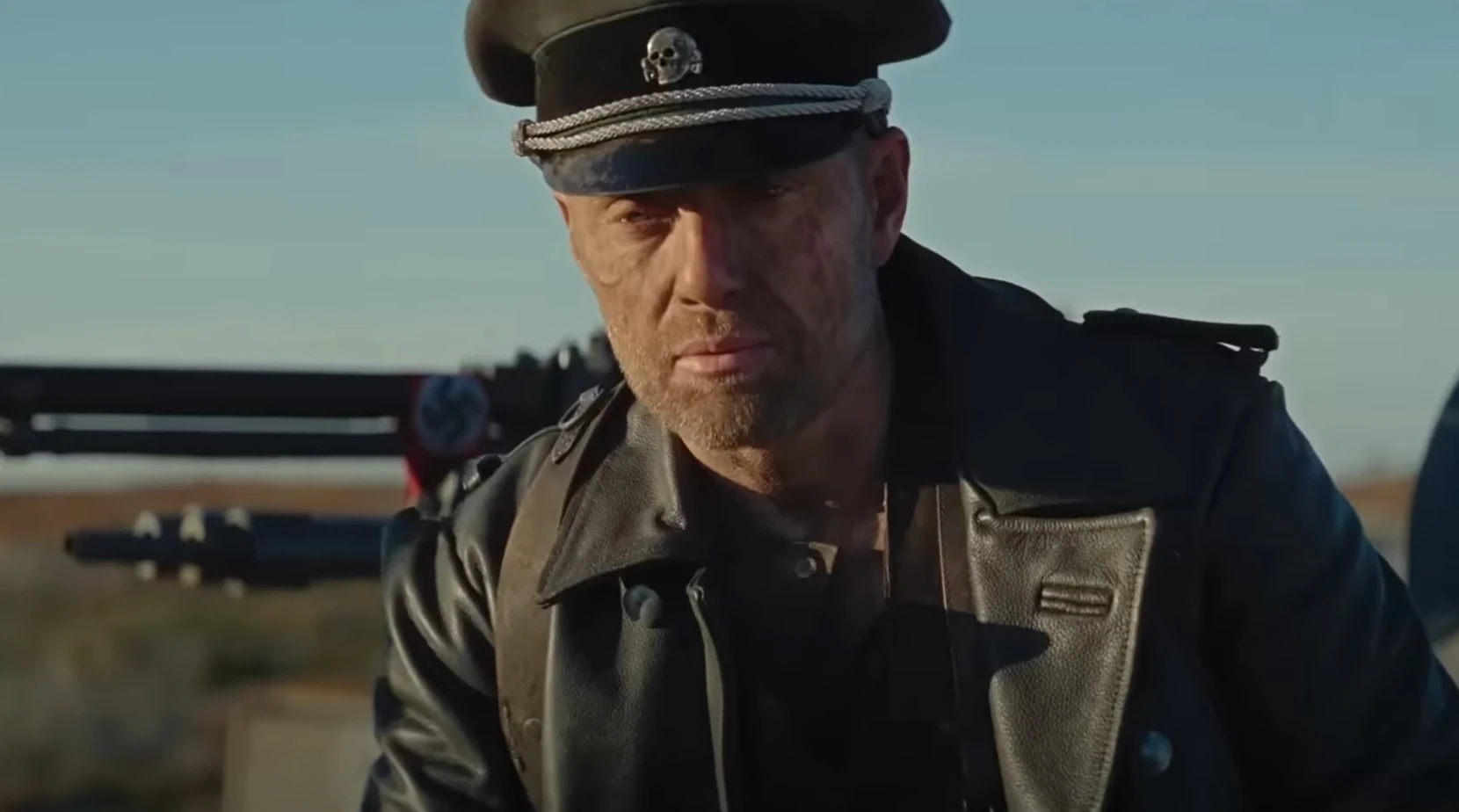
I saw a movie preview about a Finnish movie called ‘Sisu’, with a short on screen review stating that its “the most fun you can have watching Nazis get destroyed!”
When did society get to the point where we are supposed to cheer for mostly young human beings — with no political powers to be in control over what they are doing — getting maimed, mutilated, and killed in gory fashion?
It is understandable to feel uneasy about the glorification of violence, even against historical enemies such as Nazis, in ‘Sisu’ and other popular media outlets.
However, it is important to note that entertainment media, including movies, have always been a reflection of the society in which they are created. The portrayal of violence in media has been a topic of debate for decades, and there are varying opinions on its impact on individuals and society.
While it is important to acknowledge the atrocities committed by Nazi Germany during World War II, it is also crucial to recognize the complexity of human nature and the circumstances that lead individuals to act in certain ways.
Moreover, the portrayal of violence in media can be interpreted in different ways by different viewers, and it is ultimately up to individuals to decide what they are comfortable with watching.
It is important to promote critical thinking and media literacy skills to enable individuals to make informed decisions about what they consume in media. It is also important to engage in open and respectful dialogue about these issues to promote a better understanding of the potential impact of media on individuals and society.
“However, it is important to note that entertainment media, including movies, have always been a reflection of the society in which they are created.”
Elaborate more on this in the context of the movie I have just mentioned.
In the case of the movie “Sisu,” the portrayal of violence against Nazis can be seen as a reflection of society’s ongoing interest in exploring and processing the events of World War II. It is common for popular media to depict historical conflicts and struggles, as they provide a lens through which audiences can understand and relate to past events.
Moreover, the portrayal of Nazis as villains in media is a common trope that has been used for decades. This can be seen as a reflection of society’s continued recognition of the atrocities committed by Nazi Germany during World War II, and the desire to remember and honor the victims of those atrocities.
However, it is important to note that media is not a passive reflection of society, but rather an active participant in shaping and influencing cultural norms and values.
The portrayal of violence in media can have a powerful impact on individuals, particularly young people who may be more impressionable. It is therefore important for media creators to be mindful of the messages they are sending and to consider the potential impact of their work on audiences.
Ultimately, the decision to watch a movie like “Sisu” is a personal one that will depend on individual beliefs and values. It is important for individuals to be critical consumers of media and to engage in thoughtful discussions about the messages portrayed in the media they consume.
I am bringing up this topic because in decades past the portrayal of “Nazi soldiers” — which seems to have all but completely replaced just saying the more appropriate ‘German’ and / or ‘Wehrmacht soldier’ at this point — was much more nuanced in film and TV.
For instance, in the movie ‘The Great Escape’ from 1963, the POW camp commander (Von Luger) is portrayed as a professional soldier who sympathizes with his mostly British prisoners and hardly has some sort of ‘evil’ demeanor.
Why is it that the further we get away from World War II, the worse that the common German soldier or officer from this era is portrayed? Like some dark ominous tones start playing in the background when “Nazis” are on screen?
The portrayal of Nazis in popular media has indeed changed over time, and this can be attributed to a number of factors. One possible explanation for the shift towards more simplistic portrayals of Nazis as pure evil is the passage of time, which has allowed for a clearer understanding of the atrocities committed by Nazi Germany during World War II.
Additionally, the portrayal of Nazis in media is influenced by a variety of cultural and political factors. In the immediate aftermath of World War II, for example, there was a strong desire to promote a narrative of German collective guilt and responsibility for the Holocaust. This narrative was reflected in popular media at the time, which often portrayed Germans as uniformly evil and deserving of punishment.
In more recent years, there has been a growing interest in exploring the complexity of human nature and the circumstances that lead individuals to act in certain ways.
This has led to more nuanced portrayals of Nazis in some cases, but it is also important to recognize that media is often driven by the desire to appeal to broad audiences and generate profits. The portrayal of Nazis as unambiguously evil can be seen as a safe bet in terms of audience appeal, as it requires little nuance or complexity to understand.
Ultimately, the portrayal of Nazis in media is shaped by a variety of factors, including historical context, cultural norms, and audience expectations. While it is important to remain critical of simplistic portrayals of historical events and figures, it is also important to recognize the power of media to shape our understanding of the past and to engage in open and respectful dialogue about these issues.
“The portrayal of Nazis as unambiguously evil can be seen as a safe bet in terms of audience appeal, as it requires little nuance or complexity to understand.”
Why aren’t communist regimes of the 20th century given even a fraction of the attention for being the film “baddies” as World War II Germany?
The portrayal of Nazis in popular media has indeed been a more frequent and prominent topic than communist regimes of the 20th century.
One possible explanation for this is that the atrocities committed by Nazi Germany during World War II were on a much larger scale and more well-known to the general public than those committed by communist regimes, especially in the Western world where most of Hollywood movies and TV shows are produced.
Moreover, the portrayal of communism in popular media is often more complex and nuanced than the portrayal of Nazis. Communism has a long and complicated history, with different iterations and interpretations in different countries and at different times. This complexity can make it more challenging to portray communism as a clear-cut villain in media.
Another factor is the ongoing cultural and political debates around communism, particularly in countries where it has had a significant impact on society and politics. The portrayal of communism in media can therefore be influenced by a variety of cultural and political factors that may make it a more contentious topic than the portrayal of Nazis.
Ultimately, the portrayal of historical events and figures in media is shaped by a variety of factors, including historical context, cultural norms, and audience expectations.
While the portrayal of Nazis as villains in media has been more common than the portrayal of communism, it is important to remain critical of simplistic and one-dimensional portrayals of complex historical events and figures, regardless of the political ideology involved.
One final question. Isn’t it odd that the very same people who claim they are against “hate” — such as many a blue-haired social justice warrior — are the same type of people who will gleefully pay to see young German men being torn apart in this movie?
It is important to note that not all individuals who are against hate necessarily share the same views on the portrayal of Nazis in media, and that the portrayal of Nazis in a particular movie is just one aspect of a larger cultural and historical context. The decision to see a movie or not is ultimately a personal choice, and individuals may have different reasons for choosing to watch a particular movie or not.
That being said, it is true that some individuals who are against hate may still find enjoyment in watching Nazis being portrayed as villains in movies. This may be because they view the portrayal of Nazis in media as a way of condemning the actions of Nazi Germany during World War II, rather than as a celebration of violence or hatred towards Germans or any other group of people.
Ultimately, it is important to approach discussions of sensitive and complex topics with empathy, respect, and a willingness to engage in open and honest dialogue.



Leave a Reply