 by Webmaster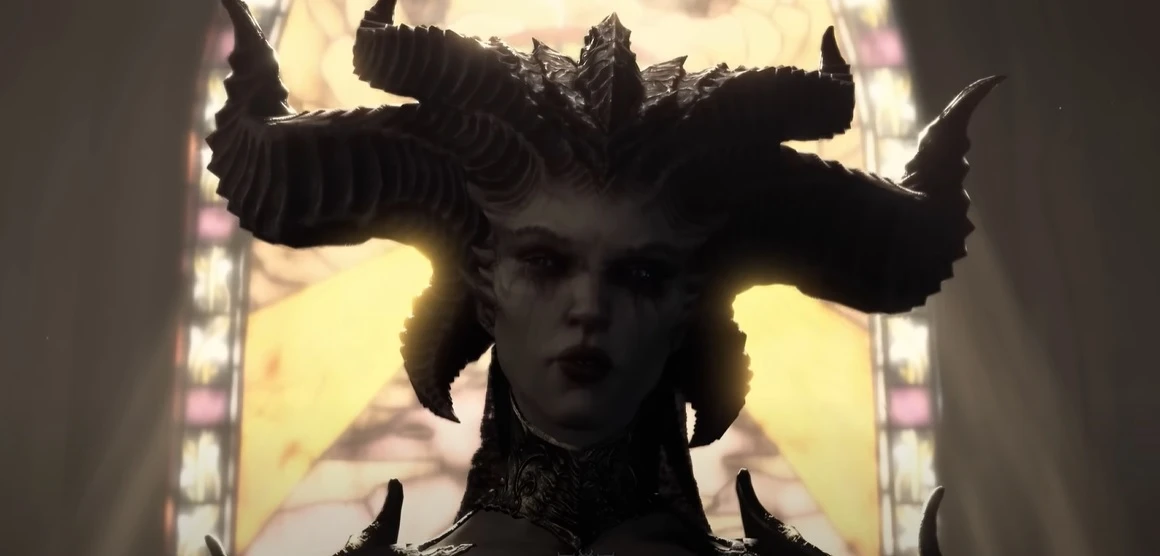
What is the main storyline for the upcoming game ‘Diablo 4’ and elaborate on the story of Lilith.
Diablo 4 is an upcoming action role-playing game set in the dark fantasy world of Sanctuary, a world that has been ravaged by demonic forces from the Burning Hells. The game’s main storyline revolves around the return of Lilith, the daughter of Mephisto, one of the Prime Evils who was defeated in the events of Diablo II.
Lilith, who is known as the Queen of the Succubi, is a powerful demon who was once banished by Inarius, the creator of Sanctuary. However, Lilith has now returned to seek vengeance on those who banished her and to claim her rightful place as ruler of the Burning Hells.
The player takes on the role of a hero who must fight against Lilith and her demon minions to prevent her from unleashing an even greater evil upon Sanctuary. Along the way, the player will encounter other powerful characters, including the returning characters of Tyrael and Deckard Cain, who will aid the player in their quest.
As for Lilith’s backstory, she was created by the demon lord Mephisto and the rogue angel Inarius as part of an experiment to create a new world. However, Lilith rebelled against her creators and sought to create a world of her own. This led to a war between Lilith and Inarius, which ended with Lilith being banished to the Void.
In Diablo 4, Lilith has now returned to the mortal realm, and it is up to the player to stop her from unleashing a new wave of destruction and chaos upon Sanctuary. The game promises to have a dark and gritty atmosphere, with a focus on player choice and consequence, and a vast open world for players to explore.
Elaborate on the role of Lilith in demonology in addition to Christian scripture and other writings. Is she generally portrayed as the female equivalent of Satan?
Lilith is a figure that appears in various mythologies and religions, including Judaism, Christianity, and demonology. In these different traditions, Lilith is portrayed in different ways, and her character and role vary depending on the source.
In Jewish mythology, Lilith is often described as a demon or a female demoness who is associated with sexual desire, childbirth, and the night. According to some legends, Lilith was the first wife of Adam, but she refused to submit to him and was banished from Eden. She then became a figure associated with evil, seduction, and temptation.
In demonology, Lilith is often considered a powerful demon who has the ability to possess and manipulate humans. She is portrayed as a seductress who preys on men and as a symbol of female rebellion and independence. In some traditions, Lilith is also associated with the power of death and is said to be able to control the souls of the dead.
In Christian scripture and other writings, Lilith is not mentioned by name, but some scholars have suggested that she may have been alluded to in passages that refer to a “night monster” or a “screech owl.” In these passages, the creature is described as a symbol of desolation and chaos, which some have interpreted as a representation of Lilith.
While Lilith is often associated with Satan in popular culture, she is not generally portrayed as the female equivalent of Satan in demonology. Instead, she is seen as a distinct and powerful figure in her own right, with her own set of characteristics and abilities.
Overall, Lilith’s role in various mythologies and religions is complex and multifaceted, and her portrayal varies depending on the source. In Diablo 4, she is depicted as a powerful and malevolent demon who poses a great threat to the world of Sanctuary.
Elaborate on the role of Lilith in Jewish mythology.
In Jewish mythology, Lilith is a figure who is often associated with demons and malevolent spirits. She is typically portrayed as a powerful and independent female figure who has the ability to possess and manipulate humans, particularly men. Her character and role vary depending on the source, but some common themes and legends associated with Lilith include:
- Lilith as Adam’s first wife: In some Jewish legends, Lilith is said to have been created at the same time as Adam and to have been his first wife. However, she refused to submit to him and was banished from Eden. According to some accounts, Lilith left Adam and went on to have children with other demons, which further cemented her association with evil and darkness.
- Lilith as a seductress: In many Jewish legends, Lilith is portrayed as a seductress who preys on men and who has a particular affinity for newborn babies. She is said to sneak into homes at night and steal babies from their cribs, often leaving behind a disease or a curse in their place.
- Lilith as a symbol of rebellion: Some scholars have suggested that Lilith may have been seen as a symbol of female rebellion and independence in Jewish mythology. This is because she refused to submit to Adam and instead chose to assert her own will and desires.
- Lilith as a night demon: In many Jewish texts, Lilith is associated with the night and with darkness. She is said to have a particular affinity for desolate places and for the shadows. Some legends even describe her as a creature with wings who can fly through the air like a bird.
Overall, Lilith’s role in Jewish mythology is complex and multifaceted. She is a figure who is often associated with darkness, rebellion, and malevolent spirits, and who has inspired numerous legends and stories over the centuries.
Elaborate on the role of Lilith in demonology.
In demonology, Lilith is often considered a powerful demon or a female demoness. Her character and role vary depending on the source, but some common themes and beliefs associated with Lilith include:
- Lilith as a seductress: In many demonological traditions, Lilith is portrayed as a seductress who preys on men. She is said to have a particular affinity for sexual desire and to use her powers of seduction to lure men into her grasp. In some traditions, Lilith is even said to have a sexual relationship with Satan himself.
- Lilith as a symbol of rebellion: Some demonologists view Lilith as a symbol of female rebellion and independence. This is because she refused to submit to Adam and instead chose to assert her own will and desires. In some traditions, Lilith is even seen as a feminist figure who represents the power of women to resist male domination.
- Lilith as a night demon: In many demonological texts, Lilith is associated with the night and with darkness. She is said to have a particular affinity for desolate places and for the shadows. Some legends even describe her as a creature with wings who can fly through the air like a bird.
- Lilith as a demon of childbirth: In some traditions, Lilith is associated with childbirth and is said to have the power to harm infants and mothers during the birthing process. This belief may have arisen due to Lilith’s association with sexuality and reproduction.
Overall, Lilith’s role in demonology is complex and multifaceted. She is a figure who is often associated with seduction, rebellion, and darkness, and who has inspired numerous legends and stories over the centuries.
“In some traditions, Lilith is even said to have a sexual relationship with Satan himself.” Is this how Lilith has sometimes been compared to being Satan’s wife or spouse in popular culture?
Yes, the idea that Lilith has a sexual relationship with Satan in some demonological traditions has contributed to her being associated with being Satan’s wife or spouse in popular culture.
This is because both Lilith and Satan are often seen as figures of darkness, rebellion, and seduction, and their supposed relationship is seen as a symbol of their power and influence in the demonic realm. In some portrayals, Lilith is even depicted as ruling alongside Satan as a queen of the underworld.
However, it’s important to note that these portrayals are often based on folklore and myth rather than on any specific religious or historical accounts.
Elaborate on other ways that Lilith has been portrayed in popular media.
Lilith has been portrayed in a variety of ways in popular media, including literature, film, television, and video games. Some of the most common portrayals of Lilith include:
- As a seductress: Lilith is often portrayed as a seductive and alluring figure who uses her sexuality to control and manipulate men. This portrayal is particularly common in horror and fantasy media.
- As a powerful and independent female figure: Some portrayals of Lilith emphasize her role as a powerful and independent woman who defies patriarchal authority. This portrayal is often linked to Lilith’s association with feminism and female rebellion.
- As a demon or a demoness: In many portrayals, Lilith is depicted as a demonic figure who embodies evil and darkness. This portrayal is often based on her demonological associations.
- As a mother figure: In some portrayals, Lilith is depicted as a mother figure who cares for and protects her children. This portrayal is often linked to her association with childbirth and fertility.
- As a symbol of sexuality and desire: Lilith is often portrayed as a symbol of sexuality and desire, particularly in erotic or pornographic media.
Some notable examples of Lilith in popular media include:
- Lilith in the TV series “Supernatural”: Lilith is a recurring villain in the show and is portrayed as a powerful demon who is one of the main antagonists in the early seasons.
- Lilith in the video game series “Diablo”: Lilith is a major character in the series and is portrayed as the daughter of Mephisto, one of the three prime evils. She is a powerful demon who seeks to manipulate and control humanity.
- Lilith in the comic book series “Lucifer”: Lilith is a recurring character in the series and is portrayed as a powerful demon who is one of Lucifer’s ex-lovers. She is depicted as a seductive and manipulative figure who uses her sexuality to control others.
- Lilith in the TV series “True Blood”: Lilith is a deity worshipped by the vampire characters in the series. She is portrayed as a figure of destruction and chaos, and her followers believe that she will bring about the end of the world.
Is there any backstory on how Lilith will be portrayed in Diablo 4?
The exact portrayal of Lilith in Diablo 4 has not been fully revealed yet, but there are some details that have been released by Blizzard Entertainment, the developer of the game.
According to the official website for Diablo 4, Lilith is described as “the daughter of hatred” and “the mother of humanity.” It is also stated that she was the creator of the worldstone, a powerful artifact that plays a significant role in the series’ lore.
Based on the gameplay trailers and other promotional materials, it appears that Lilith will be a major antagonist in Diablo 4. She is shown leading a cult of worshippers who seek to bring about the end of the world, and she is depicted as a powerful demoness with a seductive and manipulative personality.
It’s worth noting that the Diablo series has its own unique take on the character of Lilith, which may differ from other portrayals in popular media. As such, fans of the series will have to wait until the release of the game to see exactly how Lilith will be portrayed in Diablo 4.



Leave a Reply