 by Webmaster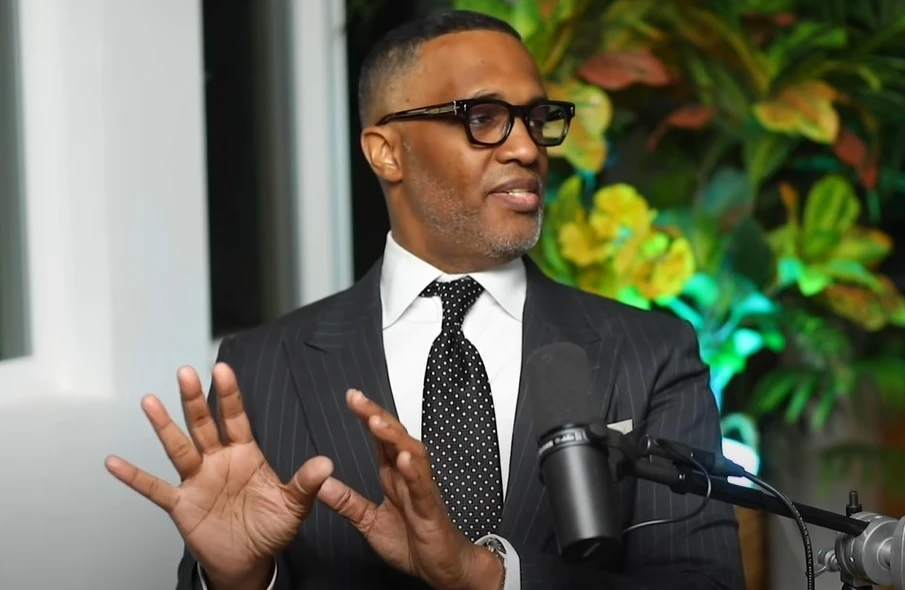
What is the black manosphere, and how is it different from the general “manosphere”?
The “manosphere” refers to a loose collection of online communities and subcultures primarily composed of men who discuss issues related to masculinity, men’s rights, dating, relationships, and self-improvement. The black manosphere, on the other hand, is a subset of the manosphere that focuses specifically on the experiences, perspectives, and challenges faced by black men.
The black manosphere is characterized by its emphasis on topics such as black male identity, black male-female relationships, the role of race in dating and mating, and social and political issues affecting black men.
Members of the black manosphere often express a sense of marginalization and alienation from mainstream society, and they seek to provide a space where black men can discuss their experiences and perspectives freely.
One key difference between the black manosphere and the broader manosphere is the emphasis on race. While the general manosphere may touch on issues of race, the black manosphere places a much greater focus on the experiences of black men within a racialized society.
Additionally, the black manosphere is more likely to address issues of systemic racism and social injustice, whereas the broader manosphere tends to focus more on personal development and self-improvement.
What are some experiences, perspectives, and challenges faced by black men which warrants this specific subset?
Black men in many societies, particularly in the United States, face a unique set of experiences, perspectives, and challenges that can warrant the need for a specific subset such as the black manosphere. Some of these experiences, perspectives, and challenges include:
- Racism: Black men often face discrimination and prejudice in many areas of their lives, including education, employment, and interactions with law enforcement. These experiences can have significant impacts on their self-esteem, mental health, and overall quality of life.
- Masculinity: Black men may experience unique challenges in defining and expressing their masculinity. Societal expectations about what it means to be a “real” man can be especially challenging for black men who may feel pressure to be “tough,” hypermasculine, and aggressive in order to fit into certain cultural norms.
- Relationships: Black men may face unique challenges in romantic relationships, including stereotypes about black men’s sexual prowess and emotional availability. They may also struggle with finding partners who share their values and beliefs, particularly around issues of race and ethnicity.
- Fatherhood: Black men may face stigma and discrimination as fathers, particularly if they are unmarried or have a history of incarceration. They may also struggle with balancing their responsibilities as fathers with the demands of work and other aspects of their lives.
- Health: Black men may experience significant disparities in health outcomes, including higher rates of chronic diseases such as diabetes and heart disease, as well as higher rates of violence and premature death. These challenges can be exacerbated by a lack of access to healthcare and other resources.
These are just a few examples of the experiences, perspectives, and challenges faced by black men that may warrant the need for a specific subset such as the black manosphere. By creating a space for discussion and support, the black manosphere can provide a valuable resource for black men seeking to navigate these challenges and build a sense of community and connection.
Is the “passport bro” meme specific to the black manosphere?
The “passport bro” meme is not specific to the black manosphere, as it has been used in various online communities and subcultures that discuss travel, international dating, and cultural exchange. However, it has been popularized and frequently used within the black manosphere, particularly among those who emphasize the benefits of traveling and dating outside of the United States.
The “passport bro” meme generally refers to a man, often black, who travels frequently and seeks romantic or sexual relationships with women in other countries. The term “passport bro” is often used somewhat tongue-in-cheek, and it can carry both positive and negative connotations depending on the context.
Some in the black manosphere see the pursuit of international travel and relationships as a way of broadening one’s horizons and challenging stereotypes, while others view it as a way of escaping problems in the United States or engaging in exploitative behavior towards women in other countries.
Overall, while the “passport bro” meme is not specific to this subset of the manosphere, it has become a popular and recognizable term within this community, reflecting the unique perspectives and experiences of its members.
What are some of the benefits of traveling and dating outside of the United States that the black manosphere has mentioned in the past?
The black manosphere has highlighted a variety of potential benefits of traveling and dating outside of the United States, including:
- Exposure to new cultures: Traveling to different parts of the world can provide opportunities to learn about and experience new cultures, languages, and ways of life. This exposure can broaden one’s perspective and challenge preconceived notions about other cultures and people.
- Improved dating prospects: Some members of the black manosphere argue that dating outside of the United States can lead to better dating prospects, particularly for black men who may face challenges in the dating scene at home. They suggest that men may be more highly valued in other countries and that cultural differences can make for more interesting and fulfilling relationships.
- Escape from racial prejudice: Many members of the black manosphere feel that they face discrimination and prejudice in the United States, and some see travel and dating abroad as a way of escaping these problems. They suggest that other countries may offer more welcoming and accepting environments for black men, where they can be appreciated for who they are rather than judged based on their race.
- Personal growth: The challenges of travel and navigating unfamiliar cultures can also lead to personal growth and development. Members of the black manosphere argue that these experiences can help to build confidence, resilience, and adaptability, which can be valuable in many areas of life.
Overall, the black manosphere sees travel and dating outside of the United States as a way of broadening one’s horizons, challenging stereotypes, and finding new opportunities and experiences.
However, it is important to note that there are also potential challenges and risks associated with international travel and relationships, and it is important to approach these experiences with an open mind and a willingness to learn and respect local cultures and customs.
Elaborate more on the perceived improved dating prospects outside the United States for the black manosphere.
Some members of the black manosphere argue that dating outside of the United States can lead to improved dating prospects for black men. They suggest that men may be more highly valued in other countries and that cultural differences can make for more interesting and fulfilling relationships.
Here are some ways in which the black manosphere perceives improved dating prospects outside the United States:
- Different beauty standards: Some members of the black manosphere feel that the Western beauty standards perpetuated in the United States do not value black features, such as dark skin and natural hair. They argue that this can make it more difficult for black men to find romantic partners in the United States, where many women may feel pressure to conform to these standards. By contrast, in other countries, different beauty standards may be more accepting of black features, making black men more attractive to potential partners.
- Less emphasis on race: Some members of the black manosphere feel that race is less of a defining factor in relationships outside the United States. They argue that in some countries, people are more likely to be judged on their individual merits and personality rather than their race. This can create a more level playing field for black men who may feel that they are discriminated against or stereotyped based on their race in the United States.
- Different gender dynamics: Some members of the black manosphere feel that gender dynamics in other countries can be more traditional and complementary, which can lead to more fulfilling relationships. They argue that in some countries, women may value qualities such as masculinity, chivalry, and provider status more highly than they do in the United States, where gender roles may be more fluid. This can create more opportunities for black men who may feel that they do not fit into the gender norms of the United States.
- Greater cultural exchange: Some members of the black manosphere value the opportunity to learn about and experience different cultures through dating and relationships. They argue that dating someone from a different culture can be a learning experience that helps to broaden one’s perspective and challenge stereotypes. They also suggest that being in a relationship with someone from a different culture can help to break down barriers and promote greater understanding and acceptance between different groups.
It is important to note that while some members of the black manosphere see improved dating prospects outside of the United States, this perception is not universal and may not apply to all individuals or countries.
Each individual’s experiences and preferences will vary, and it is important to approach dating and relationships with an open mind and a willingness to learn and respect local cultures and customs.
Broadly speaking, what is the black manosphere’s take on masculinity?
The black manosphere has a varied and diverse set of views on masculinity, and it is not monolithic in its beliefs. However, there are certain themes and perspectives that are common across many members of the black manosphere when it comes to masculinity.
- Traditional masculinity: Many members of the black manosphere see traditional masculinity as a positive and important aspect of being a man. They value qualities such as strength, courage, and assertiveness, and see these as important traits for men to cultivate.
- Self-sufficiency: Self-sufficiency and self-reliance are also seen as important aspects of masculinity by many members of the black manosphere. They encourage men to take responsibility for their own lives and to work hard to achieve their goals.
- Rejection of femininity: Some members of the black manosphere reject femininity in men, seeing it as a negative trait that undermines traditional masculinity. They encourage men to reject behaviors or traits that are seen as effeminate or weak, and to embrace the qualities that are traditionally associated with masculinity.
- Redefining masculinity: Some members of the black manosphere see the traditional definition of masculinity as being too narrow and limiting. They believe that men should be able to express their emotions and show vulnerability without being seen as weak or less masculine. They encourage men to embrace a more holistic and nuanced view of masculinity, one that is based on personal values and individual expression.
- Protecting the community: Many members of the black manosphere see masculinity as being closely tied to protecting the black community. They encourage men to be leaders and role models in their communities, and to work to uplift and empower other black men and boys.
Overall, this subset of the manosphere tends to emphasize traditional masculinity and self-sufficiency, while rejecting femininity and encouraging men to be leaders in their communities. However, there is also a growing movement within the black manosphere to redefine masculinity and create a more inclusive and diverse view of what it means to be a man.
How has the mainstream media generally portrayed the black manosphere?
The mainstream media has not paid significant attention to the black manosphere, and when they have, it has often been in a negative light. Some media outlets have painted the black manosphere as a misogynistic and hateful movement, while others have focused on the more extreme and controversial voices within the movement.
There has been a tendency to view the black manosphere through the lens of the larger “manosphere” movement, which is often associated with toxic masculinity and white supremacy.
However, this portrayal is not necessarily representative of the entire movement, which is a diverse and multifaceted movement with a variety of viewpoints and voices. Some members of the black manosphere have criticized the mainstream media for not accurately representing their perspectives and for perpetuating stereotypes about the movement.
In recent years, there has been a growing interest in the black manosphere within academic and intellectual circles, with some scholars and commentators examining the movement’s views on race, gender, and masculinity.
This has led to more nuanced and complex discussions about the black manosphere, which go beyond the simplistic and negative portrayal that is often presented in the mainstream media.
Finally, who have been some of the biggest influencers in the black manosphere?
The black manosphere is a diverse and decentralized movement with many different voices and influencers. However, there are a few individuals who have had a significant impact on the movement and helped to shape its ideas and perspectives.
- Tommy Sotomayor: Tommy Sotomayor is a controversial figure in the black manosphere, known for his provocative and often inflammatory commentary on race, gender, and culture. He has a large following on social media and has been one of the most visible and influential figures in the movement.
- Tariq Nasheed: Tariq Nasheed is a filmmaker, author, and public speaker who has been involved in the black manosphere for many years. He is known for his critiques of mainstream media and his advocacy for black empowerment.
- Kevin Samuels: Kevin Samuels is a YouTuber and image consultant who has become a prominent figure in the black manosphere in recent years. He is known for his frank and often controversial discussions of dating, relationships, and gender roles.
- Dr. Umar Johnson: Dr. Umar Johnson is a psychologist and political commentator who has been involved in the black manosphere for many years. He is known for his critiques of mainstream education and his advocacy for black empowerment.
- Minister Jap: Minister Jap is a YouTuber and speaker who focuses on issues related to black masculinity and self-improvement. He is known for his inspirational messages and his advocacy for personal responsibility and self-sufficiency.
These are just a few of the many voices and influencers within this manosphere, and the movement is constantly evolving and changing. However, these individuals have had a significant impact on the movement and helped to shape its ideas and perspectives.

Leave a Reply