 by Webmaster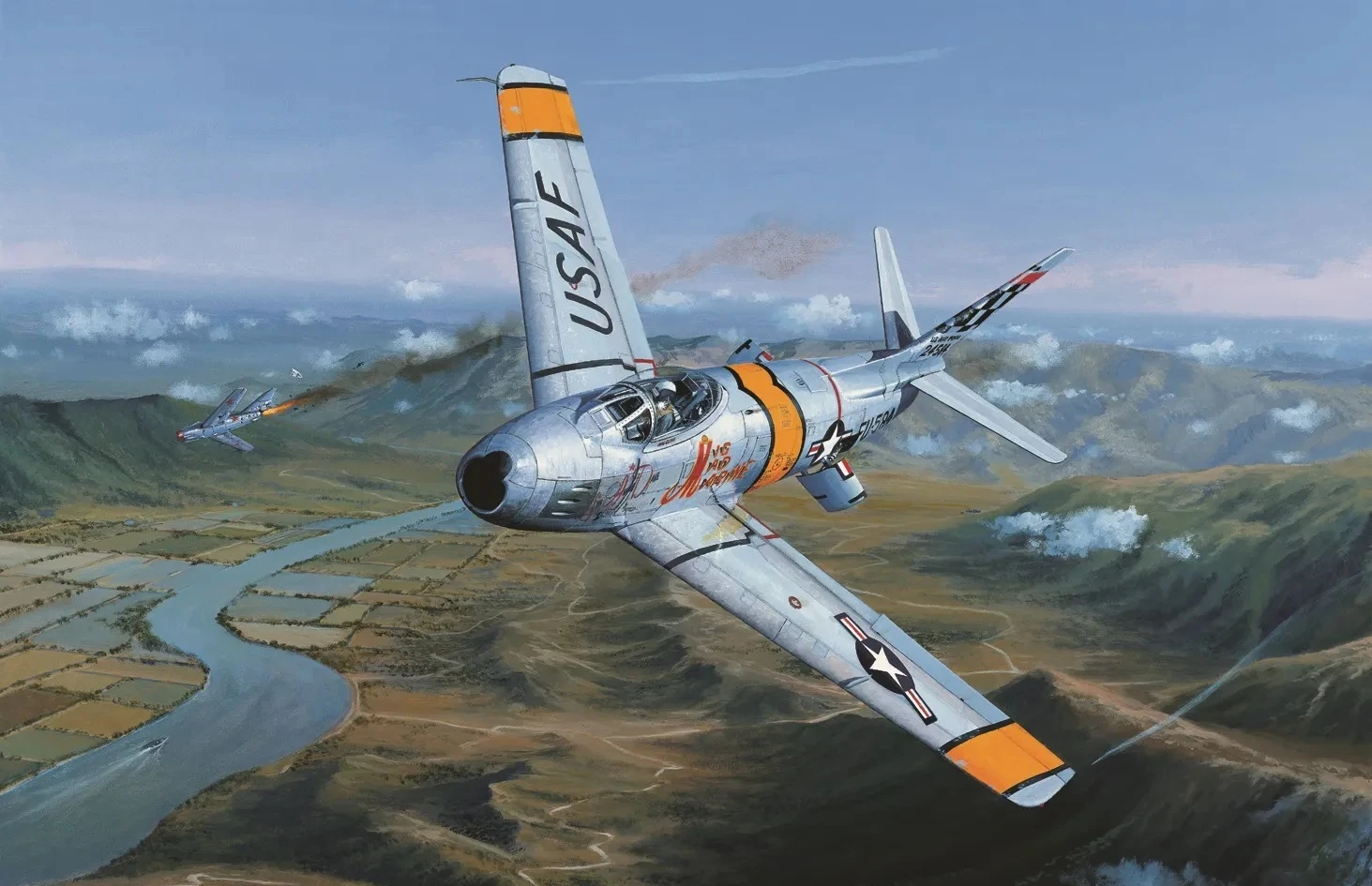
How would World War II have been different if the major belligerents had Korean War era (early 1950s) military technology?
If the major belligerents of World War II had the military technology of the early 1950s, specifically that of the Korean War era, the war would have played out quite differently. Here are some of the ways in which the war might have been impacted:
- Air power: The development of jet-powered aircraft during the Korean War era would have dramatically changed the air war. Jet fighters such as the F-86 Sabre and the MiG-15 would have replaced the propeller-driven fighters of World War II. These planes were much faster and more maneuverable, making them better suited for dogfighting. In addition, jet bombers like the B-47 Stratojet and the Tu-16 Badger would have been capable of delivering nuclear weapons, which would have significantly altered the strategic calculus of the war.
- Naval power: The introduction of guided missiles during the Korean War era would have had a profound impact on naval warfare. Guided missiles like the RIM-2 Terrier and the SS-N-2 Styx would have made surface ships vulnerable to attack from long range. In addition, submarines equipped with ballistic missiles like the Polaris and the SS-4 Sandal would have been able to strike targets on land with nuclear weapons.
- Ground warfare: The introduction of tanks like the M46 Patton and the T-54/55 during the Korean War era would have improved the mobility and firepower of ground forces. These tanks were more heavily armored and better armed than their World War II counterparts, making them more effective in combat. In addition, infantry weapons like the M14 rifle and the AK-47 assault rifle would have been more widely available, giving individual soldiers more firepower.
Overall, the Korean War era military technology would have significantly altered the nature of World War II. The introduction of jet fighters, guided missiles, and nuclear weapons would have made the war more deadly and more destructive. It is impossible to say exactly how the war would have played out, but it is likely that the outcome would have been even more uncertain and unpredictable than it was in reality.
Elaborate on how air power would have played out differently in this different “World War II”.
If the major belligerents of World War II had Korean War-era military technology, air power would have played out much differently. Here are some ways in which this would have occurred:
- Jet-powered fighters: The introduction of jet fighters like the F-86 Sabre and the MiG-15 would have revolutionized air combat. Jet fighters were much faster and more maneuverable than the propeller-driven fighters of World War II, which would have made it easier to engage and evade enemy fighters. The increased speed and altitude capabilities of jet fighters would have also made bombing raids and strafing runs more effective and difficult to defend against.
- Guided missiles: The Korean War-era saw the development of guided missiles like the RIM-2 Terrier and the SS-N-2 Styx. These missiles would have been capable of hitting targets from long ranges, making them ideal for striking enemy airfields, naval vessels, and industrial targets. They would have also made it more difficult for enemy aircraft to operate in a given area, as they would have had to deal with the threat of missile attacks.
- Strategic bombing: The Korean War-era also saw the development of long-range strategic bombers like the B-47 Stratojet and the Tu-16 Badger. These bombers would have been capable of carrying nuclear weapons, which would have made strategic bombing campaigns much more deadly and devastating. They would have also made it more difficult for enemy aircraft to operate, as they would have had to deal with the threat of nuclear attack.
- Air defense: The introduction of jet fighters and guided missiles would have made air defense much more challenging. Anti-aircraft guns and flak would have been less effective against the faster and more maneuverable jet fighters, while guided missiles would have been more difficult to shoot down than unguided bombs. This would have made it more difficult for defenders to protect key targets from air attack.
Overall, the introduction of Korean War-era military technology would have greatly increased the lethality and effectiveness of air power in World War II. It would have made air combat more intense and difficult to predict, and would have raised the stakes of strategic bombing campaigns.
The development of nuclear weapons would have added an additional level of fear and uncertainty to the air war, making it even more destructive and deadly than it was in reality.
Elaborate on how naval power would have played out differently in this different “World War II”.
If the major belligerents of World War II had Korean War-era military technology, naval power would have played out very differently. Here are some ways in which this would have occurred:
- Guided missiles: The introduction of guided missiles like the RIM-2 Terrier and the SS-N-2 Styx would have revolutionized naval warfare. These missiles would have allowed ships to engage targets from long ranges, making it more difficult for opposing ships to get close enough to engage in close-range combat. This would have made naval engagements more focused on long-range engagements and missile exchanges.
- Ballistic missiles: The Korean War-era saw the development of ballistic missiles like the Polaris and the SS-4 Sandal. These missiles would have allowed submarines to strike targets on land with nuclear weapons, which would have made naval engagements much more deadly and devastating. They would also have made it more difficult for opposing naval forces to operate close to shore, as they would have had to deal with the threat of nuclear attack.
- Aircraft carriers: The introduction of jet-powered aircraft during the Korean War era would have made aircraft carriers even more important than they were in World War II. Jet fighters like the F-86 Sabre and the MiG-15 would have made it easier to engage and evade enemy fighters, while jet bombers like the B-47 Stratojet and the Tu-16 Badger would have been able to deliver nuclear weapons. This would have made aircraft carriers key to both naval engagements and strategic bombing campaigns.
- Anti-submarine warfare: The development of nuclear submarines during the Korean War era would have made anti-submarine warfare even more critical than it was in World War II. The increased range and stealth of these submarines would have made them much more difficult to detect and track, which would have made protecting naval convoys and hunting enemy submarines much more challenging.
Overall, the introduction of Korean War-era military technology would have dramatically changed naval warfare in World War II. Guided missiles and ballistic missiles would have made long-range engagements more important, while the increased importance of aircraft carriers would have made air power even more critical to naval operations.
The development of nuclear weapons would have made naval engagements much more deadly and devastating, and would have added an additional level of fear and uncertainty to naval warfare.
Elaborate on how ground warfare would have played out differently in this different “World War II”.
If the major belligerents of World War II had Korean War-era military technology, ground warfare would have played out very differently. Here are some ways in which this would have occurred:
- Armored vehicles: The Korean War-era saw the introduction of new armored vehicles, including the M48 Patton tank and the T-54/55 Soviet tank. These tanks were faster, better armored, and more powerful than their World War II counterparts, which would have made armored warfare much more dynamic and lethal.
- Infantry weapons: The Korean War-era saw the introduction of new infantry weapons, including the AK-47 assault rifle and the M14 rifle. These weapons were more reliable and accurate than their World War II counterparts, and were capable of firing more rounds at a faster rate. This would have made infantry engagements more intense and deadly.
- Anti-tank weapons: The Korean War-era saw the development of new anti-tank weapons, including the TOW missile and the RPG-7 rocket launcher. These weapons were more effective against armored vehicles than the anti-tank weapons of World War II, which would have made armored warfare more dangerous and challenging.
- Nuclear weapons: The development of nuclear weapons during the Korean War era would have had a major impact on ground warfare. The threat of nuclear attack would have made offensive operations much more risky, and would have made defensive operations much more critical. This would have created a greater emphasis on fortifications, bunkers, and underground facilities.
- Communication and reconnaissance: The Korean War-era saw the development of new communication and reconnaissance technologies, including the AN/PRC-25 radio and the U-2 spy plane. These technologies would have made it easier for ground forces to communicate with each other and with their commanders, and would have made it easier to gather intelligence on enemy positions and movements.
Overall, the introduction of Korean War-era military technology would have greatly increased the lethality and effectiveness of ground warfare in World War II.
Armored vehicles, infantry weapons, and anti-tank weapons would have made armored warfare more dynamic and lethal, while the development of nuclear weapons would have made offensive operations much riskier. The emphasis on communication and reconnaissance would have made it easier for ground forces to coordinate their movements and gather intelligence.
Hypothetically speaking, if Germany possessed this level of military technology while the other belligerents were stuck with real historical WW2-era technology, would they have stood a very strong chance of achieving all their military goals?
It is difficult to say for certain whether Germany would have stood a strong chance of achieving all its military goals if it possessed Korean War-era military technology while the other belligerents were stuck with World War II-era technology. However, it is likely that Germany would have had a significant advantage in some areas of warfare.
For example, Germany’s armored vehicles would have been faster, better armored, and more powerful than their World War II counterparts, which would have made armored warfare much more dynamic and lethal.
Additionally, the introduction of guided missiles and ballistic missiles would have made strategic bombing campaigns much more effective, and would have made it more difficult for Allied forces to protect their cities and industries from attack.
However, it is important to note that military technology is only one aspect of warfare. Other factors, such as manpower, logistics, and strategy, would also have played a significant role in determining the outcome of the war.
Additionally, it is likely that the other belligerents would have eventually caught up with Germany in terms of military technology, particularly if the war had continued for a prolonged period of time.
Overall, while Germany may have had an advantage in some areas of warfare if it possessed Korean War-era military technology while the other belligerents were stuck with World War II-era technology, it is difficult to say for certain whether this would have been enough to ensure its victory in the war.
Hypothetically speaking, if World War II was a very long stalemate in both the European and Asian theaters of war lasting into the early 1950s, would military technology likely have naturally progressed to these levels anyway?
It is likely that military technology would have continued to progress even if World War II had become a long stalemate lasting into the early 1950s. This is because the military demands of a prolonged conflict would have spurred innovation and development in military technology, particularly in areas such as armor, artillery, and aviation.
Additionally, the post-World War II era saw a significant increase in military spending and research and development, particularly in the United States and the Soviet Union. This investment in military technology helped to fuel rapid advances in areas such as missile technology, jet propulsion, and nuclear weapons.
Furthermore, the Korean War itself saw significant advancements in military technology, particularly in areas such as armored vehicles, infantry weapons, and anti-tank weapons. This suggests that even if World War II had become a prolonged stalemate, military technology would likely have continued to progress and evolve over time.
Overall, it is likely that military technology would have naturally progressed to the level seen during the Korean War era even if World War II had become a long stalemate lasting into the early 1950s. The demands of a prolonged conflict and continued investment in military research and development would have likely spurred further innovation and development in military technology.



Leave a Reply