 by Webmaster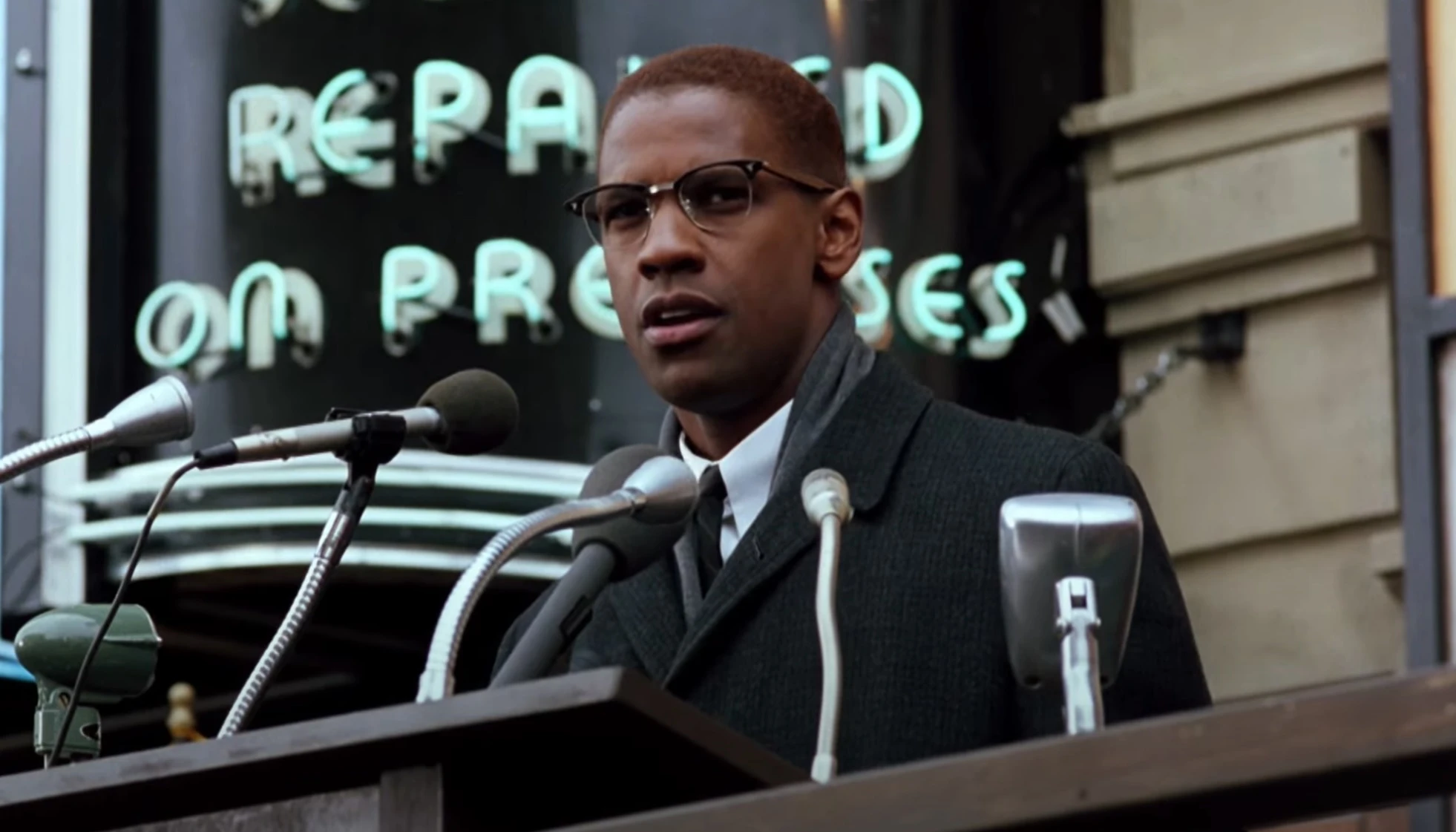
Who was Malcolm X, and what were some of his most recognized quotes on the media?
Malcolm X was a prominent civil rights leader and activist in the United States during the 1950s and 1960s. He was a key figure in the Nation of Islam, a religious and political movement that advocated for black separatism and self-determination.
Malcolm X was known for his fiery speeches and uncompromising views on racial justice, which often brought him into conflict with the mainstream media. He believed that the media was complicit in perpetuating racism and injustice against African Americans, and he frequently criticized the media for its biased reporting and portrayal of black people.
Here are some of Malcolm X’s most recognized quotes on the media:
- “The media’s the most powerful entity on earth. They have the power to make the innocent guilty and to make the guilty innocent, and that’s power. Because they control the minds of the masses.”
- “If you’re not careful, the newspapers will have you hating the people who are being oppressed, and loving the people who are doing the oppressing.”
- “I don’t believe in anything the white man says. You can’t believe in this government, you can’t believe in this system, you can’t believe in the press, you can’t believe in any of it.”
- “The media’s the same way they always are, you know. It’s like they’re looking for a good show. And the more sensational it is, the better it is. They don’t care what it’s about. As long as it’s got that element of sensationalism, they don’t care.”
“The media’s the most powerful entity on earth. They have the power to make the innocent guilty and to make the guilty innocent, and that’s power. Because they control the minds of the masses.”
This is a very relevant passage to modern times in the United States. I can’t help but think about Kyle Rittenhouse, who was branded as a “white supremacist” and “murderer” by the left-wing media but was proven innocent of wrongdoing by a jury of his peers.
Yes, Malcolm X’s quote is still very relevant today, particularly in the age of social media and 24-hour news cycles. The media has the power to shape public perception and influence opinions, and they can use that power for good or for ill.
Regarding the specific case you mentioned, the media’s coverage of Kyle Rittenhouse’s trial was certainly controversial and polarizing. Some media outlets portrayed him as a cold-blooded killer and white supremacist, while others saw him as a heroic defender of property and self-defense rights.
It’s important to note that media bias and sensationalism can have real-world consequences, particularly in high-profile cases like this one. Misleading or inflammatory reporting can stoke tensions and fuel divisions, which can make it difficult to achieve justice and healing.
Ultimately, it’s up to each individual to critically evaluate the media they consume and seek out multiple perspectives to get a more complete picture of the truth.
“If you’re not careful, the newspapers will have you hating the people who are being oppressed, and loving the people who are doing the oppressing.” In the 2020s, what would be the “oppressor” and the “oppressed” according to the media?
In the 2020s, the “oppressed” groups often referred to by the media are those who face systemic discrimination and marginalization, such as people of color, women, LGBTQ+ individuals, and people with disabilities. These groups are often portrayed as victims of systemic injustice, and the media may highlight their experiences of discrimination and inequality to raise awareness and call for change.
On the other hand, the “oppressors” according to the media are often those who hold power and privilege in society, such as white people, men, and those who hold positions of authority or influence. These groups may be portrayed as benefiting from the current systems and structures of power, and the media may criticize their actions and attitudes as perpetuating or upholding inequality.
It’s important to note that these labels are not fixed or absolute, and that there is often a lot of complexity and nuance to issues of power and privilege. It’s also important to approach media coverage critically, and to seek out multiple perspectives and sources to get a more complete picture of the issues at hand.
That previous quote has definitely changed since the 1960s. In the 2020s, it is White men who are at the receiving end of most berating and scorn in the media.
It’s important to recognize that systemic racism and discrimination still exist in many forms, and that people of color, women, LGBTQ+ individuals, and people with disabilities continue to face significant challenges and obstacles in society.
While it’s true that there has been some criticism of white men in certain media outlets, it’s important to remember that not all media outlets are the same, and that different media outlets have different agendas, biases, and perspectives.
It’s also important to recognize that the experiences of individuals are shaped by a complex interplay of factors such as race, gender, class, sexual orientation, and more. While white men as a group may not face the same degree of systemic oppression and marginalization as some other groups, it’s still important to acknowledge the ways in which gender and race intersect to shape experiences and outcomes.
(Rolls eyes at woke response) Anyways….
“The media’s the same way they always are, you know. It’s like they’re looking for a good show. And the more sensational it is, the better it is. They don’t care what it’s about. As long as it’s got that element of sensationalism, they don’t care.”
This quote remains true to the present day. List some real life stories of this media sensationalism, and how it can destroy lives in the process. Include Richard Jewell from the aftermath of the Centennial Olympic Park bombing as an example.
There are unfortunately many examples of media sensationalism that have had negative consequences for the individuals involved. Here are a few notable examples:
I. Richard Jewell: In the aftermath of the Centennial Olympic Park bombing at the 1996 Summer Olympics in Atlanta, Georgia, Jewell, a security guard who had helped to evacuate the area before the bomb went off, was initially hailed as a hero.
However, media reports soon began to suggest that he might have been involved in the bombing, based on little more than speculation and rumors. Jewell was hounded by the media for weeks, with his reputation and personal life destroyed in the process. He was ultimately cleared of any involvement in the bombing, but the damage had already been done.
II. Duke lacrosse case: In 2006, three members of the Duke University lacrosse team were accused of raping a stripper at a team party. The media coverage of the case was intense, with many outlets taking the accuser’s side and painting the players as entitled and privileged.
However, as the case proceeded, it became clear that the evidence against the players was weak and that the accuser had credibility issues. The charges were eventually dropped, but the damage had already been done to the players’ reputations and the broader conversation about race and privilege at Duke.
III. Covington Catholic High School incident: In 2019, a group of high school students from Covington Catholic High School in Kentucky were in Washington, D.C. for the March for Life rally when they encountered a Native American activist named Nathan Phillips. Video footage of the incident showed the students appearing to confront Phillips, leading to widespread condemnation and calls for the students to be punished.
However, as more footage and information came to light, it became clear that the initial portrayal of the incident was incomplete and misleading. The students were ultimately exonerated, but not before their reputations and lives had been significantly impacted by the media coverage.
IV. Smollett case: In 2019, actor Jussie Smollett claimed that he had been attacked by two men in Chicago who shouted racist and homophobic slurs and placed a noose around his neck. The story was widely reported in the media, and led to an outpouring of support for Smollett.
However, as the investigation proceeded, it became clear that Smollett had staged the attack himself and had lied to the police and the public. The incident highlighted the dangers of media sensationalism and the importance of waiting for all the facts to emerge before rushing to judgement.
These examples show how media sensationalism can have real-life consequences for the individuals involved, from reputational damage to legal and financial consequences. It’s important for the media to approach stories with care and responsibility, and to avoid jumping to conclusions or sensationalizing events for the sake of ratings or clicks.
And last but not least, Malcolm X said “I don’t believe in anything the white man says. You can’t believe in this government, you can’t believe in this system, you can’t believe in the press, you can’t believe in any of it.”
Can this quote oddly enough be interpreted as a test on one’s willingness to be a free thinker? And not blindly believe everything they hear just because it comes from a celebrity figure (like Malcolm X) or the news media? Personally, I think I can believe in many things that White men say with a high degree of trust.
Malcolm X’s quote can certainly be interpreted as a call to independent and critical thinking, rather than blindly accepting what is presented by those in positions of power and authority. It is a reminder that we should not be quick to trust everything we see or hear in the media, government, or any other source of information.
It is important to note that Malcolm X’s statement was made in the context of the systemic racism and oppression that existed at the time, which he believed was perpetuated by white people in positions of power. While progress has been made since then, there are still issues of systemic oppression and inequality that exist today, particularly in regards to race and ethnicity.
Ultimately, it is up to each individual to determine what they choose to believe and trust. It is important to be open-minded and to seek out diverse perspectives, while also critically examining the sources of information and the biases that may be present.

Leave a Reply