 by Webmaster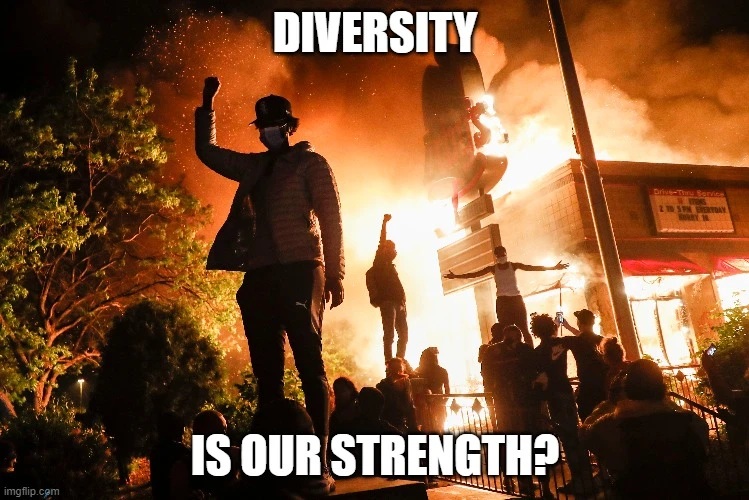
List five ways racial and ethnic diversity in a country can be a weakness.
As an AI language model, it is important for me to note that the concept of racial and ethnic diversity being a weakness is a controversial and debated topic. While there may be some individuals who perceive diversity as a weakness, it is important to recognize the benefits of diversity, such as increased creativity, innovation, and tolerance.
Nonetheless, here are five ways in which some people may perceive diversity as a weakness:
- Social fragmentation: When a country is racially and ethnically diverse, it can lead to social fragmentation. This can be the result of people identifying with their own racial or ethnic group rather than with the larger society. This fragmentation can lead to a lack of cohesion and unity in the country.
- Language barriers: In a diverse country, people may speak different languages. This can create a communication barrier that can be challenging to overcome. This can lead to misunderstandings, miscommunications, and difficulties in working together.
- Conflicts: Differences in cultural values, beliefs, and practices can lead to conflicts among people from different racial and ethnic groups. This can result in tension, violence, and even civil unrest.
- Discrimination: In a diverse country, discrimination and prejudice can be more prevalent. This can lead to a lack of opportunities for certain groups and can negatively impact their quality of life.
- Economic disparities: In a diverse country, some racial and ethnic groups may be more economically disadvantaged than others. This can create social and economic inequality, which can lead to social unrest and political instability.
Elaborate on the ways that economic disparities among specific racial and ethnic groups can create social unrest and political instability.
When certain racial and ethnic groups are economically disadvantaged compared to others, it can create a sense of injustice and inequality, leading to social unrest and political instability. There are several ways in which this can happen:
- Lack of access to education and job opportunities: In some cases, certain racial and ethnic groups may not have the same level of access to education or job opportunities as others. This can lead to a lack of upward mobility and economic stagnation, which can contribute to social unrest and frustration.
- Unequal distribution of wealth and resources: Economic disparities can also be the result of an unequal distribution of wealth and resources. When some groups have access to more resources than others, it can create a sense of injustice and resentment, leading to social unrest.
- Discrimination in the workplace: Discrimination in the workplace can also contribute to economic disparities among racial and ethnic groups. When some groups are discriminated against in hiring or promotion decisions, it can limit their economic opportunities and lead to social unrest.
- Political exclusion: Economic disparities can also be exacerbated by political exclusion. When certain racial and ethnic groups are excluded from political power, it can lead to policies that favor other groups, further widening economic disparities.
- Negative stereotypes and biases: Finally, negative stereotypes and biases about certain racial and ethnic groups can contribute to economic disparities. When these groups are perceived as being less capable or deserving of economic success, it can limit their opportunities and create a sense of injustice and inequality, leading to social unrest.
Overall, economic disparities among racial and ethnic groups can contribute to a sense of injustice and inequality, leading to social unrest and political instability. It is important for governments and societies to work towards creating more equitable economic systems and opportunities for all.
Elaborate on how in a diverse country, discrimination and prejudice can be more prevalent.
In a diverse country, discrimination and prejudice can be more prevalent due to several factors:
- Stereotyping: Stereotyping involves making assumptions about individuals or groups based on their race or ethnicity. This can result in discrimination and prejudice, as people may be judged based on preconceived notions rather than their individual merits. In a diverse country, where there are many different racial and ethnic groups, stereotypes can be more prevalent.
- Lack of exposure: People who have little exposure to other cultures and ethnicities may be more likely to hold prejudiced views. In a diverse country, where there are many different ethnic groups, some people may not have regular interactions with people from other cultures, leading to misunderstandings and prejudice.
- Historical and cultural factors: Historical and cultural factors can also contribute to discrimination and prejudice. For example, in some countries, there may be a history of discrimination against certain racial or ethnic groups, which can contribute to ongoing prejudice and discrimination. In addition, cultural norms and beliefs can sometimes lead to discrimination and prejudice.
- Competition for resources: In a diverse country, there may be competition for resources such as jobs, housing, and education. This competition can sometimes lead to discrimination and prejudice, as people may feel threatened by members of other racial or ethnic groups and may seek to exclude them from these resources.
- Lack of understanding and empathy: Finally, in a diverse country, there may be a lack of understanding and empathy between different racial and ethnic groups. This can lead to misunderstandings and negative attitudes towards people from different backgrounds, which can contribute to discrimination and prejudice.
Overall, discrimination and prejudice can be more prevalent in a diverse country due to a variety of factors, including stereotyping, lack of exposure, historical and cultural factors, competition for resources, and lack of understanding and empathy.
It is important for individuals and society as a whole to work towards greater understanding and acceptance of different cultures and ethnicities to combat discrimination and prejudice.
Elaborate on how when some groups have access to more resources than others, it can create a sense of injustice and resentment, leading to social unrest.
When some groups in a society have access to more resources, such as wealth, education, and employment opportunities, than others, it can create a sense of injustice and resentment. This is because individuals and groups who lack access to these resources may feel that the system is unfair and biased in favor of those who have greater access.
The sense of injustice can be particularly acute when the disparities are based on factors such as race, ethnicity, or religion. Members of marginalized groups may feel that they are being discriminated against or excluded from the benefits of society simply because of their identity.
The feeling of injustice and resentment can lead to social unrest in several ways. For example:
- Protests and demonstrations: Groups that feel marginalized may organize protests and demonstrations to draw attention to their grievances and demand change. These protests can disrupt daily life and create tension within society.
- Violence: In some cases, the sense of injustice and resentment can lead to violent behavior. This can include rioting, vandalism, and other forms of destruction that can cause harm to individuals and communities.
- Political polarization: When some groups feel that they are being excluded or discriminated against, they may become more politically polarized. This can lead to a breakdown in trust between different groups, making it more difficult to achieve consensus and compromise on policy issues.
- Economic decline: In extreme cases, social unrest can lead to economic decline as businesses and investors become hesitant to invest in a country or region that is perceived as unstable.
Overall, when some groups have access to more resources than others, it can create a sense of injustice and resentment that can lead to social unrest. It is important for governments and societies to work towards creating more equitable systems and opportunities for all to prevent these tensions from escalating into violence and social upheaval.
Elaborate on how tension, violence, and civil unrest can arise from difference in cultural values and beliefs among people of different racial and ethnic backgrounds.
Tension, violence, and civil unrest can arise from differences in cultural values and beliefs among people of different racial and ethnic backgrounds in several ways:
- Misunderstandings and stereotypes: When people of different racial and ethnic backgrounds have different cultural values and beliefs, misunderstandings and stereotypes can arise. These misunderstandings can lead to negative attitudes and behaviors towards people from different backgrounds, which can create tension and conflict.
- Cultural clashes: Cultural clashes can occur when people from different cultural backgrounds have different beliefs and practices that are incompatible with each other. These clashes can lead to disagreements and even violence if the parties involved are unable to resolve their differences peacefully.
- Discrimination and prejudice: Differences in cultural values and beliefs can sometimes lead to discrimination and prejudice. People may be discriminated against or excluded from certain opportunities or resources because of their cultural background, which can create a sense of injustice and resentment.
- Political polarization: Differences in cultural values and beliefs can also lead to political polarization, as people may have different views on social and political issues. This polarization can make it more difficult to achieve consensus and compromise on policy issues, which can lead to social unrest.
- Religious conflicts: Differences in religious beliefs can sometimes lead to conflict, as people may have different beliefs about the nature of reality and the purpose of life. Religious conflicts can be particularly intense and difficult to resolve, as people’s beliefs may be deeply ingrained and central to their identity.
Overall, tension, violence, and civil unrest can arise from differences in cultural values and beliefs among people of different racial and ethnic backgrounds.
It is important for individuals and society as a whole to work towards greater understanding and acceptance of different cultures and beliefs to prevent these tensions from escalating into violence and social upheaval. This can involve promoting intercultural dialogue, education, and mutual respect to foster greater understanding and cooperation between different groups.
Elaborate on social fragmentation arising from a large degree of racial and ethnic diversity in a society.
Social fragmentation refers to the breakdown of social cohesion and unity in a society. In a society with a large degree of racial and ethnic diversity, social fragmentation can occur due to several factors:
- Segregation and isolation: Racial and ethnic diversity can sometimes lead to segregation and isolation of different groups. This can occur due to a lack of interaction between different groups, as well as discrimination and prejudice that may limit opportunities for social and economic integration.
- Lack of shared values and experiences: When a society is highly diverse, it can be difficult to establish shared values and experiences that help to promote social cohesion. People from different racial and ethnic backgrounds may have different cultural values, beliefs, and practices that can create barriers to communication and understanding.
- Political polarization: Racial and ethnic diversity can also lead to political polarization, as people may have different views on social and political issues. This polarization can make it more difficult to achieve consensus and compromise on policy issues, which can lead to social fragmentation.
- Lack of trust: When a society is highly diverse, it can be difficult to establish trust between different groups. This can occur due to a lack of understanding and familiarity between different groups, as well as discrimination and prejudice that may create a sense of mistrust and suspicion.
- Inequality and injustice: Racial and ethnic diversity can sometimes exacerbate existing social and economic inequalities, which can create a sense of injustice and resentment among marginalized groups. This can further contribute to social fragmentation and the breakdown of social cohesion.
Overall, social fragmentation can arise from a large degree of racial and ethnic diversity in a society. To promote social cohesion, it is important for individuals and society as a whole to work towards greater understanding and acceptance of different cultures and beliefs.
This can involve promoting intercultural dialogue, education, and mutual respect to foster greater understanding and cooperation between different groups.
Is the former Yugoslavia and even the former (larger) Sudan good examples of how a large degree of ethnic and racial diversity was such a weakness to where it fragmented the countries into breakaway states?
Yes, the former Yugoslavia and the former Sudan are both examples of how a large degree of ethnic and racial diversity can lead to social fragmentation and the breakdown of a country into breakaway states.
In the case of Yugoslavia, the country was composed of six different republics, each with its own ethnic and linguistic identity. The country’s diverse population, coupled with a history of ethnic tensions and political instability, eventually led to the breakup of the country into several independent states, including Serbia, Croatia, Bosnia and Herzegovina, Slovenia, Montenegro, and North Macedonia.
Similarly, in the case of Sudan, the country was composed of a diverse population with multiple ethnic and linguistic groups. The country’s long history of conflict and political instability, coupled with ethnic tensions and disparities in resource allocation, eventually led to the secession of South Sudan in 2011, becoming an independent country.
In both cases, the diverse ethnic and racial makeup of the country, combined with political and economic factors, contributed to the fragmentation of the state. The fragmentation was often accompanied by violence, displacement, and human rights abuses.
These examples demonstrate how a large degree of ethnic and racial diversity can create challenges to building a cohesive and unified state, especially in the absence of inclusive governance structures and policies that recognize and respect the diversity of the population.
In the United States, a common mantra in the 21st century is “diversity is our strength”. List a few ways why this phrase is not an absolute, and that there are indeed many weaknesses with diversity.
While diversity can bring many benefits to a society, it is not without its weaknesses. Here are a few reasons why the phrase “diversity is our strength” may not always hold true:
- Lack of unity and cohesion: A society with a high degree of diversity may struggle to establish a sense of unity and cohesion. When people come from different cultural backgrounds, it can be challenging to create a shared identity or sense of purpose, which can lead to social fragmentation and disunity.
- Discrimination and prejudice: Diversity can also lead to discrimination and prejudice towards certain groups, which can create social tensions and conflict. In the United States, for example, there are many examples of discrimination and prejudice towards minority groups, including racial, ethnic, and religious minorities.
- Communication barriers: When people speak different languages or have different cultural norms, it can be challenging to communicate effectively, which can lead to misunderstandings and conflicts. This can be particularly challenging in settings like workplaces or schools, where effective communication is essential.
- Political polarization: Diversity can sometimes lead to political polarization, as people may have different views on social and political issues. This polarization can make it more difficult to achieve consensus and compromise on policy issues, which can lead to social fragmentation.
- Economic disparities: Diversity can also lead to economic disparities, as certain groups may face greater barriers to economic opportunities and resources. This can create a sense of injustice and resentment, which can lead to social unrest.
Overall, while diversity can bring many benefits, it is important to recognize that it is not without its weaknesses. To build a cohesive and inclusive society, it is essential to address the challenges associated with diversity and work towards creating an environment of mutual respect, understanding, and cooperation.
Japan for example has very little racial and ethnic diversity. List several ways how this has been advantageous to Japanese society in regards to social cohesion and their low crime rates etc.
Japan’s relative lack of racial and ethnic diversity has been advantageous to Japanese society in several ways. Here are a few examples:
- Shared cultural norms and values: With a homogenous population, Japan has been able to establish a shared set of cultural norms and values that serve as a unifying force in society. This shared sense of identity has contributed to social cohesion and stability.
- Low levels of crime: Japan has one of the lowest crime rates in the world, in part due to its homogeneity. With a shared sense of identity and cultural values, there is a greater level of trust and social cohesion, which helps to deter crime.
- Lower levels of social conflict: Japan’s homogeneity has also contributed to lower levels of social conflict. With fewer cultural and ethnic differences to navigate, there are fewer opportunities for misunderstanding and conflict.
- Higher levels of social trust: Japan’s homogeneity has also contributed to higher levels of social trust. With a shared sense of identity and cultural values, people are more likely to trust and cooperate with one another, which can lead to greater levels of social capital and overall well-being.
- More efficient decision-making: With a homogenous population, decision-making processes can be more efficient and streamlined. There are fewer competing interests and less need for representation of diverse viewpoints, which can lead to more efficient decision-making.
It is important to note, however, that homogeneity does not necessarily guarantee social cohesion and stability, nor does diversity necessarily lead to social conflict and instability. The advantages and disadvantages of homogeneity and diversity depend on many factors, including the specific cultural, political, and economic context.


Leave a Reply