 by Webmaster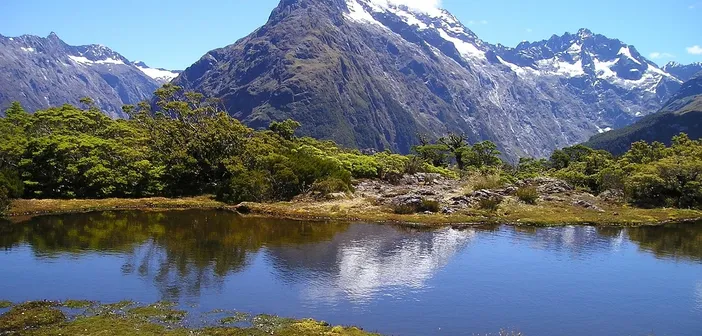
Population
India vs New Zealand are vastly different in terms of population size and density.
India is the most populous country in the world as of 2023, with a population of over 1.3 billion people. In contrast, New Zealand’s population is relatively small, with just over 5 million people.
In terms of fertility rates, India has a higher fertility rate compared to New Zealand. According to World Bank data from 2020, India’s fertility rate was 2.2 births per woman, while New Zealand’s fertility rate was 1.6 births per woman. This means that, on average, women in India have more children than women in New Zealand.
When it comes to population density, India is much more densely populated than New Zealand. India has a population density of approximately 464 people per square kilometer, while New Zealand has a population density of only 18 people per square kilometer.
Overall, India and New Zealand are very different in terms of population size, fertility rates, and population density. India has a much larger population, a higher fertility rate, and is much more densely populated than New Zealand.
Geography
India vs New Zealand are two countries that are very different in terms of geography.
India is a large country located in South Asia, with a total land area of approximately 3.29 million square kilometers. It is bordered by the Indian Ocean to the south, the Bay of Bengal to the east, and the Arabian Sea to the west.
India is also home to several mountain ranges, including the Himalayas in the north and the Western Ghats and Eastern Ghats in the south. The country is also home to several major rivers, including the Ganges and the Brahmaputra.
In contrast, New Zealand is a small island country located in the southwestern Pacific Ocean. It consists of two main islands, the North Island and the South Island, as well as several smaller islands.
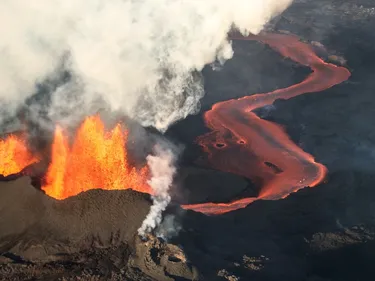
The total land area of New Zealand is approximately 268,000 square kilometers. The country is characterized by its rugged terrain, including mountains, volcanoes, and rolling hills. It is also known for its beautiful coastline and many fjords.
Overall, India and New Zealand are very different in terms of geography. India is a large country with diverse geography, including mountains, deserts, and coastal regions. New Zealand, on the other hand, is a small island country with a rugged terrain and beautiful coastline.
Economy
India vs New Zealand have different types of economies, with India having a larger economy in terms of GDP while New Zealand has a higher GDP per capita.
India has one of the largest and fastest-growing economies in the world, with a nominal GDP of approximately USD 3.1 trillion in 2021. The country has a highly diversified economy, with sectors such as agriculture, manufacturing, and services contributing to its GDP. India is also the world’s largest producer of milk, spices, and pulses.
New Zealand, in contrast, has a smaller economy, with a nominal GDP of approximately USD 200 billion in 2021. The country’s economy is heavily reliant on agriculture and tourism, which together account for a significant portion of the country’s exports. New Zealand is the world’s largest exporter of dairy products and also exports meat, wool, and wine.
When it comes to GDP per capita, New Zealand has a higher GDP per capita than India. In 2021, New Zealand’s GDP per capita was approximately USD 41,800, while India’s GDP per capita was approximately USD 2,200. This means that, on average, each person in New Zealand has a higher income than each person in India.
Overall, India and New Zealand have different types of economies, with India having a larger and more diversified economy, while New Zealand’s economy is heavily reliant on agriculture and tourism. New Zealand has a higher GDP per capita than India, meaning that, on average, each person in New Zealand has a higher income than each person in India.
Politics
India vs New Zealand have different political systems and ways of governing.
India is a federal parliamentary democratic republic, with a president as the head of state and a prime minister as the head of government. India has a multi-party political system, with the Bharatiya Janata Party (BJP) currently in power.
The Indian Constitution provides for a separation of powers between the executive, legislative, and judicial branches of government. India is also divided into 28 states and 8 union territories, each with its own government.
New Zealand, on the other hand, is a unitary parliamentary constitutional monarchy, with the British monarch as the formal head of state and a prime minister as the head of government. New Zealand has a unicameral parliament, known as the House of Representatives, which is made up of 120 members of parliament.
The political system in New Zealand is based on the Westminster system, with the executive branch of government being accountable to the legislative branch. New Zealand is divided into 16 regions and 1 territory, each with its own government.
Overall, India and New Zealand have different political systems and ways of governing. India is a federal parliamentary democratic republic, with a multi-party political system and a separation of powers between the executive, legislative, and judicial branches of government.
New Zealand is a unitary parliamentary constitutional monarchy, with a unicameral parliament and a political system based on the Westminster system.
Culture
India vs New Zealand are two very different countries with distinct cultures and ways of life.
India is a diverse country with a rich and ancient culture, shaped by its long and complex history. The culture of India is characterized by its diversity, with each region of the country having its own unique traditions, cuisine, and festivals.
Hinduism is the dominant religion in India, although the country is also home to significant Muslim, Sikh, Christian, and Buddhist populations. Family and community are highly valued in Indian culture, with extended families often living together and taking care of each other.
New Zealand, on the other hand, is a multicultural country with a diverse population, shaped by its colonial history and the influence of its indigenous Maori culture. The culture of New Zealand is characterized by its relaxed and informal nature, with a strong emphasis on outdoor activities and sports.
New Zealanders are known for their friendly and laid-back nature, and the country is often described as a “kiwi” culture. Christianity is the dominant religion in New Zealand, although the country is also home to significant Muslim, Hindu, Sikh, and Buddhist populations.
In terms of food, India and New Zealand have very different cuisines. Indian cuisine is known for its rich and spicy flavors, with dishes such as curry, biryani, and samosas being popular. New Zealand cuisine, on the other hand, is characterized by its fresh and simple flavors, with dishes such as fish and chips, pavlova, and meat pies being popular.
Overall, India and New Zealand have very different cultures and ways of life, shaped by their unique histories and traditions. India is a diverse country with a rich and ancient culture, while New Zealand is a multicultural country with a relaxed and informal culture.
Cuisine
India vs New Zealand have very different cuisines and popular foods, reflecting their distinct cultural and geographic backgrounds.
Indian cuisine is known for its rich and spicy flavors, with a wide variety of vegetarian and non-vegetarian dishes. Some of the most popular dishes in India include biryani, curry, tandoori chicken, samosas, dosa, idli, and naan.
Indian cuisine uses a wide variety of spices and herbs, including cumin, coriander, turmeric, ginger, and chili powder. Many Indian dishes are also served with rice or bread, such as roti, naan, or paratha.
New Zealand cuisine, on the other hand, is characterized by its fresh and simple flavors, with a focus on using local ingredients. Some of the most popular dishes in New Zealand include fish and chips, meat pies, pavlova, lamb roast, and kiwi burger.
New Zealand cuisine also includes a variety of seafood, such as crayfish, oysters, and green-lipped mussels. In addition, New Zealand is known for its wine industry, with Sauvignon Blanc being a particularly popular varietal.
While Indian cuisine tends to be spicy and rich in flavor, New Zealand cuisine is known for its fresh and simple flavors. Indian cuisine often uses a variety of spices and herbs, while New Zealand cuisine focuses on using local ingredients. Both cuisines have unique flavors and dishes that are popular within their respective countries.
Sports
India vs New Zealand have different sporting cultures, but both countries have achieved success in various sports.
Cricket is the most popular sport in India, with the Indian national cricket team being a major force in international cricket. India has won the Cricket World Cup twice and has produced many legendary cricketers such as Sachin Tendulkar, Virat Kohli, and MS Dhoni. In addition to cricket, field hockey is also a popular sport in India, with the Indian national hockey team winning eight Olympic gold medals.
In New Zealand, rugby union is the most popular sport, with the New Zealand national rugby team, the All Blacks, being one of the most successful teams in international rugby. New Zealand has won the Rugby World Cup three times and has produced many legendary rugby players such as Richie McCaw, Dan Carter, and Jonah Lomu.
In addition to rugby, netball is also a popular sport in New Zealand, with the New Zealand national netball team being one of the top teams in international netball.
Both India and New Zealand have also had success in other sports. India has produced top-level athletes in sports such as badminton, tennis, and boxing, while New Zealand has produced top-level athletes in sports such as athletics, rowing, and sailing.
Overall, India and New Zealand have different sporting cultures, but both countries have achieved success in various sports. Cricket and field hockey are popular in India, while rugby and netball are popular in New Zealand. Both countries have produced top-level athletes in various sports and have achieved success at the international level.
Film & TV
India vs New Zealand have different entertainment industries and therefore have different popular TV shows, movies, and celebrities.
India has one of the largest film industries in the world, commonly known as Bollywood. Bollywood produces a large number of movies every year, with a focus on music and dance. Indian movies and TV shows are known for their colorful and lively nature, and are popular not only in India, but also in many other countries with large Indian diaspora populations.
Some of the most popular Indian movies and TV shows include Baahubali, Dangal, Kabhi Khushi Kabhie Gham, Sacred Games, and Mirzapur. Indian film stars such as Shah Rukh Khan, Aamir Khan, and Priyanka Chopra are among the country’s biggest celebrities.
In contrast, New Zealand has a much smaller entertainment industry, with a focus on independent filmmaking. New Zealand movies and TV shows often showcase the country’s natural beauty and outdoor lifestyle.
Some of the most popular New Zealand movies and TV shows include The Lord of the Rings trilogy, Hunt for the Wilderpeople, Boy, and Shortland Street. New Zealand actors such as Sam Neill, Rhys Darby, and Taika Waititi are among the country’s biggest celebrities.
Religion
India vs New Zealand have different religious demographics, with India being a religiously diverse country and New Zealand having a predominantly Christian population.
In India, Hinduism is the largest religion, followed by Islam, Christianity, Sikhism, Buddhism, and Jainism. India is known for its religious diversity, and many festivals and celebrations are associated with various religions. Religious adherence varies across different regions of the country, with Hinduism being predominant in most parts of India.
In contrast, New Zealand has a predominantly Christian population, with the Anglican Church being the largest denomination followed by the Catholic Church. Other religions such as Buddhism, Hinduism, and Islam are also represented in New Zealand, but to a lesser extent.
In terms of the degree of religious adherence, India has a higher degree of religious adherence than New Zealand, given the diversity of religions and the importance of religion in the daily lives of many Indians. In New Zealand, while religion is an important part of many people’s lives, it is generally not as central to the culture as it is in India.
Overall, India and New Zealand have different religious demographics, with India being a religiously diverse country and New Zealand having a predominantly Christian population. India has a higher degree of religious adherence than New Zealand given the diversity of religions and the importance of religion in the daily lives of many Indians.

Leave a Reply