 by Webmaster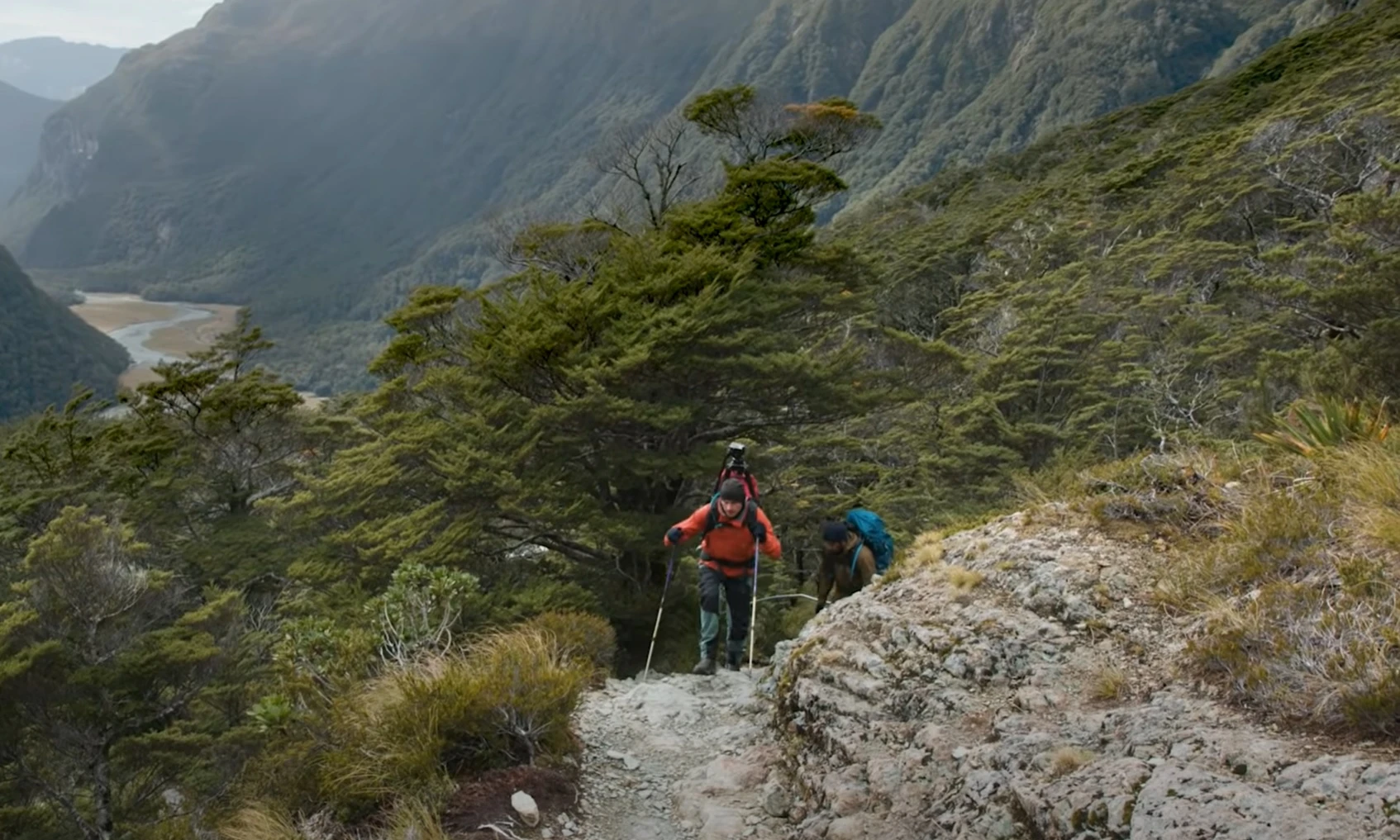
What particular state of the United States most closely resembles the landscape of New Zealand, and particularly the South Island?
New Zealand — and particularly the South Island — is known for its stunning and diverse landscapes, including mountains, glaciers, lakes, and rugged coastlines. While there may not be a single U.S. state that perfectly replicates the South Island’s terrain, there are a few states that share similarities.
One state that comes to mind is Alaska, which boasts impressive mountain ranges, glaciers, and fjords. The Kenai Fjords National Park in Alaska, for example, features rugged coastline, glaciers, and abundant marine wildlife, much like New Zealand’s Fiordland National Park.
Another state with similarities to New Zealand’s South Island is Colorado, which is known for its rugged peaks, stunning lakes, and extensive trail system. The San Juan Mountains in Colorado, for example, have steep cliffs and jagged peaks similar to the Southern Alps in New Zealand.
While no state can completely replicate the unique combination of landscapes found on New Zealand’s South Island, Alaska and Colorado are two states with notable similarities.
Elaborate more on the similarities between Kenai Fjords National Park in Alaska and Fiordland National Park in New Zealand.
Kenai Fjords National Park in Alaska and Fiordland National Park in New Zealand share several similarities in their landscapes and geological features. Both parks are home to impressive fjords and glaciers, making them popular destinations for outdoor enthusiasts and nature lovers.
Kenai Fjords National Park is located in southern Alaska and covers an area of over 1,000 square miles. The park features rugged coastline, icefields, glaciers, and abundant marine wildlife, including sea lions, otters, and whales.
The park’s highlight is the Harding Icefield, which covers over 300 square miles and feeds dozens of glaciers. The park’s fjords, such as the Resurrection Bay and the Kenai Fjords themselves, are formed by glaciers that have eroded the surrounding rock over thousands of years.
Fiordland National Park, on the other hand, is located on the southwestern coast of New Zealand’s South Island. The park covers an area of over 4,800 square miles and is characterized by its stunning fjords, waterfalls, and mountains.
Milford Sound is the park’s most famous fjord, attracting tourists from all over the world with its dramatic scenery. The park is also home to several glaciers, including the famous Franz Josef Glacier and Fox Glacier.
Both parks feature fjords that were formed by glaciers carving deep valleys into the surrounding rock. The fjords in both parks are also home to abundant marine life, such as seals and whales. The glaciers in both parks are rapidly retreating due to climate change, which is a cause of concern for scientists and park managers.
In summary, Kenai Fjords National Park in Alaska and Fiordland National Park in New Zealand share several similarities, including fjords, glaciers, and marine wildlife. Both parks offer stunning scenery and are popular destinations for outdoor enthusiasts and nature lovers.
Elaborate more on how the San Juan Mountains in Colorado compare with the Southern Alps in New Zealand.
The San Juan Mountains in Colorado and the Southern Alps in New Zealand share several similarities in their rugged mountainous terrain, alpine environments, and outdoor recreation opportunities.
The San Juan Mountains are located in southwestern Colorado and cover an area of about 10,000 square miles. The range is part of the Rocky Mountains and features several peaks over 14,000 feet, including Mount Sneffels, which is known for its iconic pyramid shape.
The mountains are characterized by steep cliffs, narrow valleys, and alpine lakes. The area is popular for hiking, backpacking, mountain biking, and skiing.
The Southern Alps in New Zealand are a much larger mountain range that stretches for over 300 miles along the South Island. The range is home to several peaks over 10,000 feet, including Mount Cook, which is the highest peak in New Zealand. The mountains are characterized by rugged terrain, glaciers, and deep valleys. The area is popular for hiking, mountaineering, skiing, and scenic flights.
Both mountain ranges offer spectacular alpine scenery, with rugged peaks, deep valleys, and alpine lakes. The San Juan Mountains and the Southern Alps are both popular destinations for outdoor enthusiasts, offering a range of activities, from hiking and backpacking to skiing and snowboarding.
One notable difference between the two mountain ranges is their climate. The San Juan Mountains have a continental climate, with cold winters and mild summers, while the Southern Alps have a maritime climate, with mild temperatures and abundant rainfall.
In summary, while the San Juan Mountains in Colorado and the Southern Alps in New Zealand share several similarities in their mountainous terrain and outdoor recreation opportunities, they also have some differences, including their climate. Both ranges offer stunning alpine scenery and are popular destinations for nature lovers and outdoor adventurers.
How do some other states such as Washington, Oregon, Idaho, and Montana compare?
Washington, Oregon, Idaho, and Montana are all states in the northwestern region of the United States that have landscapes with similarities to New Zealand’s South Island.
Washington state is known for its diverse geography, which includes mountains, forests, and coastline. The North Cascades National Park in Washington features rugged peaks, alpine lakes, and glaciers, similar to the Southern Alps in New Zealand.
The Olympic National Park in Washington also has impressive glaciers, dense forests, and rugged coastline that resemble the landscapes found in Fiordland National Park in New Zealand.
Oregon, like Washington, is known for its diverse landscapes, including mountains, forests, and coastline. The Cascade Range in Oregon is a volcanic mountain range that features several peaks over 10,000 feet, including Mount Hood and Mount Jefferson.
The mountains in Oregon offer stunning alpine scenery, with rugged peaks, glaciers, and alpine lakes, similar to the Southern Alps in New Zealand. The Oregon coast also has rugged coastlines, rocky cliffs, and marine wildlife, reminiscent of the coastline found in Kenai Fjords National Park in Alaska and Fiordland National Park in New Zealand.
Idaho is home to several mountain ranges, including the Sawtooth Range, the Bitterroot Range, and the Selkirk Range. These ranges feature rugged peaks, alpine lakes, and impressive waterfalls, similar to the landscapes found in New Zealand’s South Island.
The Frank Church-River of No Return Wilderness in Idaho also has deep valleys, rugged mountains, and abundant wildlife, similar to the landscapes found in Fiordland National Park in New Zealand.
Montana is known for its rugged terrain and expansive wilderness areas. The state is home to several mountain ranges, including the Rocky Mountains and the Bitterroot Range.
Glacier National Park in Montana features rugged peaks, glaciers, and deep valleys, similar to the landscapes found in Fiordland National Park in New Zealand. The state also has abundant wildlife, including grizzly bears and bison, which can be found in Yellowstone National Park.
In summary, Washington, Oregon, Idaho, and Montana are states in the northwestern region of the United States that have landscapes with similarities to New Zealand’s South Island. These states feature impressive mountain ranges, rugged coastlines, and abundant wildlife, making them popular destinations for outdoor enthusiasts and nature lovers.
On the opposite side, what U.S. states are the least like New Zealand in terms of its natural landscape?
While every state in the United States has its unique natural landscape and beauty, there are some states that are less like New Zealand in terms of their natural features and terrain. These states include:
I. Florida: Florida is known for its subtropical climate, sandy beaches, and flat topography. Unlike New Zealand, Florida lacks towering mountains, deep valleys, and alpine environments. The state’s natural landscape is dominated by swamps, marshes, and forests.
II. Kansas: Kansas is located in the Great Plains region of the United States, and its landscape is characterized by rolling hills and vast open grasslands. The state lacks towering mountains, deep valleys, and rugged terrain, which are prominent features of New Zealand’s South Island.
III. Texas: Texas is a large state with diverse natural landscapes, ranging from deserts to forests. However, the state lacks the alpine environments and towering mountain ranges found in New Zealand’s South Island. The state’s landscape is dominated by flat plains, rolling hills, and canyons.
IV. Iowa: Iowa is known for its fertile farmland, rolling hills, and scenic river valleys. The state lacks the dramatic coastal cliffs, glaciers, and alpine environments found in New Zealand’s South Island. Iowa’s natural landscape is dominated by agricultural fields, forests, and prairies.
V. Louisiana: Louisiana is a state located in the southern United States, and its landscape is characterized by wetlands, swamps, and forests. The state lacks the towering mountains, alpine environments, and glaciers found in New Zealand’s South Island. The natural landscape of Louisiana is dominated by flat topography, marshes, and bayous.
In summary, while each state in the United States has its unique natural beauty, some states are less like New Zealand’s South Island in terms of their natural features and terrain. States like Florida, Kansas, Texas, Iowa, and Louisiana lack the towering mountains, deep valleys, and alpine environments that are prominent features of New Zealand’s South Island.

Leave a Reply