 by Webmaster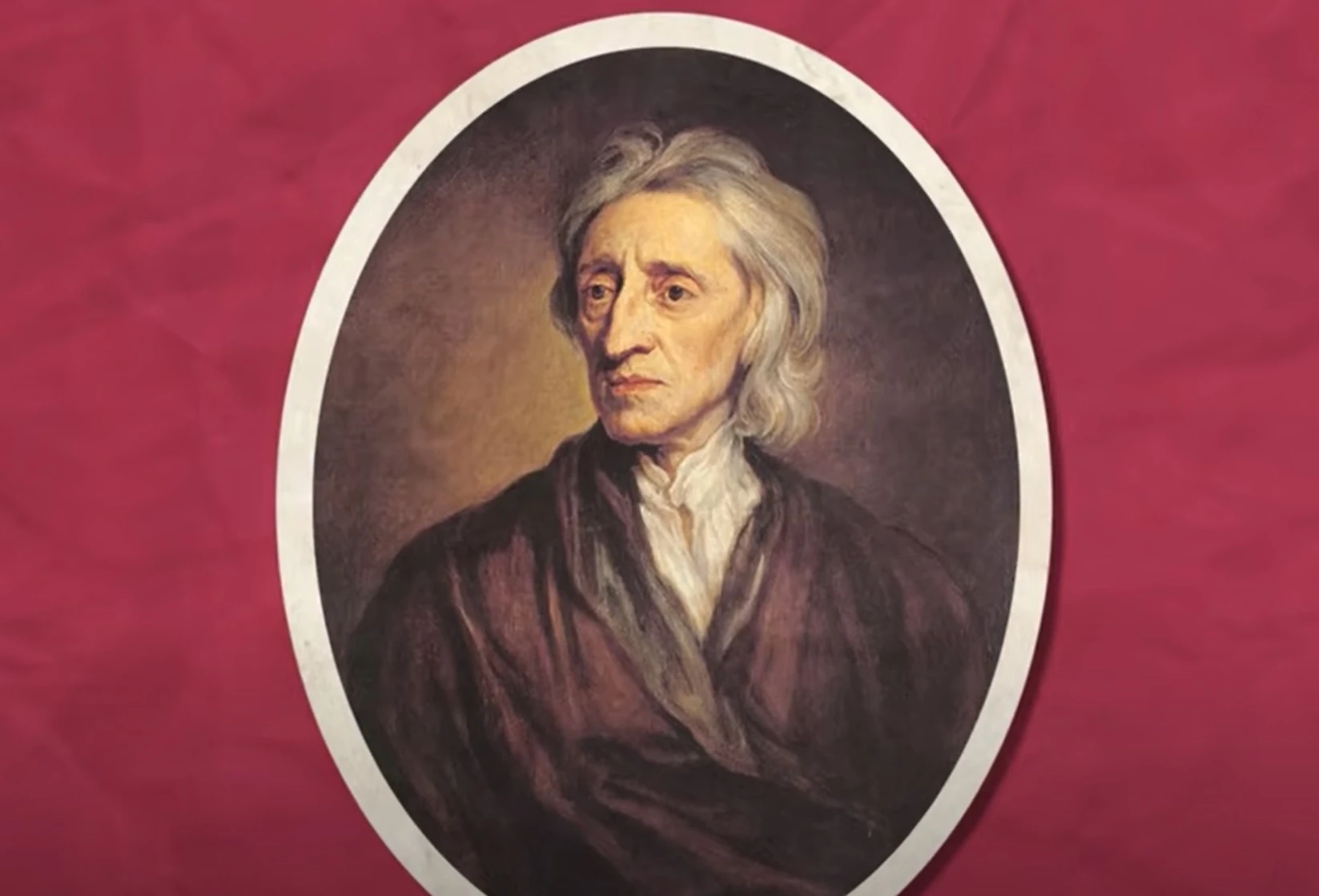
Who was John Locke and what were some of his most famous books?
John Locke was an English philosopher and physician who lived from 1632 to 1704. He is widely regarded as one of the most influential thinkers of the Enlightenment era.
Locke’s most famous works include:
I. “An Essay Concerning Human Understanding” (1689): This book is a comprehensive exploration of the nature of human knowledge and the limits of what we can know.
II. “Two Treatises of Government” (1689): This book is a seminal work on political philosophy and argues for the importance of individual rights and limited government.
III. “A Letter Concerning Toleration” (1689): This work is a plea for religious tolerance and argues that the state should not interfere in matters of conscience.
IV. “Some Thoughts Concerning Education” (1693): This book is a treatise on education and argues that education should be focused on developing reason and independent thinking.
Locke’s ideas on government, individual rights, and the limits of knowledge have had a profound impact on Western philosophy and political thought, and his works remain influential to this day.
What childhood or young adult experiences influenced John Locke’s thinking?
Regarding John Locke’s childhood and young adult experiences, it is known that he was born in 1632 in England and grew up during a time of great political and social upheaval. His father was a Puritan lawyer, and Locke himself received a solid education in classics, natural philosophy, and medicine at Christ Church, Oxford.
One of the most significant experiences that influenced Locke’s thinking was his association with the scientific revolution of the 17th century.
He was a close friend of Robert Boyle, the famous chemist and physicist, and he also corresponded with other prominent scientists of the day, such as Isaac Newton and Christiaan Huygens. This exposure to the scientific method and its emphasis on empirical observation and experiment greatly influenced Locke’s approach to philosophy and his rejection of traditional Aristotelianism.
Another important influence on Locke’s thinking was his experience working for the government. He served as a personal physician and political advisor to the first Earl of Shaftesbury, a prominent Whig politician who opposed the absolutist tendencies of the monarchy.
This experience gave Locke firsthand knowledge of the workings of government and reinforced his belief in the importance of limited government and individual liberty.
Finally, Locke’s religious beliefs also played a significant role in shaping his philosophy. He was a devout Christian and believed that reason and faith could be reconciled. His emphasis on individual conscience and religious toleration was a reflection of his belief in the importance of individual autonomy and the right to freedom of thought and expression.
Elaborate more on John Locke’s ideas on government, individual rights, and the limits of knowledge.
John Locke’s ideas on government, individual rights, and the limits of knowledge are some of his most significant contributions to Western philosophy and political thought.
On Government: Locke believed that government exists to protect the natural rights of its citizens, which include life, liberty, and property. He argued that individuals enter into a social contract with the government, giving up some of their rights in exchange for protection.
However, he also believed that if the government fails to protect these rights or becomes tyrannical, the people have the right to rebel and overthrow it.
Locke’s ideas on government were influential in the development of democratic systems, particularly in the United States, where his ideas influenced the framing of the Constitution and the Bill of Rights.
On Individual Rights: Locke believed that individuals have natural rights that are derived from their status as human beings. He argued that these rights include the right to life, liberty, and property, and that they are inherent and cannot be taken away by any government or authority.
Locke’s ideas on individual rights were a significant departure from the prevailing view of the time, which held that individuals had no inherent rights and were subject to the whims of their rulers.
On the Limits of Knowledge: Locke argued that the human mind is a blank slate, or “tabula rasa,” at birth, and that all knowledge comes from experience. He believed that knowledge is acquired through sensory experience and that the mind is capable of understanding only what it has experienced.
Locke’s ideas on the limits of knowledge were a significant departure from the prevailing view of the time, which held that knowledge was innate and could be discovered through reason alone. His ideas had a profound impact on the development of empiricism, which became a dominant philosophical approach in the centuries that followed.
Overall, John Locke’s ideas on government, individual rights, and the limits of knowledge were groundbreaking and continue to shape Western political philosophy and thought to this day.
How did John Locke influence modern government?
John Locke’s ideas have had a significant influence on modern government and political thought, particularly in the Western world. Here are a few ways in which Locke’s ideas have influenced modern government:
I. The idea of the social contract: Locke’s concept of the social contract, which states that individuals give up some of their rights in exchange for protection from the government, has been influential in the development of modern democratic systems. Many modern democracies are based on the idea that government derives its legitimacy from the consent of the governed, which is a central feature of the social contract.
II. The idea of individual rights: Locke’s belief in the importance of individual rights, including the right to life, liberty, and property, has been a cornerstone of modern democratic societies. Many modern constitutions and legal systems protect individual rights, and the concept of human rights is now recognized as a fundamental principle of international law.
III. The idea of limited government: Locke argued that government should be limited in its power and that individuals have the right to rebel against a government that becomes tyrannical. This idea has been influential in the development of modern democracies, which typically have systems of checks and balances to prevent the abuse of power by the government.
IV. The idea of religious tolerance: Locke’s belief in the importance of religious tolerance has been influential in the development of modern democratic societies, which typically protect freedom of religion as a fundamental human right.
Overall, John Locke’s ideas have had a profound impact on the development of modern government and political thought, and his influence can be seen in many of the principles and values that underpin modern democratic societies.
Which statements or quotes best characterizes the ideas of John Locke?
Here are some statements and quotes that best characterize the ideas of John Locke:
I. “Government has no other end than the preservation of property.” (Two Treatises of Government) This quote reflects Locke’s belief that the primary purpose of government is to protect the natural rights of its citizens, particularly their right to property.
II. “The end of law is not to abolish or restrain, but to preserve and enlarge freedom.” (Two Treatises of Government) This quote reflects Locke’s belief that law should be used to protect individual freedoms, rather than restrict them.
III. “All men by nature are equal in that equal right that every man hath to his natural freedom, without being subjected to the will or authority of any other man.” (Two Treatises of Government) This quote reflects Locke’s belief in the natural equality of all individuals and their inherent right to freedom.
IV. “The only fence against the world is a thorough knowledge of it.” (Essay Concerning Human Understanding) This quote reflects Locke’s belief in the importance of empirical knowledge and experience in the acquisition of knowledge.
V. “The state of nature has a law of nature to govern it, which obliges every one: and reason, which is that law, teaches all mankind, who will but consult it, that being all equal and independent, no one ought to harm another in his life, health, liberty, or possessions.” (Two Treatises of Government) This quote reflects Locke’s belief in the natural law, which he believed was derived from reason and taught that individuals had a duty to respect the natural rights of others.
Compare and contrast the ideas of John Locke and Thomas Hobbes.
John Locke and Thomas Hobbes were two prominent philosophers who lived during the 17th century and whose ideas have had a profound impact on political theory. While there are some similarities between their ideas, there are also significant differences. Here are some of the key similarities and differences between their ideas:
Similarities:
I. Both Hobbes and Locke believed that humans are born in a state of nature, where there is no government or authority to control their behavior.
II. Both philosophers believed in the social contract, which is the idea that individuals give up some of their natural rights in exchange for protection from the government.
III. Both Hobbes and Locke believed that government is necessary to maintain social order and protect the natural rights of individuals.
Differences:
I. Nature of Human Beings: Hobbes believed that humans are naturally selfish and violent and that life in the state of nature is “solitary, poor, nasty, brutish, and short.” He argued that individuals willingly enter into a social contract to escape the state of nature. In contrast, Locke believed that humans are naturally rational and peaceful and that the state of nature is a relatively peaceful and cooperative state. He argued that individuals enter into a social contract to protect their natural rights.
II. Natural Rights: Hobbes believed that individuals have no natural rights in the state of nature, and that the government has absolute power to do whatever is necessary to maintain social order. In contrast, Locke believed that individuals have natural rights, including the right to life, liberty, and property, and that the government’s role is to protect these rights.
III. Government’s Authority: Hobbes believed that the government’s authority is absolute and that individuals have no right to rebel against it. In contrast, Locke believed that individuals have the right to rebel against a government that fails to protect their natural rights.
IV. Type of Government: Hobbes believed that an absolute monarchy is the most effective form of government to maintain social order, while Locke believed in a limited government that is accountable to the people and has checks and balances to prevent the abuse of power.
Overall, while both Hobbes and Locke believed in the necessity of government to maintain social order and protect individuals, they had different ideas about the nature of human beings, the role of natural rights, the government’s authority, and the type of government that is most effective.
What famous historical figures were heavily influenced by the ideas of John Locke?
The ideas of John Locke were influential not only during his lifetime but also after his death. Many prominent historical figures were heavily influenced by his ideas. Here are a few examples:
I. Thomas Jefferson: Jefferson was one of the founding fathers of the United States and the principal author of the Declaration of Independence. He was deeply influenced by Locke’s ideas, particularly his belief in natural rights and the social contract.
II. James Madison: Madison was one of the primary authors of the United States Constitution and a key figure in the development of the American political system. He was heavily influenced by Locke’s ideas on limited government and separation of powers.
III. Voltaire: Voltaire was a French Enlightenment writer and philosopher who was influenced by Locke’s ideas on individual rights and freedoms. He incorporated these ideas into his own writings, including his defense of freedom of speech and religion.
IV. Jean-Jacques Rousseau: Rousseau was a French philosopher and political theorist who was heavily influenced by Locke’s ideas on the social contract. He expanded on these ideas in his own work, including his famous book “The Social Contract.”
V. Benjamin Franklin: Franklin was a founding father of the United States and a key figure in the American Revolution. He was influenced by Locke’s ideas on natural rights and the role of government in protecting those rights.
Overall, John Locke’s ideas had a significant impact on the development of modern political thought and influenced many prominent historical figures who played important roles in shaping the course of history.

Leave a Reply