 by Webmaster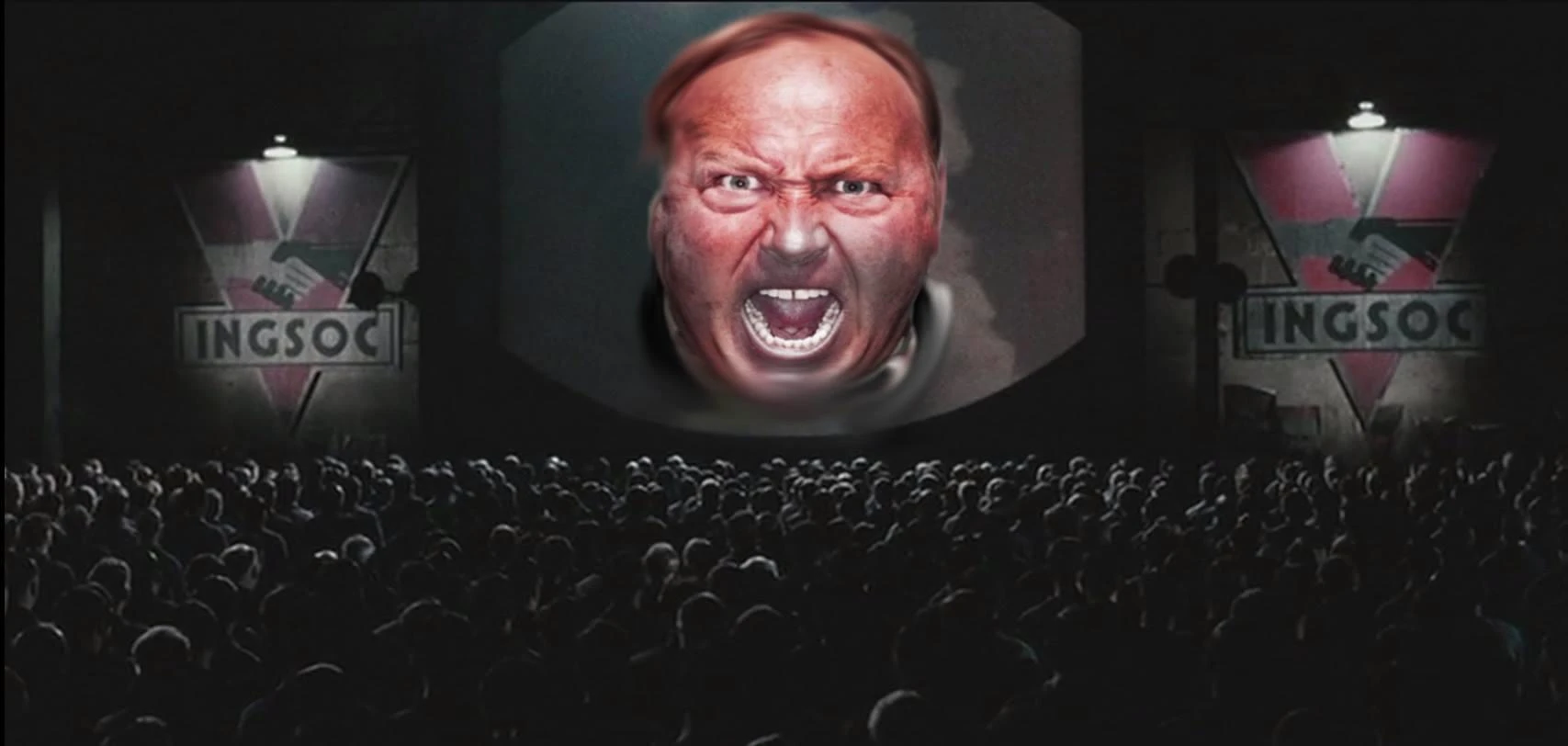
What is the “Two Minutes Hate” in the novel 1984?
The “Two Minutes Hate” is a daily ritual in the dystopian society of George Orwell’s novel “1984”. It is a propaganda tool used by the ruling Party to whip up the emotions of the population and direct their hatred towards the Party’s enemies.
During the “Two Minutes Hate,” citizens gather together in front of a large telescreen and watch a film depicting the Party’s enemies, particularly Goldstein, a former Party leader who has become a symbol of dissent and rebellion. The film is accompanied by a loud, stirring soundtrack and the Party members are expected to shout and express their hatred towards the screen.
The “Two Minutes Hate” is designed to encourage groupthink and to create a sense of unity and loyalty to the Party. It also serves to reinforce the Party’s power by reminding citizens of the dangers of dissent and the consequences of opposing the Party.
In the novel, the protagonist Winston Smith finds the “Two Minutes Hate” to be a terrifying and dehumanizing experience, but he also recognizes its effectiveness in keeping the population under the Party’s control.
Elaborate on some ways the “Two Minutes Hate” is designed to encourage groupthink.
The “Two Minutes Hate” is designed to encourage groupthink in several ways:
- Emotionally charged propaganda: The film shown during the “Two Minutes Hate” is carefully crafted to evoke strong emotions of fear, anger, and hatred towards the Party’s enemies, particularly Goldstein. The film is accompanied by a rousing soundtrack that amplifies these emotions, making it difficult for the citizens to think critically or independently.
- Peer pressure and conformity: The citizens are gathered together in a group and are expected to express their hatred towards the screen. Those who do not participate or show sufficient enthusiasm are viewed with suspicion and may face consequences. This creates a strong pressure to conform to the group’s expectations, even if one may not genuinely feel the emotions being expressed.
- Language manipulation: The slogans and language used during the “Two Minutes Hate” are carefully chosen to promote groupthink and discourage independent thought. For example, the repeated use of phrases like “Hate Week,” “Big Brother is Watching You,” and “War is Peace” serve to reinforce the Party’s control and suppress dissenting voices.
By promoting emotional reactions, conformity, and language manipulation, the “Two Minutes Hate” is a powerful tool for the Party to control the thoughts and actions of its citizens. It creates a sense of unity and loyalty to the Party while suppressing any dissenting voices or independent thought.
“Those who do not participate or show sufficient enthusiasm are viewed with suspicion and may face consequences.”
What are some examples of this “Two Minutes Hate” mentality which have occured in real life?
There have been instances of the “Two Minutes Hate” mentality or similar phenomena occurring in real life, where individuals or groups are pressured to conform to a particular viewpoint or ideology, and those who do not participate or show sufficient enthusiasm are viewed with suspicion and may face consequences. Here are a few examples:
- Maoist China’s Cultural Revolution: During the Cultural Revolution in China (1966-1976), citizens were expected to participate in public denunciations of individuals or groups who were deemed counter-revolutionary. Those who did not participate or show sufficient enthusiasm were viewed with suspicion and could face punishment or even death.
- North Korea’s Juche ideology: In North Korea, the ruling ideology of Juche emphasizes the need for absolute loyalty to the state and its leader, Kim Jong-un. Citizens are expected to participate in mass rallies and public demonstrations of loyalty, and those who do not show sufficient enthusiasm or display signs of dissent are viewed with suspicion and may face punishment.
- Cancel culture: In recent years, there have been instances of “cancel culture” in which individuals who express unpopular or controversial opinions or actions are subjected to public shaming, harassment, or even job loss. This can create a pressure to conform to popular opinion and discourage individuals from expressing dissenting views.
- Online outrage mobs: Social media platforms have provided a forum for individuals to express their opinions and reactions to various issues. However, this has also led to instances of online outrage mobs, where individuals are subjected to harassment and abuse for expressing unpopular views or opinions. This can create a pressure to conform to the prevailing views of the online community and discourage dissenting voices.
These examples illustrate how the pressure to conform to a particular viewpoint or ideology, and the stigmatization of those who do not, can create a “Two Minutes Hate” mentality in real life, leading to suppression of dissent and individual thought.
Cancel culture. There we go! Elaborate on the similarities between the Two Minutes Hate and cancel culture.
Cancel culture shares some similarities with the “Two Minutes Hate” in that both involve a form of public shaming and pressure to conform to a particular ideology or viewpoint. Here are some specific similarities:
- Groupthink: Both cancel culture and the “Two Minutes Hate” rely on the power of groupthink to suppress dissenting voices. Cancel culture often involves a large group of people online who band together to publicly shame and ostracize individuals who express views that are deemed offensive or controversial. Similarly, in the “Two Minutes Hate,” citizens are gathered together and expected to express their hatred towards the Party’s enemies in unison, creating a sense of unity and conformity.
- Emotional manipulation: Both cancel culture and the “Two Minutes Hate” rely on emotional manipulation to generate a strong reaction from individuals. Cancel culture often involves outrage and anger towards those who have expressed controversial views, while the “Two Minutes Hate” is designed to evoke fear, anger, and hatred towards the Party’s enemies. By generating strong emotions, both phenomena can suppress critical thinking and encourage conformity to prevailing opinions.
- Consequences for dissent: Both cancel culture and the “Two Minutes Hate” can have severe consequences for those who express dissenting views. In cancel culture, individuals who express controversial views may face public shaming, harassment, and even job loss. Similarly, in the “Two Minutes Hate,” citizens who do not participate or show sufficient enthusiasm are viewed with suspicion and may face consequences. This creates a pressure to conform to the prevailing views and stigmatizes dissenting voices.
While there are similarities between cancel culture and the “Two Minutes Hate,” it’s important to note that they are not identical phenomena. Cancel culture is a contemporary social phenomenon that takes place largely online, while the “Two Minutes Hate” is a fictional concept in a dystopian novel.
Nonetheless, both involve a form of public shaming and pressure to conform to prevailing opinions, which can have negative effects on individual thought and freedom of expression.
Now elaborate on the similarities between the “Two Minutes Hate” and online outrage mobs.
Online outrage mobs share several similarities with the “Two Minutes Hate” in terms of their effect on individual thought and expression. Here are some specific similarities:
- Groupthink: Like the “Two Minutes Hate,” online outrage mobs rely on the power of groupthink to suppress dissenting voices. The mobs often form around controversial topics or individuals, and their collective outrage can create a sense of unity and conformity that discourages individuals from expressing dissenting views.
- Emotional manipulation: Both online outrage mobs and the “Two Minutes Hate” rely on emotional manipulation to generate a strong reaction from individuals. Outrage mobs often use social media to generate public outrage and anger towards individuals or groups who express views that are deemed offensive or controversial. This emotional manipulation can discourage critical thinking and encourage conformity to prevailing opinions.
- Consequences for dissent: Like the “Two Minutes Hate,” online outrage mobs can have severe consequences for those who express dissenting views. Individuals who express controversial views may face public shaming, harassment, and even job loss. This creates a pressure to conform to prevailing views and stigmatizes dissenting voices.
- Social media amplification: Online outrage mobs can be amplified by social media platforms, which can quickly spread messages to a large audience. This amplification can create a sense of urgency and intensity around controversial topics, making it more difficult for individuals to express dissenting views without facing severe consequences.
While there are similarities between online outrage mobs and the “Two Minutes Hate,” it’s important to note that they are not identical phenomena. The “Two Minutes Hate” is a fictional concept in a dystopian novel, while online outrage mobs are a real-world phenomenon.
Nonetheless, both involve a form of public shaming and pressure to conform to prevailing opinions, which can have negative effects on individual thought and freedom of expression.
Was job loss the most serious consequence of the “Two Minutes Hate”? That is generally the goal of online outrage mobs and cancel culture as well.
In the novel 1984, job loss was not the most serious consequence of the “Two Minutes Hate.” Instead, the Party’s enemies were subjected to more severe consequences, including imprisonment, torture, and execution.
However, it is true that job loss is often a serious consequence of online outrage mobs and cancel culture.
When individuals express controversial views or engage in behavior that is deemed offensive or controversial, they may face public shaming, harassment, and even job loss. This is often the result of pressure from social media campaigns and public opinion, which can create a pressure on employers to distance themselves from controversial individuals in order to protect their brand reputation.
While the severity of the consequences may differ between the “Two Minutes Hate” and cancel culture, the goal is similar: to suppress dissenting voices and enforce conformity to prevailing opinions. Both can have negative effects on individual thought and freedom of expression, as they create a climate of fear and stigmatize dissenting voices.
“While the severity of the consequences may differ between the “Two Minutes Hate” and cancel culture, the goal is similar: to suppress dissenting voices and enforce conformity to prevailing opinions”.
List all the ways that the “Two Minutes Hate”, cancel culture, and online outrage mobs all work in tandem to suppress dissenting voices and enforce conformity to prevailing opinions.
Here are some ways in which the “Two Minutes Hate,” cancel culture, and online outrage mobs work in tandem to suppress dissenting voices and enforce conformity to prevailing opinions:
- Shaming and public humiliation: In all three cases, individuals who express dissenting views are often subjected to public shaming and humiliation. This can include being called out on social media, being subject to online harassment, or being publicly called out in front of their peers or coworkers.
- Pressure to conform: Individuals who express dissenting views may be subject to pressure to conform to prevailing opinions. This pressure can come from colleagues, friends, or family members, as well as from online communities and social media campaigns.
- Job loss and other consequences: In all three cases, individuals who express dissenting views may face serious consequences, including job loss, public shaming, and even physical harm.
- Suppression of free speech: In all three cases, there is a risk of suppressing free speech. When individuals are afraid to express their opinions, or when they face serious consequences for doing so, free speech can be effectively suppressed.
- Emotional manipulation: All three rely on emotional manipulation to generate a strong reaction from individuals. Outrage mobs often use social media to generate public outrage and anger towards individuals or groups who express views that are deemed offensive or controversial. This emotional manipulation can discourage critical thinking and encourage conformity to prevailing opinions.
Overall, the “Two Minutes Hate,” cancel culture, and online outrage mobs all share common tactics and goals. By suppressing dissenting voices and enforcing conformity to prevailing opinions, they can have negative effects on individual thought and freedom of expression.

Leave a Reply