 by Webmaster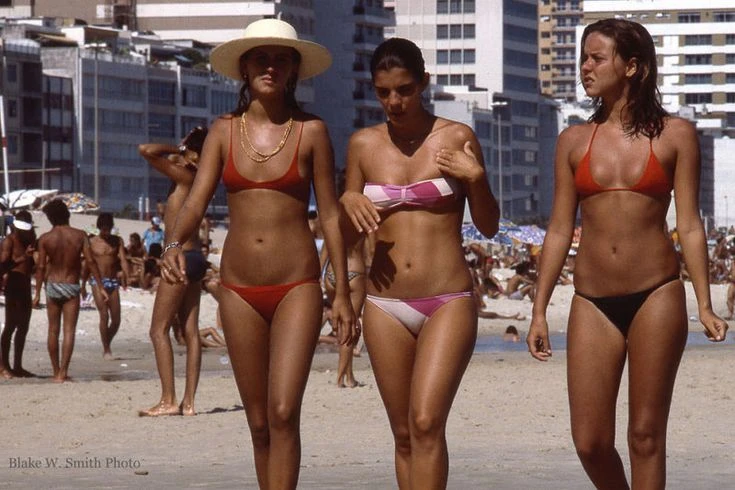
How did the thong bikini become so popular in Brazil? Arguably to a level above and beyond any other country in the world?
The thong bikini became popular in Brazil during the 1970s, when Brazilian fashion designer and entrepreneur Carlos Arthur “Dudu” Figueiredo introduced a new style of swimsuit that was smaller and more revealing than traditional designs. Figueiredo’s designs included the “tanga,” a bikini bottom with a minimal amount of fabric that exposed the wearer’s buttocks.
The tanga was an instant hit in Brazil, particularly among younger women who were looking for a more daring and fashionable alternative to traditional swimsuits. As Brazilian culture began to embrace a more liberal attitude towards sex and sexuality in the 1980s and 1990s, the popularity of the thong bikini continued to grow.
Another factor that contributed to the popularity of the thong bikini in Brazil was the country’s warm climate and beach culture. Brazilian beaches are known for their vibrant atmosphere and relaxed dress codes, which encouraged people to wear more revealing swimwear.
In recent years, the thong bikini has become a symbol of Brazilian identity and national pride. Brazilian models and celebrities such as Gisele Bundchen and Adriana Lima have helped to popularize the style on the international stage, further cementing its status as an iconic Brazilian fashion trend.
Give a brief history on Carlos Arthur “Dudu” Figueiredo.
Carlos Arthur “Dudu” Figueiredo was a Brazilian fashion designer and entrepreneur who played a significant role in the development of the Brazilian fashion industry in the 1970s and 1980s. Born in 1945 in Rio de Janeiro, Figueiredo began his career in the fashion industry as a model and stylist.
In 1971, Figueiredo founded his own fashion label, Dudu Boutique, which specialized in women’s swimwear. Figueiredo’s designs were known for their bold colors, daring cuts, and use of unconventional materials such as crochet and macramé. His signature design was the “tanga,” a bikini bottom with minimal fabric that exposed the wearer’s buttocks.
Figueiredo’s designs quickly gained popularity among younger Brazilian women, who were looking for more daring and fashionable alternatives to traditional swimwear. Figueiredo’s success helped to establish Rio de Janeiro as a major center of fashion and design, and he became known as one of Brazil’s most influential designers.
In addition to his work in the fashion industry, Figueiredo was also a prominent socialite and art collector, and his influence extended beyond the world of fashion. Figueiredo passed away in 1995, but his legacy as a pioneer of Brazilian fashion continues to be celebrated today.
What preceded the thong bikini prior to the 1970s in Brazil?
Prior to the 1970s in Brazil, swimsuits were typically conservative and covered much of the body. Women’s swimwear often consisted of one-piece swimsuits or bikinis with high-waisted bottoms that covered the navel and thighs.
However, there were some notable exceptions to this trend. In the 1940s and 1950s, Brazilian pin-up girls and actresses like Carmen Miranda and Brigitte Bardot popularized bikinis with lower-cut bottoms that exposed more of the hips and legs. These styles were considered scandalous at the time and were often criticized by the conservative Brazilian establishment.
In the 1960s, Brazilian model and actress Leila Diniz became famous for her progressive attitudes towards sex and sexuality, as well as her fashion sense. Diniz was often seen wearing bikinis with low-cut bottoms that exposed her navel and hips, which helped to popularize more revealing swimwear among young Brazilian women.
However, it was not until the 1970s that the thong bikini, as designed by Carlos Arthur “Dudu” Figueiredo, became a popular and iconic style in Brazil. Figueiredo’s tanga design was revolutionary for its minimal coverage of the buttocks, and it quickly became a symbol of Brazil’s more liberal attitudes towards fashion, sex, and body image.
Give a brief history on Leila Diniz.
Leila Diniz was a Brazilian actress and model who became a cultural icon in the 1960s and 1970s for her progressive attitudes towards sex and sexuality, as well as her fashion sense. Born in Niterói, Brazil in 1945, Diniz began her career as a model in the early 1960s and later transitioned to acting.
Diniz’s breakthrough role came in 1966 with the film “Todas as Mulheres do Mundo” (All the Women in the World), in which she played a free-spirited young woman who defies traditional gender roles and sexual mores. The film was a critical and commercial success, and Diniz quickly became one of Brazil’s most popular actresses.
Diniz was known for her unconventional fashion sense and her willingness to challenge social norms. She often appeared in public wearing bikinis with low-cut bottoms that exposed her navel and hips, which were considered scandalous at the time. She also openly discussed her sexual experiences and advocated for women’s sexual liberation, which made her a controversial figure in conservative Brazilian society.
Diniz’s life was tragically cut short in 1972 when she died in a plane crash at the age of 27. However, her legacy as a trailblazer for women’s rights and sexual freedom continues to be celebrated in Brazil and around the world. Diniz remains an iconic figure in Brazilian popular culture, and her influence can still be felt in the worlds of fashion, film, and social activism.
Was the 1970s transition to thong bikinis initially quite scandalous in Brazil? Considering how swimsuits were typically conservative and covered much of the body prior to this era?
Yes, the introduction of thong bikinis in the 1970s was initially quite scandalous in Brazil, where swimsuits had traditionally been more conservative and covered much of the body. The thong bikini, with its minimal coverage of the buttocks, was considered daring and provocative, and it sparked a great deal of controversy and debate among Brazilian society at the time.
Many conservative groups criticized the thong bikini as indecent and immoral, and some public beaches in Brazil even banned its wear. However, the thong bikini also had its advocates, especially among younger women who embraced it as a symbol of personal freedom and sexual liberation.
Over time, the thong bikini became more accepted in Brazilian society, and it helped to establish Brazil as a center of innovation in swimwear design. Today, thong bikinis are widely worn and celebrated in Brazil and around the world, and they are considered a symbol of Brazilian beach culture and fashion.
What public beaches in Brazil banned its wear for some time in the 1970s?
During the 1970s, when the thong bikini was first introduced in Brazil, several public beaches in the country banned its wear. One notable example was the beach of Copacabana in Rio de Janeiro, which was known for its conservative dress code and strict social mores at the time.
In the early 1970s, Copacabana’s beach authorities prohibited the wearing of thong bikinis and other revealing swimwear, citing concerns about public indecency and morality. The ban was met with opposition from younger beachgoers and fashion designers, who saw it as an infringement on personal freedom and an attempt to stifle Brazil’s emerging beach culture.
Over time, the ban on thong bikinis was gradually lifted, and the style became more widely accepted on Copacabana and other Brazilian beaches. Today, thong bikinis are a common sight on beaches throughout Brazil, and they are considered a symbol of the country’s liberal attitudes towards fashion and body image.
That’s interesting how Copacabana Beach initially banned its use. Because Copacabana and Ipanema beaches are now pretty much synonymous with the thong bikini.
Yes, it is quite interesting how attitudes towards the thong bikini on Copacabana Beach have evolved over time. Today, the beach is known for its liberal dress code and is a popular destination for tourists from all over the world who come to see and experience Brazil’s famous beach culture.
In fact, Copacabana and Ipanema beaches are now synonymous with the thong bikini and other revealing swimwear styles, which have become an important part of Brazil’s fashion identity and a symbol of its relaxed and carefree beach lifestyle.
The thong bikini has come to represent Brazil’s progressive attitudes towards sexuality and personal freedom, and it continues to be a popular and widely accepted style of swimwear in the country today.
Why didn’t thong bikinis reach quite the same level of popularity in Argentina, despite its proximity to Brazil?
There are several reasons why thong bikinis did not reach the same level of popularity in Argentina as they did in Brazil, despite their proximity to each other.
One possible reason is cultural differences between the two countries. Argentina has a more conservative and traditional culture compared to Brazil, which has a more liberal and relaxed attitude towards sex and sexuality. This cultural difference may have contributed to a reluctance among Argentine women to adopt thong bikinis, which were initially seen as scandalous and provocative.
Another reason could be the influence of fashion trends from other countries. Argentina has historically looked to Europe for fashion inspiration, particularly France and Italy, and may have been more influenced by trends in those countries than by Brazil’s swimwear culture.
Additionally, differences in climate and geography may have played a role. Brazil’s long coastline and warm tropical climate make it an ideal environment for beach culture, while Argentina’s coastline is shorter and its climate is cooler, which may have limited the popularity of revealing swimwear.
Finally, it’s worth noting that while thong bikinis may not be as popular in Argentina as they are in Brazil, they are still worn and accepted in some parts of the country, particularly in beach resort towns like Mar del Plata.


Leave a Reply