 by Webmaster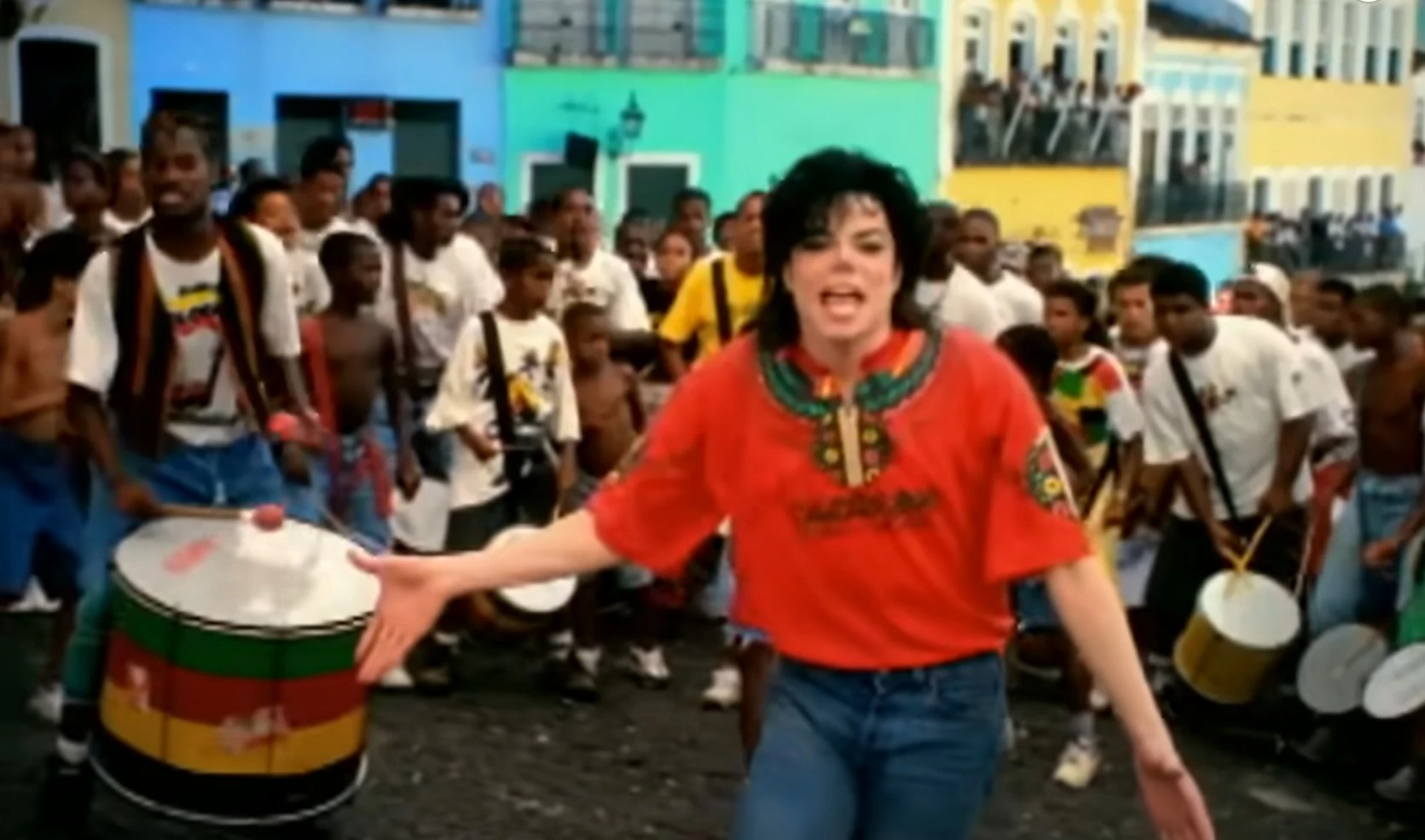
Whose the “they” in the Michael Jackson song “They Don’t Care About Us”?
In the Michael Jackson song “They Don’t Care About Us,” the “they” refers to the people and institutions that wield power and influence in society but are indifferent to the struggles and hardships faced by marginalized communities.
Throughout the song, Jackson sings about the ways in which various groups, including politicians, media outlets, and law enforcement, perpetuate inequality and oppression. The lyrics convey a message of frustration and defiance, with Jackson proclaiming that he will continue to fight for justice despite the obstacles he faces.
Who are the marginalized communities referenced in the song?
In “They Don’t Care About Us,” Michael Jackson references several marginalized communities who face discrimination and oppression.
The first verse of the song specifically mentions “Jew me, sue me, everybody do me” which is interpreted as referring to anti-Semitic attitudes and behaviors that Jewish people have historically faced. Later in the same verse, Jackson sings “Kick me, kike me, don’t you black or white me,” which suggests that he sees himself as a victim of discrimination based on both his race and religion.
The second verse refers to police brutality and the mistreatment of black people by law enforcement. Jackson sings about the unfair treatment and violence that black people face at the hands of the police.
The song can be seen as a broader commentary on social inequality and the indifference of those in power to the suffering of marginalized communities.
List some “institutions that wield power and influence in society” as referenced in the song.
In “They Don’t Care About Us,” Michael Jackson references several institutions that wield power and influence in society. Some of these include:
- Politicians: Jackson suggests that politicians are more concerned with their own interests than with the needs of the people they represent.
- Media outlets: Jackson suggests that media outlets, such as newspapers and television stations, are more concerned with sensationalism and ratings than with reporting the truth.
- Law enforcement: Jackson sings about the mistreatment of black people by the police and suggests that law enforcement is often more concerned with maintaining order than with protecting the rights of citizens.
- The prison system: Jackson references the high rates of incarceration in the United States and suggests that the prison system is more concerned with punishment than with rehabilitation.
Overall, the song is a critique of the ways in which various institutions and systems perpetuate inequality and oppression, particularly against marginalized communities.
Elaborate on media outlets.
In “They Don’t Care About Us,” Michael Jackson suggests that media outlets, such as newspapers and television stations, are more concerned with sensationalism and ratings than with reporting the truth.
Jackson’s lyrics suggest that the media is complicit in perpetuating social inequality by selectively reporting on stories that reinforce negative stereotypes about marginalized communities.
He sings “All I wanna say is that they don’t really care about us / Don’t worry what people say, we know the truth.” This suggests that the media has the power to shape public opinion, but that their coverage is often biased and unrepresentative of reality.
Furthermore, the lyrics suggest that the media is more concerned with entertainment value than with providing accurate and meaningful information.
Jackson sings “Skin head, dead head / Everybody gone bad / Situation, aggravation / Everybody allegation / In the suite, on the news / Everybody dog food / Bang bang, shot dead / Everybody’s gone mad.” These lyrics suggest that the media is more interested in sensationalizing violence and conflict than in providing thoughtful analysis or context.
Overall, Jackson’s critique of the media in “They Don’t Care About Us” suggests that media outlets have significant power and influence in shaping public opinion and perpetuating social inequality.
Elaborate on law enforcement.
In “They Don’t Care About Us,” Michael Jackson criticizes law enforcement and suggests that they are complicit in perpetuating social inequality and oppression, particularly against black communities.
Jackson’s lyrics describe the mistreatment of black people by law enforcement, including police brutality, racial profiling, and discrimination.
He sings “Beat me, hate me / You can never break me / Will me, thrill me / You can never kill me / Jew me, sue me / Everybody do me / Kick me, kike me / Don’t you black or white me.” These lyrics suggest that Jackson sees himself as a victim of discrimination based on his race and religion, and that he feels powerless against the institutionalized racism of law enforcement.
Furthermore, Jackson’s lyrics suggest that law enforcement is more concerned with maintaining order than with protecting the rights of citizens.
He sings “Tell me what has become of my life / I am the victim of police brutality, now / I’m tired of bein’ the victim of hate / You’re rapin’ me off my pride, oh for God’s sake / I look to heaven to fulfill its prophecy…set me free.” These lyrics suggest that Jackson sees the police as oppressive and corrupt, and that he feels that his rights as a citizen are being violated.
Overall, Jackson’s critique of law enforcement in “They Don’t Care About Us” highlights the ways in which the police can perpetuate social inequality and oppression, particularly against marginalized communities.
Elaborate on the prison system.
In “They Don’t Care About Us,” Michael Jackson criticizes the prison system and suggests that it is a key institution that perpetuates social inequality and oppression.
Jackson’s lyrics suggest that the prison system is more concerned with punishment than with rehabilitation.
He sings “Beat me, hate me / You can never break me / Will me, thrill me / You can never kill me / Jew me, sue me / Everybody do me / Kick me, kike me / Don’t you black or white me.” These lyrics suggest that Jackson sees himself as a victim of a punitive and oppressive system that does not prioritize the well-being of inmates.
Furthermore, Jackson’s lyrics suggest that the prison system disproportionately affects marginalized communities.
He sings “I’m tired of being the victim of shame / They’re throwing me in a class with a bad name / I can’t believe this is the land from which I came.” These lyrics suggest that Jackson sees the prison system as being particularly harmful to black people, who are often overrepresented in the criminal justice system.
Overall, Jackson’s critique of the prison system in “They Don’t Care About Us” highlights the ways in which the system can perpetuate social inequality and oppression, particularly against marginalized communities. The lyrics suggest that the prison system is a key institution that must be reformed in order to achieve social justice.
Is the “they” in the song possibly a dog whistle to refer to White people by proxy?
It is possible that some people interpret the “they” in the song “They Don’t Care About Us” as a dog whistle to refer to white people by proxy, although it is important to note that this is a controversial interpretation and not universally accepted.
The lyrics of the song do not explicitly identify a specific group or ethnicity as the “they” in question, and it is therefore open to interpretation.
However, given the historical context in which the song was released (in the 1990s, during a period of racial tension and social unrest in the United States), it is understandable why some people might interpret the lyrics as being critical of white people or white-dominated institutions.
That being said, it is important to note that Michael Jackson himself did not confirm or deny this interpretation of the song, and different people may have different interpretations of the lyrics based on their own perspectives and experiences. Ultimately, the meaning of the song is complex and multi-layered, and it is up to individual listeners to interpret the lyrics in their own way.

Leave a Reply