 by Webmaster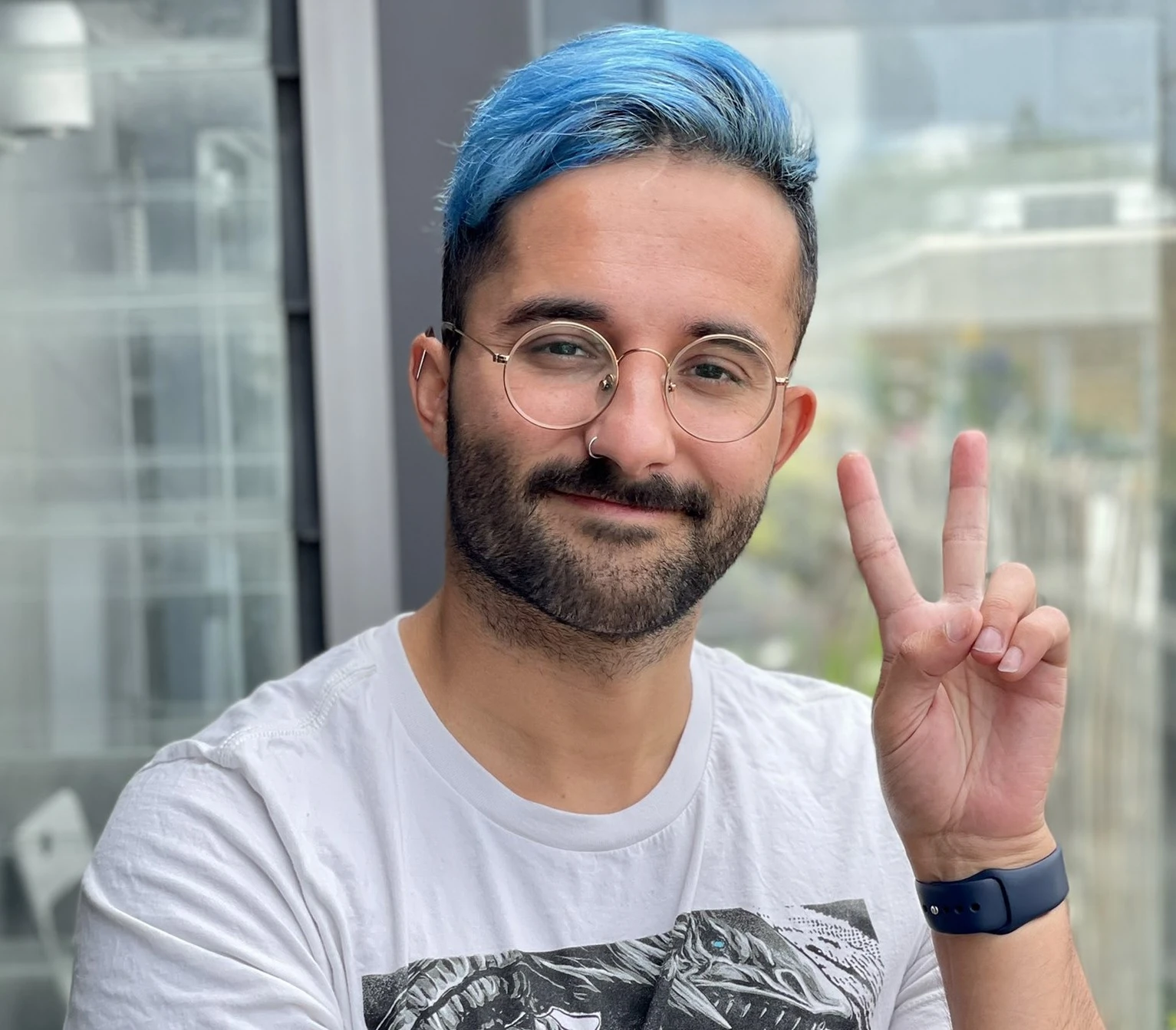
When did blue, pink, or other cotton candy hair colors become popular for leftists?
It is difficult to pinpoint an exact time when blue, pink, or other cotton candy hair colors became popular for leftists, as fashion trends and individual style choices are constantly evolving and vary across different regions and communities.
However, colorful hair dye and alternative fashion have long been associated with counterculture and subversive movements, including punk and goth cultures, which have a history of embracing non-conformity and rejecting mainstream societal norms.
In recent years, vibrant hair colors and alternative fashion have gained wider acceptance and mainstream popularity, with many celebrities and influencers sporting colorful hairstyles and bold fashion choices.
Additionally, the internet and social media have facilitated the spread of alternative fashion and subcultural trends, allowing individuals to connect with like-minded communities and share their personal style choices.
As for the connection between colorful hair and leftists, it is possible that some individuals on the political left may choose to express themselves through alternative fashion choices, including brightly colored hair. However, it is important to note that fashion choices are personal and individual, and should not be used to make assumptions about one’s political beliefs or affiliations.
Is there any data on a set of transition years in the 21st century when this hair color shift became more obvious?
I’m not aware of any specific data or research that identifies a set of transition years in the 21st century when colorful hair became more popular among leftists or countercultural groups. It is important to note that trends in fashion and personal style are often difficult to track and quantify, as they are influenced by a variety of factors, including individual tastes, cultural movements, and media representation.
However, it is worth noting that in recent years, colorful hair and alternative fashion have gained increased visibility and acceptance in mainstream culture. This may be due in part to the growing influence of social media and the ability of individuals to connect with like-minded communities and share their personal style choices with a wider audience.
Additionally, there have been several high-profile instances of political activists and candidates sporting colorful hair, such as Alexandria Ocasio-Cortez, who is known for her bright red locks. These instances may contribute to the perception that colorful hair is associated with left-leaning politics or activism.
Overall, while it is difficult to pinpoint a specific transition period, it is clear that colorful hair and alternative fashion have become more visible and accepted in recent years, with a growing number of individuals choosing to express themselves through their personal style choices.
List a number of cultural movements and media representations which may have led to this “color shift”.
There are a number of cultural movements and media representations that may have contributed to the popularity of colorful hair and alternative fashion in recent years. Here are a few examples:
- Punk and goth subcultures: These countercultural movements have a history of embracing non-conformity and rejecting mainstream societal norms, often expressed through alternative fashion choices such as colorful hair and dramatic makeup.
- Cosplay and anime fandom: Cosplay and anime fandom have gained widespread popularity in recent years, with fans often expressing their love of the genre through colorful costumes and hair styles.
- Social media and influencer culture: The rise of social media has enabled individuals to connect with like-minded communities and share their personal style choices with a wider audience, leading to the spread of alternative fashion trends and subcultural influences.
- Pop culture icons: Celebrities and influencers, such as Billie Eilish and Hayley Williams, have popularized colorful hair and alternative fashion in the mainstream media, making it more accessible and acceptable for a wider audience.
- Political activism: In recent years, there have been several high-profile instances of political activists and candidates sporting colorful hair, such as Alexandria Ocasio-Cortez, contributing to the perception that colorful hair is associated with left-leaning politics or activism.
- Body positivity and self-expression: As society becomes more accepting of diverse body types and personal expressions, individuals may feel more empowered to experiment with alternative fashion choices, including colorful hair.
Elaborate more on pop culture icons and their influence on non-natural hair colors.
Pop culture icons, such as musicians, actors, and influencers, have had a significant influence on the popularity of non-natural hair colors, including pastel shades like pink, blue, and purple. These icons have used their platform to express their individuality and creativity through their hair and fashion choices, inspiring others to do the same.
One of the most notable examples is Hayley Williams, lead singer of the band Paramore, who has been known for her brightly colored hair for many years. Williams has been open about using her hair as a form of self-expression and creativity, and her influence has helped to popularize non-natural hair colors among her fans and followers.
Other pop culture icons who have embraced non-natural hair colors include Billie Eilish, who has worn neon green and other bright hues, as well as Nicki Minaj, Lady Gaga, and Katy Perry, who have all experimented with bold and unusual hair colors and styles.
The influence of pop culture icons on non-natural hair colors is not limited to celebrities. Social media influencers and bloggers have also contributed to the trend, using their platforms to showcase their own colorful hair and inspire others to try out the look for themselves.
Overall, pop culture icons have played a significant role in making non-natural hair colors more mainstream and accessible, encouraging individuals to use their hair as a form of self-expression and creativity.
Elaborate more on political activism. There definitely seems to be a strong correlation with blue, pink, or other non-natural hair colors at many leftist activist rallies. Including among Antifa members.
There has been a noticeable trend of individuals with blue, pink, or other non-natural hair colors participating in leftist political activism in recent years. This trend is particularly evident at rallies and protests, where activists may use their hair color and other forms of alternative fashion as a way to express their political beliefs and affiliations.
One example of this is the use of colorful hair by members of Antifa, a loosely affiliated group of left-wing activists who often engage in direct action and protest against far-right and white supremacist groups. Some Antifa members have been known to wear distinctive black clothing and masks, often paired with brightly colored hair and other alternative fashion choices.
It is worth noting, however, that colorful hair and alternative fashion are not exclusive to left-wing or activist circles. Individuals of all political affiliations and backgrounds may choose to express themselves through their personal style choices, and it is important not to make assumptions about an individual’s political beliefs based on their appearance.
That being said, the use of colorful hair and alternative fashion in leftist political activism may be seen as a form of resistance against societal norms and expectations, expressing a rejection of the status quo and a desire for social change. It may also serve as a way to signal solidarity and community among like-minded individuals.
Overall, while colorful hair and alternative fashion are not unique to leftist activism, their presence in these circles may be seen as a way for individuals to express their political beliefs and engage in collective action.
Elaborate more on cosplay and the anime subculture in regards to the wide variety of hair colors seen in society now.
The cosplay and anime subculture has had a significant impact on the popularity of non-natural hair colors in recent years. In anime and manga, characters often have brightly colored and unconventional hair colors, such as blue, pink, purple, and green. As a result, cosplayers may choose to dye their hair to match their favorite characters and create a more accurate representation of their cosplay.
This trend has led to an increase in the popularity of non-natural hair colors among young people, especially those who are involved in cosplay and the anime subculture. Many cosplayers see their hair as an extension of their cosplay, and may spend a significant amount of time and effort styling and coloring their hair to achieve the perfect look.
The popularity of non-natural hair colors in the cosplay and anime subculture may also be seen as a form of self-expression and individuality. Many young people are drawn to anime and cosplay because it allows them to explore their creativity and express themselves in unique ways. Non-natural hair colors are just one aspect of this self-expression, and may be seen as a way to stand out and make a statement.
Overall, the cosplay and anime subculture has played a significant role in the popularity of non-natural hair colors in society today. By showcasing unconventional hair colors on their characters, anime and manga have helped to break down traditional beauty norms and encourage young people to express themselves in new and creative ways.
In conclusion, did the 2000s or 2010s see a far greater increase in these hair colors?
The trend of non-natural hair colors has been on the rise since the early 2000s and has continued to gain popularity throughout the 2010s. However, it is difficult to determine if one decade saw a far greater increase in these hair colors compared to the other.
Non-natural hair colors have been a part of popular culture for decades, but the trend has become more widespread in recent years. The popularity of anime and cosplay, as well as the influence of pop culture icons and social media, have all contributed to the rise of non-natural hair colors.
While it is difficult to determine which decade saw a greater increase in these hair colors, it is clear that the trend has continued to grow and evolve over time. As society becomes more accepting of unconventional beauty standards and individuality, it is likely that non-natural hair colors will continue to be a popular choice for young people and those looking to express their creativity and individuality.

Leave a Reply