 by Webmaster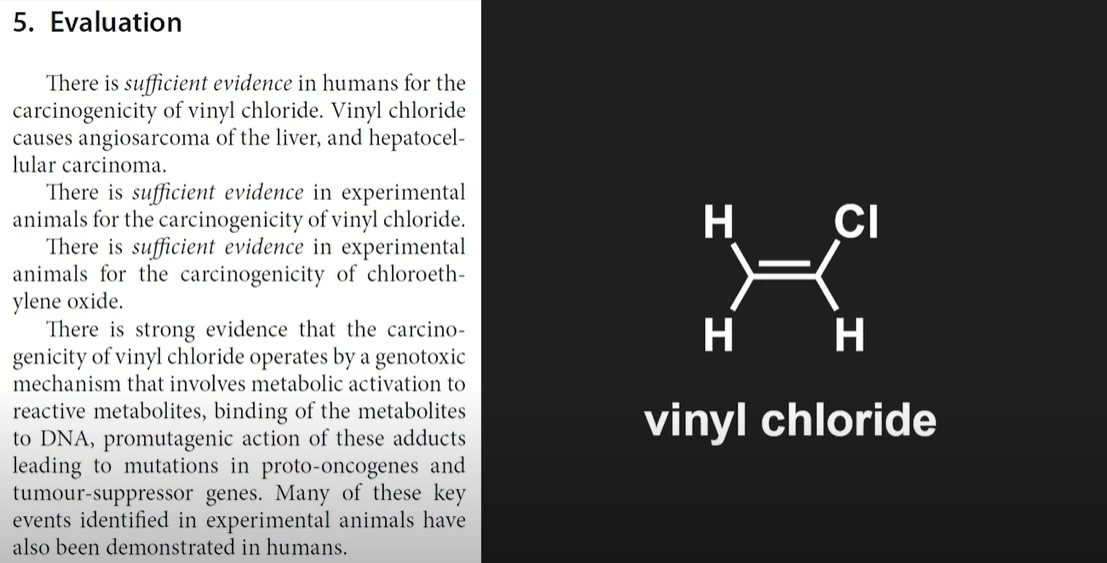
What is vinyl chloride gas and what are its dangers to humans?
Vinyl chloride is a colorless, flammable gas with a mildly sweet odor. It is used primarily to make polyvinyl chloride (PVC), a versatile plastic that is used in a wide variety of products such as pipes, wire coatings, automotive parts, and medical devices.
Exposure to vinyl chloride gas can be dangerous to human health. Short-term exposure to high levels of vinyl chloride can cause dizziness, headache, nausea, vomiting, and drowsiness. It can also irritate the eyes, skin, and respiratory system.
Long-term exposure to vinyl chloride is more serious and can increase the risk of several health problems, including liver damage, central nervous system effects, and a rare form of liver cancer called angiosarcoma of the liver. The International Agency for Research on Cancer (IARC) has classified vinyl chloride as a human carcinogen.
Workers in industries where vinyl chloride is used or produced, such as the PVC industry, are most at risk of exposure. The use and production of vinyl chloride are regulated to reduce the risks of exposure and protect workers and the environment.
What is phosgene and what are its dangers to humans?
Phosgene is a colorless gas that has a sharp, choking odor. It was used as a chemical weapon during World War I, and is now used primarily in the manufacture of industrial chemicals such as pesticides, plastics, and dyes.
Exposure to phosgene gas can be extremely dangerous to human health. It is highly toxic and can cause severe respiratory distress, including coughing, chest pain, and difficulty breathing. Phosgene can also cause fluid to build up in the lungs, which can lead to pneumonia and even death.
Symptoms of exposure to phosgene may not appear until several hours after exposure, and can include dizziness, nausea, and vomiting. In severe cases, phosgene exposure can cause acute lung injury, which can lead to permanent lung damage and chronic respiratory problems.
Workers who handle or manufacture phosgene and people who live near facilities where it is produced or stored are most at risk of exposure. The use and production of phosgene are strictly regulated to reduce the risk of exposure and protect workers and the public from its dangers. Emergency response plans are also in place to quickly contain any accidental releases.
What is hydrogen chloride and what are its dangers to humans?
Hydrogen chloride is a colorless gas with a pungent odor. It is highly soluble in water and is commonly used in the production of a wide range of chemicals, such as PVC plastics, solvents, and pharmaceuticals. Hydrogen chloride can also be formed when hydrochloric acid reacts with certain metals.
Exposure to hydrogen chloride gas can be hazardous to human health. It is highly irritating to the eyes, skin, and respiratory system. Inhalation of high levels of hydrogen chloride can cause coughing, wheezing, shortness of breath, and chest pain. Long-term exposure to lower levels of hydrogen chloride can lead to chronic respiratory problems.
Hydrogen chloride can also cause chemical burns if it comes into contact with the skin or eyes. In addition, hydrogen chloride gas can react with water in the body to form hydrochloric acid, which can cause severe tissue damage and even death.
Workers who handle or manufacture hydrogen chloride and people who live near facilities where it is produced or stored are most at risk of exposure. The use and production of hydrogen chloride are strictly regulated to reduce the risk of exposure and protect workers and the public from its dangers. Emergency response plans are also in place to quickly contain any accidental releases.
What is butyl acrylate and what are its dangers to humans?
Butyl acrylate is a clear, colorless liquid with a fruity odor. It is used in the production of a wide range of products, such as adhesives, paints, and coatings.
Exposure to butyl acrylate can be hazardous to human health. It can cause skin and eye irritation, and inhalation of butyl acrylate vapor can cause irritation of the nose and throat. Prolonged or repeated exposure to butyl acrylate may also cause sensitization of the skin, which can lead to an allergic reaction.
In addition, butyl acrylate is flammable and can pose a fire hazard if it is not handled properly. Workers who handle or manufacture butyl acrylate are most at risk of exposure.
The use and production of butyl acrylate are strictly regulated to reduce the risk of exposure and protect workers and the public from its dangers.
Safety precautions such as wearing protective equipment, ensuring proper ventilation, and using appropriate handling and storage procedures are important in preventing exposure. Emergency response plans are also in place to quickly contain any accidental releases.
What is ‘ethylene glycol monobutyl ether acetate’ and what are its dangers to humans?
Ethylene glycol monobutyl ether acetate (also known as 2-butoxyethyl acetate) is a colorless liquid with a sweet, ether-like odor. It is used primarily as a solvent in the production of coatings, inks, and adhesives.
Exposure to ethylene glycol monobutyl ether acetate can be hazardous to human health. It is a skin and eye irritant and can cause irritation of the nose and throat if inhaled. Prolonged or repeated exposure can cause headaches, dizziness, and nausea.
In addition, ethylene glycol monobutyl ether acetate is flammable and can pose a fire hazard if it is not handled properly. Workers who handle or manufacture ethylene glycol monobutyl ether acetate are most at risk of exposure.
The use and production of ethylene glycol monobutyl ether acetate are strictly regulated to reduce the risk of exposure and protect workers and the public from its dangers.
Safety precautions such as wearing protective equipment, ensuring proper ventilation, and using appropriate handling and storage procedures are important in preventing exposure. Emergency response plans are also in place to quickly contain any accidental releases.
What consequences could feasibly happen if these five substances were accidentally released into the environment via a train derailment?
The consequences of an accidental release of any of the five substances you mentioned – vinyl chloride gas, phosgene, hydrogen chloride, butyl acrylate, and ethylene glycol monobutyl ether acetate – would depend on several factors, including the quantity of the substance released, the location of the release, the weather conditions, and the vulnerability of the population in the affected area.
Here are some potential consequences that could feasibly happen if these substances were accidentally released into the environment via a train derailment:
- Vinyl chloride gas: If released in large quantities, vinyl chloride gas can cause acute respiratory problems, liver damage, and cancer. It is also flammable, which can lead to fire and explosion. If the release occurs in a densely populated area, people could be exposed to high levels of the gas, leading to acute health effects, while prolonged exposure could lead to chronic health effects such as cancer.
- Phosgene: Phosgene is a highly toxic gas that can cause severe respiratory distress and acute lung injury. In the event of an accidental release, people in the affected area could experience symptoms such as coughing, chest pain, and difficulty breathing. Severe exposure could lead to permanent lung damage and chronic respiratory problems.
- Hydrogen chloride: Hydrogen chloride is highly irritating to the eyes, skin, and respiratory system. If released into the environment, it can cause acute health effects such as coughing, wheezing, and shortness of breath. Long-term exposure to lower levels of hydrogen chloride can lead to chronic respiratory problems.
- Butyl acrylate: Butyl acrylate can cause skin and eye irritation, and prolonged or repeated exposure can lead to sensitization of the skin, which can cause an allergic reaction. If released in large quantities, it could pose a potential hazard to the environment and surrounding community.
- Ethylene glycol monobutyl ether acetate: Ethylene glycol monobutyl ether acetate is a skin and eye irritant and can cause headaches, dizziness, and nausea if inhaled. It is also flammable and can pose a fire hazard. If released in large quantities, it could pose a potential hazard to the environment and surrounding community.
In the event of a train derailment, it is important to have emergency response plans in place to quickly contain any accidental releases and to protect workers and the public from the hazards posed by these substances.
What would happen if any of these substances were released into the Ohio river?
If any of the substances you mentioned – vinyl chloride gas, phosgene, hydrogen chloride, butyl acrylate, and ethylene glycol monobutyl ether acetate – were accidentally released into the Ohio River, it could have significant environmental and public health consequences.
The specific consequences would depend on the quantity of the substance released, its chemical properties, and the location and duration of the release.
Some potential consequences of a release of any of these substances into the Ohio River could include:
- Environmental damage: These substances could cause harm to aquatic life in the river and have a negative impact on the ecosystem. Some of these substances may also persist in the environment and continue to cause harm long after the initial release.
- Public health effects: The Ohio River is a source of drinking water for millions of people, so a release of any of these substances could pose a significant risk to public health. Depending on the substance and the level of exposure, people who come into contact with contaminated water or breathe in contaminated air could experience a range of health effects, including respiratory problems, skin irritation, headaches, and in some cases, long-term chronic health effects.
- Economic impact: A release of any of these substances could have a significant impact on local industries, such as fishing and tourism. The costs of cleanup and remediation efforts could also be significant.
To minimize the risk of a release of hazardous substances into the Ohio River, regulatory agencies and industries have implemented measures to prevent accidents and respond quickly in the event of a spill.
These measures include regulations and guidelines for the transportation, storage, and handling of hazardous substances, as well as emergency response plans and spill response equipment. In the event of a spill, it is important to quickly contain the spill and minimize the spread of contamination.
How long do these substances pose a hazard to people or the environment in the open air?
Here are some general guidelines for how long these substances can pose a hazard in the open air:
- Vinyl chloride gas: Vinyl chloride gas is relatively unstable and will dissipate quickly in the open air. However, it can be dangerous to people and the environment in the short term, so it is important to quickly contain any release and minimize exposure.
- Phosgene: Phosgene is a relatively stable gas that can persist in the air for several hours or even days, depending on weather conditions. It is important to quickly evacuate and isolate the affected area in the event of a release to minimize exposure.
- Hydrogen chloride: Hydrogen chloride is a relatively unstable gas that will quickly disperse in the open air. However, it can be dangerous to people and the environment in the short term, so it is important to quickly contain any release and minimize exposure.
- Butyl acrylate: Butyl acrylate is a volatile liquid that can evaporate quickly in the open air. However, if it is released in large quantities, it can pose a potential hazard to the environment and surrounding community.
- Ethylene glycol monobutyl ether acetate: Ethylene glycol monobutyl ether acetate is a volatile liquid that can evaporate quickly in the open air. However, if it is released in large quantities, it can pose a potential hazard to the environment and surrounding community.

Leave a Reply