 by Webmaster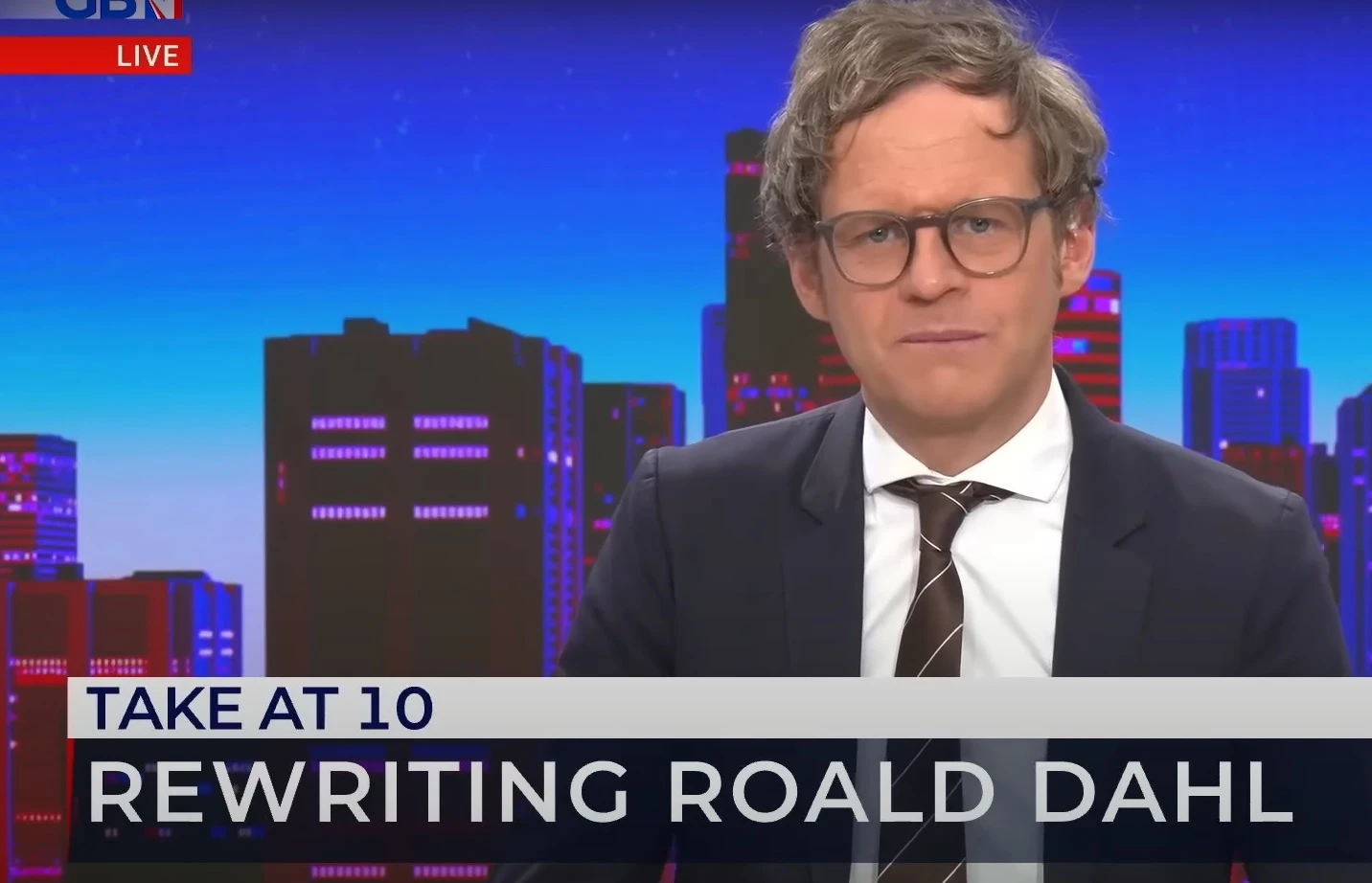
Is there a lot of controversy with Roald Dahl books?
Yes, there has been some controversy surrounding Roald Dahl and his books. While many people love his work and view it as classic children’s literature, others have raised concerns about some of the themes, language, and representations in his writings.
One of the main criticisms of Dahl’s work is that it can be sexist and/or racist. Some readers have pointed to instances in his books where female characters are portrayed in a negative light or where non-white characters are portrayed as stereotypes.
For example, in “Charlie and the Chocolate Factory,” the Oompa-Loompas are depicted as exoticized, subservient creatures from a foreign land, which some people view as problematic.
Another area of controversy has been the language used in some of Dahl’s books, particularly around the use of derogatory terms for people with disabilities.
For example, the character of Grandma in “The Witches” is described as having “a mouth like a dog’s bottom” and being “as thin as a stick.” Some people argue that this kind of language can be hurtful and damaging to children with disabilities or to people who care for them.
Despite these concerns, many readers continue to enjoy Dahl’s books and find value in them. Some argue that his stories are products of their time and should be viewed in their historical context, while others believe that the problematic elements in his work can be used as a teachable moment to spark discussions about issues of social justice and representation.
I have read that some of these books are being rewritten to remove “fat shaming” language and / or become more “inclusive” by modern standards. Isn’t this a problem and a form of Orwellian style censorship?
There has been some controversy around the rewriting of Roald Dahl’s books to remove language that some readers may find offensive or hurtful. However, it is important to note that the changes being made are generally being done with the goal of making the books more inclusive and accessible to a wider audience.
For example, in 2020, the estate of Roald Dahl announced that the author’s books would be receiving a series of updates to remove references to certain ethnicities and to change language that could be considered offensive.
Similarly, in 2021, it was reported that the book “Charlie and the Chocolate Factory” was being rewritten by the Dahl estate to remove what they referred to as “outdated cultural references.”
While some people may view these changes as a form of censorship or an attempt to sanitize the original texts, others argue that they are necessary to ensure that the books remain relevant and accessible to modern audiences.
It’s worth noting that these changes are generally being made by the estate of Roald Dahl itself, rather than by external groups or government bodies, so it can be argued that this is more a case of the estate exercising its right to control the use of its intellectual property.
Ultimately, the question of whether or not these changes are a form of censorship is a matter of interpretation. However, it is important to remember that authors and their estates have the right to control how their works are presented and updated over time, and that this is a common practice in the world of literature.
Will the original books — without the modern sanitized updates — likely be difficult to obtain in the coming years?
It is unlikely that the original, unedited versions of Roald Dahl’s books will become difficult to obtain in the coming years, as they are widely available and have been in circulation for many years.
While the Dahl estate has announced plans to update some of the language in his books to make them more inclusive, it is important to note that these changes are being made to new editions of the books, rather than to existing copies. This means that the original, unedited versions of the books will still be available to purchase and read, and are unlikely to disappear from circulation entirely.
Furthermore, many libraries and secondhand bookstores may still have older editions of the books in stock, so it should still be possible to obtain unedited versions of the books through these channels.
That being said, it is possible that in the future, the updated versions of the books may become the default versions that are widely available in stores and libraries. However, it is also likely that there will still be demand for the original, unedited versions of the books, which could help to ensure their continued availability.
Give a list of examples of the controversial passages or statements in various Roald Dahl books.
Sure, here are a few examples of some of the controversial passages or statements in various Roald Dahl books:
- “Charlie and the Chocolate Factory”: Some readers have pointed out that the character of Oompa-Loompas, who are depicted as exotic, subservient workers, can be seen as problematic. Additionally, in the original 1964 version of the book, the Oompa-Loompas were described as having “rosy-white” skin and black hair, which some people have criticized as being racially insensitive. The 1973 version of the book changed their appearance to be more racially ambiguous.
- “The Witches”: Some readers have raised concerns about the character of Grandma, who is described as being extremely thin and having a “mouth like a dog’s bottom.” Critics argue that this kind of language can be hurtful and damaging to children with eating disorders or to people who care for them.
- “James and the Giant Peach”: Some readers have criticized the character of Aunt Sponge, who is described as being extremely overweight and is depicted in a negative light. This has been seen as an example of “fat-shaming” and has led to calls for the book to be updated.
- “The Twits”: This book contains several instances of derogatory language and insults, including calling people “stupid” and “ugly.” Some readers have argued that this kind of language can be hurtful and is not appropriate for children’s literature.
It’s worth noting that opinions on these passages and statements are not universally agreed upon, and that some readers may not view them as controversial. Additionally, the Dahl estate has announced plans to update some of the language in his books to make them more inclusive, which could address some of these concerns.


Leave a Reply