 by Webmaster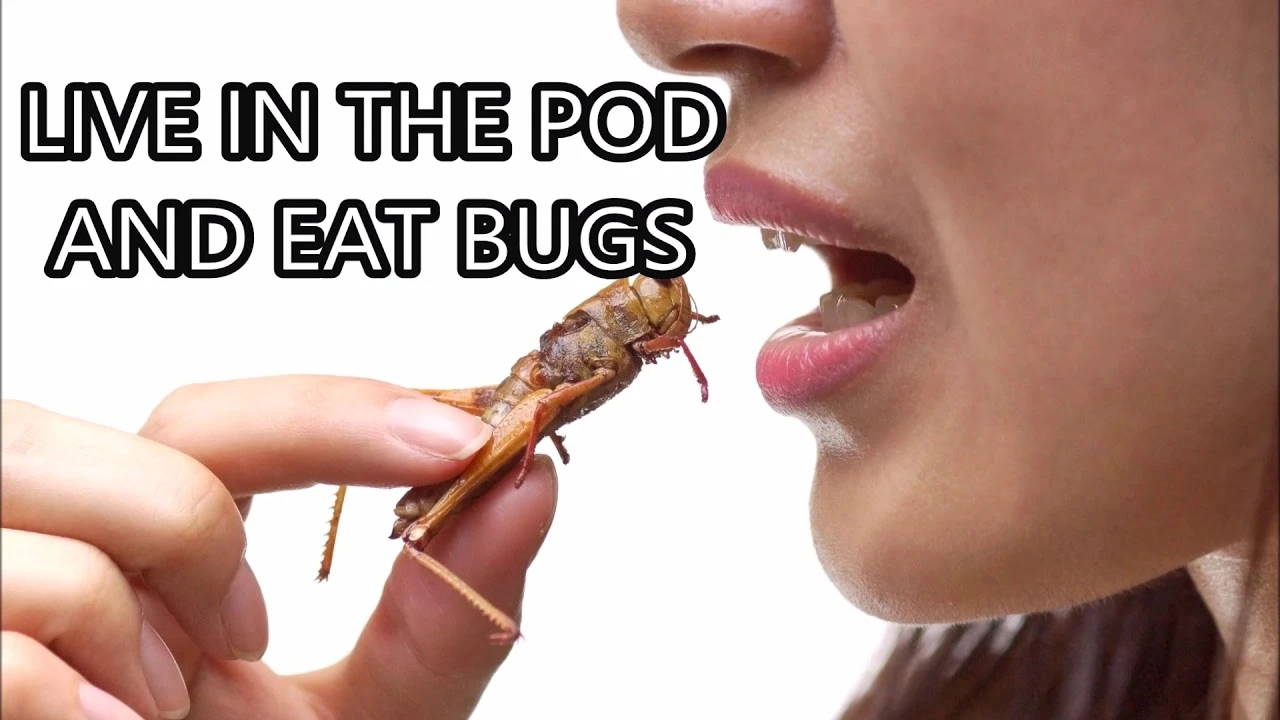
List five reasons living in pods and eating bugs is not good for future generations
Nutritional deficiencies: While bugs can provide some essential nutrients, they are generally not as nutritionally rich as a balanced diet that includes a variety of foods. Relying solely on bugs as a food source in pod living may lead to deficiencies in certain vitamins, minerals, and macronutrients, which can negatively impact the health and development of future generations.
Limited culinary diversity: A diet primarily based on bugs would lack the culinary diversity that humans have traditionally enjoyed. Food is not only a source of sustenance but also an important aspect of culture and social bonding. By restricting food choices to insects, future generations may miss out on the vast array of flavors, textures, and culinary experiences that come with a varied diet.
Environmental concerns: While bugs can be a sustainable protein source compared to traditional livestock farming, the scale required to sustain a large population solely on insects could have negative consequences for the environment. Mass-rearing insects for human consumption would still require significant resources such as water, land, and energy. Additionally, the waste generated by insect farming could pose challenges if not managed properly.
Psychological and social impact: Living in pods and consuming bugs as a primary food source may have negative psychological and social impacts on future generations. Humans have evolved to thrive in diverse and interactive environments. Restricting oneself to a confined living space and a limited diet could lead to feelings of isolation, monotony, and dissatisfaction, potentially impacting mental health and overall well-being.
Stifled technological and agricultural advancements: By focusing on a limited solution like living in pods and consuming bugs, future generations may miss out on the development of alternative technologies and agricultural practices that could address food sustainability and environmental concerns in more comprehensive and innovative ways. Relying solely on one approach may hinder progress and limit potential breakthroughs that could benefit future generations in a broader sense.
Nutritional Deficiencies Of Bug Consumption
While bugs can be a source of protein, certain essential nutrients may be lacking or present in insufficient amounts when relying solely on bug consumption. Here are some key nutritional deficiencies that can arise:
Micronutrient deficiencies: Bugs may not provide adequate amounts of certain vitamins and minerals that are crucial for proper bodily functions. For example, bugs are generally low in vitamin C, which is important for collagen synthesis, immune function, and iron absorption. Vitamin D, essential for bone health, is also limited in most insects. Similarly, minerals like calcium, zinc, and magnesium, which play vital roles in bone strength, enzyme activity, and overall metabolism, may be insufficient in a bug-based diet.
Essential fatty acids: While some bugs contain small amounts of omega-3 and omega-6 fatty acids, they may not provide optimal ratios or sufficient quantities. These fatty acids are critical for brain development, hormone regulation, and inflammation control. Relying solely on bugs could lead to an imbalance of fatty acids, potentially affecting cognitive function and overall health.
Fiber content: Many insects, particularly those with exoskeletons, have limited fiber content. Fiber is crucial for maintaining digestive health, regulating blood sugar levels, and promoting satiety. Insufficient fiber intake can lead to digestive issues, increased risk of chronic diseases like heart disease and diabetes, and difficulties in maintaining a healthy weight.
Variety of nutrients: Consuming a diverse range of foods is essential for obtaining a wide array of nutrients. By limiting the diet to bugs, individuals may miss out on other beneficial compounds found in plant-based foods such as antioxidants, phytochemicals, and specific vitamins only present in certain fruits, vegetables, and grains. This lack of dietary diversity can increase the risk of nutritional deficiencies and compromise overall health.
Allergies and sensitivities: While bugs are considered safe for consumption for most people, there is still a risk of allergies and sensitivities. Just like any other food, some individuals may have allergic reactions to specific insect species, potentially causing symptoms ranging from mild discomfort to severe allergic reactions. Relying solely on bugs could increase the risk of developing allergies in future generations.
Limited Culinary Diversity
Limited culinary diversity refers to the restricted range of flavors, textures, and food experiences that come with relying primarily on bugs as a food source. While bugs can be incorporated into various dishes and cuisines, they generally have a distinct taste and texture that may not provide the same breadth of culinary options as a diet that includes a wide range of ingredients.
Flavor profiles: Bugs often have a unique and specific taste that may not appeal to everyone. The flavor of insects can vary widely depending on the species, but it is often described as earthy, nutty, or slightly bitter. While some people enjoy these flavors, others may find them unappetizing or difficult to adapt to. The limited range of flavors provided by bugs can lead to culinary monotony and reduced enjoyment of meals.
Textural variety: Insects can have varying textures, ranging from crunchy to chewy, depending on the cooking method and preparation. However, compared to a diverse diet that includes fruits, vegetables, grains, and animal proteins, the textural range of bugs is relatively limited. This lack of textural diversity in meals can impact the sensory experience and overall satisfaction of eating.
Cultural and culinary heritage: Food is an integral part of cultural identity, and traditional cuisines are often shaped by the availability of local ingredients. By solely relying on bugs as a primary food source, future generations may miss out on the richness and diversity of traditional dishes and culinary practices that have been passed down through generations. This limited exposure to cultural heritage through food can lead to a loss of culinary diversity and shared experiences.
Social bonding and shared experiences: Food has long been associated with social gatherings, celebrations, and communal experiences. Sharing meals with friends and family is a way to connect, bond, and create memories. Restricting the diet to bugs may make it challenging to participate fully in shared meals and culinary experiences, potentially leading to feelings of exclusion or isolation in social settings.
Creative expression and innovation: Culinary diversity fosters creativity and innovation in cooking techniques, recipe development, and food presentation. By limiting the ingredients to bugs, the scope for culinary experimentation and the creation of new flavors and dishes may be significantly reduced. This can stifle the development of new culinary traditions, flavors, and culinary artistry for future generations.
Environmental Concerns
There are several environmental concerns associated with living in pods and relying on bug consumption as a primary food source. While bugs are often touted as a more sustainable protein alternative, there are still potential challenges and impacts to consider:
Resource consumption: Scaling up insect farming to meet the dietary needs of a large population would require significant resources. Insects need food, water, and suitable living conditions to thrive. Producing enough bugs to sustain a pod-based lifestyle on a mass scale could place strain on water supplies, agricultural land, and energy resources.
Land use: While insects can be reared in smaller spaces compared to traditional livestock, large-scale insect farming would still require significant land for production. Increased land use for insect farming could lead to deforestation, habitat destruction, and the loss of biodiversity, especially if natural ecosystems are converted into insect farming facilities.
Waste management: Efficient waste management systems would be crucial in large-scale insect farming. Insects produce waste, such as excrement and discarded parts, which needs to be properly managed to avoid environmental contamination. If waste management practices are not adequately implemented, there could be negative impacts on water sources and soil quality.
Chemical usage: Insect farming may require the use of pesticides, antimicrobials, and other chemicals to control pests, prevent disease outbreaks, and maintain the desired conditions for rearing. Inappropriate or excessive use of these substances can have adverse effects on the environment, including soil degradation, water pollution, and harm to non-target organisms.
Carbon footprint: While bugs are generally considered a more environmentally friendly protein source compared to traditional livestock, the overall carbon footprint of a pod-based lifestyle would depend on various factors, including the energy sources used, transportation, and waste management practices. If energy-intensive technologies or inefficient systems are employed, the environmental benefits of bug consumption may be diminished.
Psychological And Social Impact
Living in a pod and relying on bug consumption as a primary food source can have significant psychological and social impacts on future generations. Here are some key points to consider:
Psychological well-being: Humans have evolved to thrive in diverse and interactive environments. Living in a confined space like a pod may lead to feelings of isolation, monotony, and a lack of connection with the natural world. The absence of a broader living environment, such as access to nature, open spaces, and varied sensory stimuli, can negatively affect mental health, leading to increased stress, anxiety, and even depression.
Sense of community: Traditional communities and societies have been built around shared experiences, including food. Eating together and sharing meals are important social activities that foster a sense of belonging and create opportunities for bonding and communication. When people are living in pods, the communal aspect of food consumption may be diminished, leading to a potential loss of social cohesion and reduced opportunities for social interaction and support.
Cultural significance: Food plays a vital role in cultural identity and heritage. Traditional cuisines, recipes, and culinary practices are passed down through generations, creating a sense of continuity and connection to one’s cultural roots. By limiting the diet to bug consumption, future generations may miss out on the rich culinary traditions and the cultural significance associated with diverse food choices. This can result in a loss of cultural diversity and a diminished sense of cultural pride.
Impact on personal expression: Food is often a means of personal expression and creativity. People enjoy exploring different flavors, experimenting with ingredients, and developing their own unique culinary preferences and skills. Restricting the diet to bugs may limit individuals’ ability to express themselves creatively through food and explore their own personal tastes and preferences.
Impact on social dynamics: Eating habits and dietary choices can influence social interactions and relationships. In a society where bug consumption is the norm, individuals who have different dietary preferences or restrictions may feel excluded or marginalized. This can create social divisions and challenges in socializing, dining out, or participating in communal food events.
Stifled Technological And Agricultural Advancements
Living in pods and relying on bug consumption as a primary food source may potentially stifle technological and agricultural advancements in several ways:
Alternative food production methods: By exclusively focusing on bug consumption, there is a risk of overlooking or neglecting other alternative and sustainable food production methods. For instance, advancements in plant-based protein alternatives, cellular agriculture, vertical farming, and aquaculture could provide innovative solutions to food security and environmental sustainability. By fixating on a single approach, future generations may miss out on the benefits and progress that could arise from exploring diverse avenues of food production.
Agricultural innovation: Relying heavily on bug consumption may divert attention and resources away from traditional agriculture and the potential improvements and innovations it can bring. Agriculture has been a cornerstone of human civilization for thousands of years, and ongoing advancements in crop breeding, soil management, precision agriculture, and sustainable farming practices offer opportunities for increased productivity, reduced environmental impact, and improved nutrition. Neglecting these advancements in favor of a single food source could hinder the development and implementation of new agricultural technologies.
Technological breakthroughs: Focusing solely on living in pods and bug consumption may limit investments and research in other areas that could drive technological breakthroughs. Innovation often arises when different disciplines intersect and ideas are exchanged. By narrowing the focus to a specific solution, the broader technological landscape may be neglected, potentially impeding the development of breakthrough technologies that could positively impact future generations across various sectors, including agriculture, energy, transportation, and healthcare.
Sustainable food systems: Achieving sustainable and resilient food systems requires comprehensive approaches that consider ecological, economic, and social dimensions. By exclusively promoting pod living and bug consumption, there is a risk of overlooking the larger systemic changes needed in the food system, such as reducing food waste, improving distribution networks, enhancing food access and affordability, and promoting regenerative farming practices. Neglecting these broader considerations may limit the potential for transformative changes that can benefit future generations.
Adaptability to changing needs: The world and its challenges are constantly evolving. Rigidly adhering to a specific solution like living in pods and bug consumption may hinder adaptability to changing circumstances, emerging technologies, and evolving societal needs. By fostering a more diverse and open-minded approach, future generations can better respond to new challenges and leverage advancements in science and technology to create sustainable and thriving societies.



Leave a Reply