 by Webmaster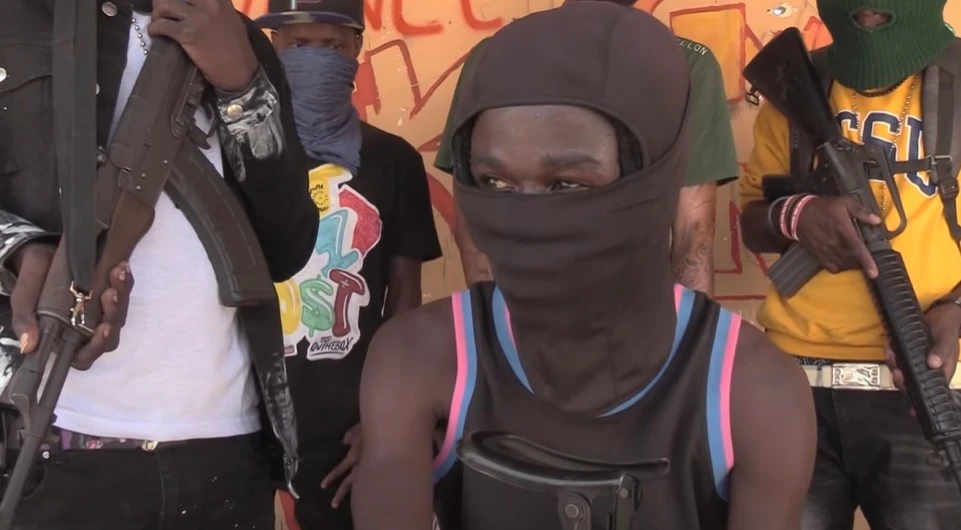
What are five things causing or contributing to all the gang violence in Haiti?
The situation on the ground in Haiti is complex and evolving, and multiple factors may be at play. Nonetheless, here are five factors that could be contributing to gang violence in Haiti:
Socioeconomic Factors: High levels of poverty, unemployment, and income inequality can create an environment conducive to gang activity. Economic hardships and lack of opportunities may lead individuals to join gangs as a means of survival or to seek financial gain through illicit activities.
Political Instability: Haiti has experienced significant political instability over the years, with frequent changes in government and weak governance. This instability can create a power vacuum and contribute to the rise of criminal organizations, as well as hinder effective law enforcement and crime prevention measures.
Drug Trafficking: Haiti is geographically located in close proximity to major drug-producing countries, such as Colombia, and serves as a transit point for drug trafficking. The involvement of gangs in drug trade and organized crime can fuel violence as rival groups compete for control over lucrative drug routes and markets.
Weak Law Enforcement: The capacity and effectiveness of law enforcement agencies in Haiti have been limited due to various factors, including inadequate resources, corruption, and lack of training. These challenges can undermine efforts to combat gang violence, allowing criminal organizations to operate with relative impunity.
Displacement and Urbanization: Following natural disasters, such as the 2010 earthquake, many people were displaced and relocated to urban areas, resulting in overcrowding and the formation of informal settlements. These densely populated areas often lack basic services and infrastructure, creating an environment conducive to criminal activities and gang formation.
Socioeconomic Factors
Socioeconomic factors play a significant role in contributing to gang violence in Haiti. Here are some key aspects to consider:
Poverty: Haiti is one of the poorest countries in the Western Hemisphere, with a large portion of the population living in extreme poverty. Poverty can lead to desperation and a lack of opportunities, making individuals more vulnerable to recruitment by gangs.
Gangs may promise economic support, protection, or a sense of belonging that can be appealing to those living in impoverished conditions.
Unemployment and Underemployment: High levels of unemployment and underemployment are prevalent in Haiti. Limited access to formal employment opportunities forces many individuals into the informal economy, where income is often unstable and insufficient.
This economic instability can drive people to engage in criminal activities associated with gangs as a means of survival or to improve their financial situation.
Income Inequality: Haiti experiences significant income inequality, with a small percentage of the population controlling a disproportionate amount of wealth. The stark contrast between the wealthy and the impoverished can breed feelings of resentment, frustration, and social unrest.
Gangs may emerge as a response to this inequality, with some individuals resorting to violence as a means of challenging the existing social order.
Lack of Basic Services: Access to basic services, such as education, healthcare, and clean water, is limited in many parts of Haiti. The absence of essential services further exacerbates the cycle of poverty and inequality.
Without access to quality education and healthcare, individuals face diminished prospects for upward mobility and are more susceptible to involvement in criminal activities, including gang violence.
Social Dislocation: Social dislocation resulting from factors like urbanization, migration, and displacement can contribute to the breakdown of traditional social structures and support networks. In the absence of stable community ties, individuals may seek a sense of belonging and identity in gangs.
Gangs can provide a substitute for familial and community bonds, albeit through violent and criminal means.
Political Instability
Political instability is a significant factor contributing to gang violence in Haiti. The country has a history of political turmoil, frequent changes in government, weak governance, and a lack of institutional stability. Here’s a closer look at the impact of political instability on gang violence:
Power Vacuum: Political instability often leads to a power vacuum, where there is a lack of effective governance and control. This creates an environment conducive to the rise of criminal organizations, including gangs, as they exploit the weak state institutions and the absence of law and order.
Gangs can flourish in this power vacuum, filling the void left by the government’s inability to provide security and stability.
Corruption: Corruption is a deeply rooted problem in Haiti and has further eroded trust in government institutions. Corruption within law enforcement agencies, judiciary, and other state institutions can hinder efforts to combat gang violence. It can lead to compromised investigations, protection of criminal elements, and a lack of accountability.
Gangs can exploit corrupt officials or bribe them to operate without consequences.
Limited Law Enforcement Capacity: Political instability can hamper the capacity of law enforcement agencies to effectively combat gang violence. Frequent changes in government often result in changes in law enforcement leadership, disrupted coordination, and inconsistent policies.
Inadequate funding, resources, and training for law enforcement agencies further undermine their ability to respond to gang-related crimes. The lack of trust in law enforcement due to corruption and political instability can also hinder cooperation with communities in preventing and addressing gang violence.
Weak Judicial System: Political instability can negatively impact the judicial system, leading to delays in legal processes, case backlogs, and limited access to justice. This can result in a culture of impunity where gang members feel they can commit crimes without fear of punishment.
A weak judiciary also hampers efforts to prosecute and convict gang leaders and members, allowing them to continue their criminal activities.
Political Fragmentation and Polarization: Political instability often leads to political fragmentation and polarization, with various factions vying for power and influence. This can create an environment where politicians and political groups may exploit or align themselves with gangs for their own gain, further exacerbating the violence.
The use of gangs as proxies in political conflicts or for electoral purposes can perpetuate the cycle of violence and hinder efforts to address gang-related issues effectively.
Drug Trafficking
Drug trafficking is a significant factor contributing to gang violence in Haiti. The country’s geographic location, porous borders, and proximity to drug-producing regions create an environment that is exploited by criminal organizations involved in the drug trade. Here’s a closer look at how drug trafficking contributes to gang violence in Haiti:
Transit Route: Haiti serves as a key transit route for illicit drug trafficking due to its strategic location in the Caribbean. Drug traffickers take advantage of the country’s extensive coastline, numerous ports, and limited maritime surveillance to transport drugs, primarily cocaine, from South America to North America and Europe.
The control and competition over these drug routes can lead to violent conflicts between rival gangs.
Financial Incentives: Drug trafficking is a highly profitable illicit industry, generating substantial revenues for criminal organizations involved. The lure of quick and substantial financial gains attracts individuals and groups to engage in drug-related activities, including joining or forming gangs.
The pursuit of profits from drug trafficking fuels violence as rival gangs compete for control over lucrative drug markets, distribution networks, and smuggling routes.
Arms Trade and Criminal Networks: Drug trafficking often goes hand in hand with the illegal arms trade. Criminal organizations involved in drug trafficking may acquire firearms and other weapons to protect their operations, territory, and drug shipments.
The presence of firearms in the hands of gangs increases the propensity for violence and escalates conflicts among rival groups. Additionally, the criminal networks established for drug trafficking can facilitate the expansion of other criminal activities, including kidnapping, extortion, and human trafficking, which further contribute to violence in Haiti.
Corruption and Weakened Institutions: Drug trafficking networks often infiltrate state institutions and corrupt officials to facilitate their operations. The presence of corruption within law enforcement, customs, and judiciary undermines efforts to combat drug trafficking and gang violence.
Corrupt officials may provide protection, tip-offs, or turn a blind eye to drug-related activities, allowing criminal organizations to operate with impunity. Weakened institutions and compromised law enforcement further enable the growth and influence of gangs involved in drug trafficking.
Social and Community Disruption: Drug trafficking can have detrimental social and community impacts. The presence of drug markets and distribution networks in local communities can lead to increased drug use, addiction, and associated social problems.
Drug-related crimes, such as turf wars, territorial disputes, and drug-related violence, directly impact the safety and well-being of communities. The cycle of drug addiction and violence can create a sense of fear, instability, and breakdown of social cohesion.
Weak Law Enforcement
Weak law enforcement is a significant factor contributing to gang violence in Haiti. The capacity and effectiveness of law enforcement agencies play a crucial role in maintaining law and order, preventing crime, and addressing gang-related activities. Here’s a closer look at how weak law enforcement contributes to gang violence:
Inadequate Resources: Law enforcement agencies in Haiti often face resource constraints, including limited funding, outdated equipment, and inadequate training. Insufficient resources hinder their ability to effectively combat gang violence, conduct thorough investigations, and respond promptly to criminal activities.
A lack of basic infrastructure, such as police stations and vehicles, can impede the mobility and reach of law enforcement officers.
Corruption: Corruption within law enforcement agencies is a pervasive issue in Haiti. When officers are corrupt, they can be easily compromised or co-opted by criminal organizations, including gangs. Corruption undermines the trust and confidence in law enforcement, eroding public cooperation and hindering investigations.
Gang members may exploit corrupt officers to receive protection, tip-offs, or avoid arrest and prosecution, thereby perpetuating violence.
Ineffective Training and Recruitment: Insufficient training and inadequate recruitment processes can weaken the effectiveness of law enforcement. Limited training programs, particularly in specialized areas such as intelligence gathering, criminal investigations, and community policing, can hamper officers’ ability to combat gang violence effectively.
Additionally, the absence of rigorous screening processes during recruitment can result in the inclusion of individuals with questionable backgrounds or potential links to criminal networks.
Lack of Coordination: Weak coordination and communication between law enforcement agencies, as well as limited collaboration with other stakeholders such as the judiciary and social services, can hinder efforts to address gang violence comprehensively. Effective coordination is crucial for sharing intelligence, conducting joint operations, and implementing preventive measures.
The lack of coordination can result in fragmented responses, gaps in information sharing, and missed opportunities to disrupt gang activities.
Intimidation and Threats: Law enforcement officers in Haiti often face significant challenges, including intimidation, threats, and violence directed towards them and their families. Gangs may target and retaliate against officers who actively pursue and disrupt their activities.
Fear of reprisals can discourage law enforcement officers from taking decisive action against gangs, leading to a climate of impunity and further emboldening criminal organizations.
Displacement and Urbanization
Displacement and urbanization are factors that contribute to gang violence in Haiti. These processes often occur in the aftermath of natural disasters, such as the 2010 earthquake, and have significant social and economic implications. Here’s a closer look at how displacement and urbanization contribute to gang violence:
Disruption of Social Structures: Natural disasters and forced displacement can disrupt established social structures and community ties. People who are displaced from their homes and communities often face challenges in rebuilding their lives and establishing new support networks.
The loss of social cohesion and the breakdown of traditional community structures create an environment where gangs can thrive. Gangs may exploit the vulnerability of displaced individuals, offering them protection or a sense of belonging, and recruit them into their ranks.
Overcrowded and Informal Settlements: Displacement often leads to the establishment of overcrowded and informal settlements, characterized by substandard housing, inadequate infrastructure, and limited access to basic services. These settlements can become breeding grounds for criminal activities, including gang violence.
The lack of effective governance, law enforcement, and social services in these areas can contribute to an environment where gangs can operate with relative impunity.
Lack of Economic Opportunities: Displacement and urbanization can disrupt local economies, leading to a scarcity of formal employment opportunities. In the absence of viable economic prospects, individuals, particularly young people, may turn to criminal activities and gang involvement as a means of survival or to seek financial gains.
Lack of access to education and job training exacerbates the problem, leaving many individuals with limited alternatives to joining gangs.
Competition for Resources: Displacement and urbanization often result in increased competition for limited resources, including land, housing, and basic services. Gangs may exploit these tensions and rivalries, engaging in violent conflicts to gain control over territories, markets, and resources.
Displaced populations may also become targets for extortion and forced recruitment by gangs seeking to expand their influence and power.
Marginalization and Stigmatization: Displaced populations, particularly those residing in informal settlements, are often marginalized and stigmatized by broader society. They may face discrimination, limited access to opportunities, and social exclusion.
The resulting frustration and resentment can fuel a sense of alienation and push individuals towards gangs as a means of empowerment, protection, or retaliation.

Leave a Reply