 by Webmaster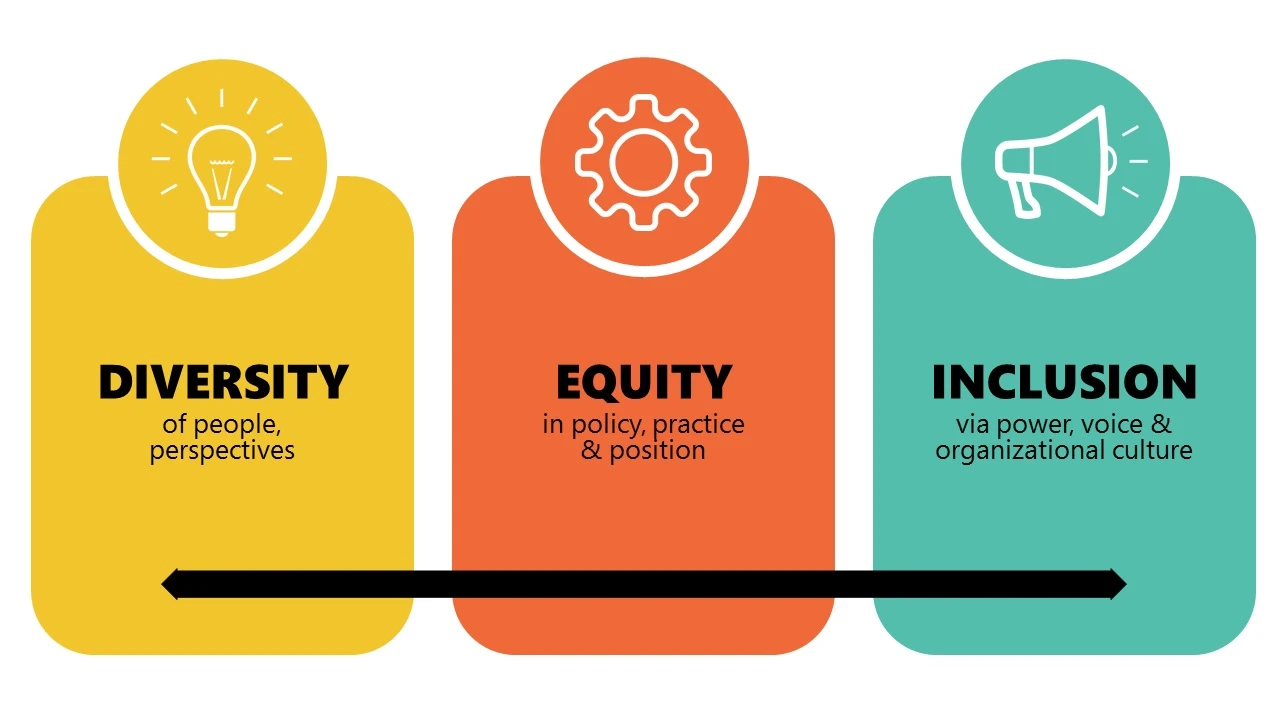
Why do companies need “diversity, equity, and inclusion” pages?
Companies create “diversity, equity, and inclusion” pages on their websites for several reasons:
- Demonstrate their commitment to DEI: By having a dedicated page, companies signal to their employees, customers, and other stakeholders that they take diversity, equity, and inclusion seriously and are actively working to create a more inclusive and equitable workplace.
- Communicate their DEI efforts: Companies can use these pages to highlight the specific actions they are taking to create a more diverse and inclusive workplace. This can include initiatives like employee resource groups, unconscious bias training, diversity recruiting efforts, and other diversity-related programs.
- Attract and retain diverse talent: Companies that prioritize diversity, equity, and inclusion are more likely to attract diverse candidates and retain diverse employees. A DEI page can help communicate to potential hires that the company is committed to creating a welcoming and inclusive work environment.
- Educate stakeholders: By including resources and educational materials on their DEI pages, companies can help educate their employees, customers, and other stakeholders on important topics related to diversity, equity, and inclusion.
In summary, a “diversity, equity, and inclusion” page is an important tool for companies to communicate their commitment to creating a more diverse and inclusive workplace, highlight their DEI efforts, attract and retain diverse talent, and educate stakeholders.
Are these pages also a form of virtue signaling?
The concept of “virtue signaling” typically refers to the act of publicly expressing a moral or ethical stance in order to enhance one’s own reputation or social status. While it’s possible for companies to create DEI pages as a form of virtue signaling, it’s important to consider the broader context and intent behind these efforts.
Creating a DEI page is just one small step that companies can take to demonstrate their commitment to diversity, equity, and inclusion. It’s important to evaluate the company’s actions beyond just its website, including its internal policies and practices, as well as its impact on its employees, customers, and communities.
In many cases, companies create DEI pages as part of a broader effort to improve diversity and inclusion within the organization. While there may be some PR benefit to highlighting these efforts on the company’s website, the ultimate goal is to create a more inclusive and equitable workplace and to promote social justice.
In short, while it’s possible for DEI pages to be a form of virtue signaling, it’s important to consider the broader context and intent behind these efforts. Ultimately, the goal should be to create meaningful change and promote diversity, equity, and inclusion within the organization and beyond.
Why do stakeholders need to be “educated” about DEI?
Stakeholders, including employees, customers, shareholders, and the broader community, need to be educated about DEI because it helps to build a more inclusive and equitable culture, and it can lead to more positive outcomes for everyone involved. Here are some reasons why stakeholders need to be educated about DEI:
- Awareness: Many people may not be aware of the challenges faced by underrepresented groups in the workplace or society at large. By providing education and training, stakeholders can become more aware of these issues and develop a deeper understanding of the importance of diversity, equity, and inclusion.
- Empathy: Education can help stakeholders develop empathy for others and understand the experiences of people from different backgrounds. This can help to build stronger relationships and promote a more inclusive culture.
- Behavior change: Education and training can help stakeholders identify their own biases and take steps to address them. This can lead to more inclusive behaviors and a more equitable workplace.
- Legal compliance: Many companies have legal obligations to promote diversity and prevent discrimination in the workplace. Educating stakeholders can help companies meet these obligations and avoid legal issues.
- Business benefits: A more diverse and inclusive workplace has been linked to better business outcomes, including improved employee engagement, innovation, and financial performance. Educating stakeholders can help them understand these benefits and become more invested in creating a more diverse and inclusive culture.
In summary, educating stakeholders about DEI is important because it can increase awareness, promote empathy and behavior change, ensure legal compliance, and lead to better business outcomes. By building a more diverse and inclusive culture, companies can create a more positive work environment and contribute to a more just and equitable society.
Why is “diversity” considered so important to companies? Countries like Japan have very little diversity but they have many successful corporations like Toyota and Sony.
Diversity is considered important to companies for several reasons. Firstly, having a diverse workforce can bring different perspectives, ideas, and approaches to problem-solving, which can lead to more innovation and creativity. When a team of people from different backgrounds come together, they can bring a wide range of experiences and perspectives that can help to generate new ideas and identify opportunities that may not have been recognized otherwise.
Secondly, a diverse workforce can help companies to better serve diverse customers and communities. By having employees who represent different backgrounds, cultures, and identities, companies can better understand and respond to the needs of their customers and build stronger relationships with them.
Thirdly, promoting diversity can help companies attract and retain top talent. In today’s globalized world, many people are looking for workplaces that value and respect diversity. By promoting diversity, companies can create a more inclusive and welcoming environment, which can help attract and retain a more diverse and talented workforce.
It’s worth noting that the concept of diversity can vary depending on the country and context. While countries like Japan may have less ethnic and racial diversity, they may still value diversity in other ways, such as diversity of thought or diversity of educational and professional backgrounds. In any case, promoting diversity can help companies to build a more inclusive and innovative workplace that can better serve customers and attract top talent.
Everybody can have “diversity of thought”. The point is the United States just seems to be obsessed with racial and ethnic diversity in the workplace.
While it’s true that diversity of thought is valuable in the workplace, the focus on racial and ethnic diversity in the United States is a response to historical and ongoing discrimination and disparities that exist in society.
The push for racial and ethnic diversity in the workplace is a response to a long history of exclusion, discrimination, and bias that has led to underrepresentation of certain groups in many industries and professions. Many people believe that promoting diversity and inclusion can help to address these historical injustices and create more equitable opportunities for all people.
Additionally, promoting racial and ethnic diversity in the workplace can help to better serve a diverse customer base and build stronger relationships with customers from different backgrounds. Studies have shown that diverse teams can lead to better business outcomes, including improved financial performance, customer satisfaction, and employee engagement.
While diversity of thought is certainly valuable, promoting racial and ethnic diversity is an important step toward creating a more inclusive and equitable workplace and society. It’s not an either-or situation – promoting diversity of thought and promoting racial and ethnic diversity can both be important goals for companies and organizations.
How is seeking such diversity a “strength” if all its doing is rectifying a perceived historical “problem”?
Seeking diversity in the workplace is a strength because it helps to create a more inclusive and equitable culture that can lead to better business outcomes. While it’s true that efforts to promote diversity and inclusion are often motivated by a desire to address historical injustices and disparities, there are many practical benefits to promoting diversity in the workplace that go beyond just rectifying perceived problems.
For example, research has shown that diverse teams can be more innovative and productive, as they bring together different perspectives and approaches to problem-solving. A more diverse workplace can also help to better serve a diverse customer base and build stronger relationships with customers from different backgrounds. In addition, promoting diversity can help companies to attract and retain top talent, as many people are looking for workplaces that value and respect diversity.
Furthermore, promoting diversity and inclusion is simply the right thing to do. Everyone should have the opportunity to participate fully and equally in society, regardless of their background or identity. By promoting diversity and inclusion, companies can help to create a more just and equitable society that benefits everyone.
In summary, seeking diversity in the workplace is a strength because it can lead to more innovation, better customer relationships, improved talent attraction and retention, and a more just and equitable society. While efforts to promote diversity and inclusion may be motivated in part by a desire to address historical injustices, there are many practical and ethical reasons why promoting diversity is a valuable goal for companies and organizations.



Leave a Reply