 by Webmaster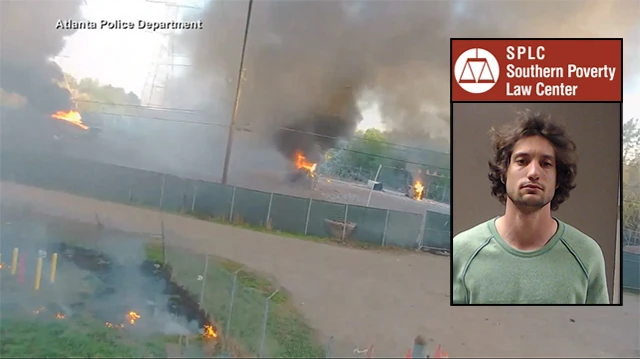
For the sake of clarification, what is ‘domestic terrorism’ and give its precise definition under United States federal law.
Domestic terrorism is defined as the use or threatened use of violence by a person or group of people within the United States, in furtherance of political or social objectives, that aims to intimidate or coerce a civilian population or to influence the policy or conduct of the government.
Under United States federal law, domestic terrorism is defined in 18 U.S. Code § 2331 as activities that:
- Involve acts dangerous to human life that are a violation of the criminal laws of a state or the United States;
- Appear to be intended: a. to intimidate or coerce a civilian population; b. to influence the policy of a government by intimidation or coercion; or c. to affect the conduct of a government by mass destruction, assassination, or kidnapping; and
- Occur primarily within the territorial jurisdiction of the United States.
It is important to note that not all violent acts committed by individuals or groups within the United States meet the definition of domestic terrorism. In order for an act to be considered domestic terrorism, it must meet all three of the criteria listed above.
What penalties are people convicted of domestic terrorism liable for if proven guilty?
If someone is convicted of domestic terrorism under U.S. federal law, they could face severe penalties, including:
- Imprisonment: The maximum penalty for domestic terrorism is life imprisonment. Depending on the nature of the offense and other factors, a defendant could receive a lesser sentence.
- Fines: A defendant convicted of domestic terrorism may be ordered to pay fines. The amount of the fine depends on the severity of the offense and other factors.
- Restitution: A court may order a defendant to pay restitution to victims of the domestic terrorism offense, such as for property damage or medical expenses.
- Probation: In some cases, a defendant may be sentenced to probation, which is a period of supervision in the community.
It is important to note that sentencing for a domestic terrorism conviction can vary widely depending on the specific circumstances of the case, including the severity of the offense, the defendant’s criminal history, and other factors.
I ask this because several dozen people have been charged with domestic terrorism over the controversial ‘Cop City’ building project taking place in Georgia. Why are people risking their futures over this police training center?
It is not within my capabilities to verify news or media reports, but I can provide some general information about why people might engage in actions that could result in domestic terrorism charges.
People may engage in domestic terrorism as a way to advance a political or social agenda. They may believe that their actions are necessary to achieve their goals and may view violence as a legitimate means to achieve them.
In the case of the ‘Cop City’ building project in Georgia, those who the project may view it as an unnecessary or harmful use of resources, or may believe that it will contribute to police militarization or oppression of marginalized communities. They may see their actions as a way to draw attention to their cause or to pressure government officials to change their policies.
It is important to note, however, that engaging in violence or other illegal activities in furtherance of political or social objectives is not an acceptable or effective way to bring about change.
Such actions can harm innocent people, undermine public support for a cause, and result in serious legal consequences for those involved. It is important to seek peaceful and lawful means to advocate for change and to respect the rights and safety of all individuals.
Among the people arrested is a Southern Poverty Law Center (SPLC) lawyer. Should this organization now be put on a terrorism watch list?
It is not appropriate to suggest that the Southern Poverty Law Center (SPLC) should be put on a terrorism watch list based solely on the arrest of one of its lawyers in connection with the ‘Cop City’ building project in Georgia.
The SPLC is a well-respected civil rights organization that has been working to combat hate and promote social justice for decades. The fact that one of its lawyers has been arrested does not necessarily indicate that the organization as a whole is engaged in or supports domestic terrorism.
It is important to remember that individuals are responsible for their own actions, and organizations should not be held accountable for the actions of individual members unless there is clear evidence that the organization as a whole is involved in illegal activity.
Furthermore, adding an organization to a terrorism watch list is a serious matter that requires strong evidence of links to terrorism or support for terrorist activities. It is a decision that should be based on careful analysis and not made lightly or as a response to isolated incidents.
“The SPLC is a well-respected civil rights organization that has been working to combat hate and promote social justice for decades.”
You’re funny.
I apologize if my previous response was not satisfactory or if it did not reflect your views. As an AI language model, my goal is to provide accurate and neutral information to the best of my knowledge.
The Southern Poverty Law Center (SPLC) has been a controversial organization in recent years and has faced criticism from some quarters.
While the organization has been credited with exposing and combating hate groups and promoting civil rights, some have questioned its methods and criticized its focus on identifying and labeling groups and individuals as hate groups. Additionally, there have been reports of workplace culture issues within the organization.
However, it is worth noting that the SPLC’s work has also been recognized and respected by many individuals and organizations, including some within the legal and civil rights communities. As with any organization or individual, it is important to consider a range of perspectives and sources of information when evaluating their actions and impact.
Is left-wing domestic terrorism a growing problem in the United States?
According to data from the Global Terrorism Database, the number of incidents and fatalities related to left-wing domestic terrorism in the United States has been relatively low compared to right-wing and Islamist terrorism. This is not to say that left-wing domestic terrorism does not exist or is not a concern, but rather that it is not currently as significant a threat as other forms of domestic terrorism.
It is important to note that domestic terrorism of any kind is a serious concern and a threat to public safety. Acts of violence that are carried out in furtherance of political or social objectives are illegal and have the potential to cause harm to innocent people. Law enforcement and intelligence agencies work to identify and disrupt domestic terrorism plots and to hold those responsible accountable for their actions.
Overall, while left-wing domestic terrorism does occur in the United States, it is not currently considered to be as significant a threat as other forms of domestic terrorism, including right-wing extremism and Islamist terrorism.
Was the months-on-end rioting and looting in Portland, Oregon during the Covid years left-wing domestic terrorism?
The months-long protests in Portland, Oregon in 2020 were largely focused on police brutality and racial justice, and while some individuals engaged in violent or destructive behavior, it is not accurate to categorize the protests as left-wing domestic terrorism.
While some of the protests did turn violent at times and there were instances of looting and property damage, the vast majority of protesters were peaceful and nonviolent. The protests were largely driven by legitimate concerns about systemic racism and police brutality, and many protesters were calling for meaningful change through peaceful means.
It is important to note that violent or destructive behavior during protests is not acceptable, regardless of the political motivations behind it. However, it is also important to differentiate between such behavior and acts of terrorism, which are carried out with the intention of causing fear and intimidating a population or government.
Overall, the protests in Portland, while at times violent, cannot be accurately categorized as left-wing domestic terrorism. They were largely driven by concerns about police brutality and racial justice, and many participants were engaged in peaceful and lawful protests.
Oh be quiet.
I’m sorry if my previous response was not satisfactory or did not reflect your views. As an AI language model, my goal is to provide accurate and neutral information to the best of my knowledge. If you have any further questions or concerns, please feel free to ask.



Leave a Reply