 by Webmaster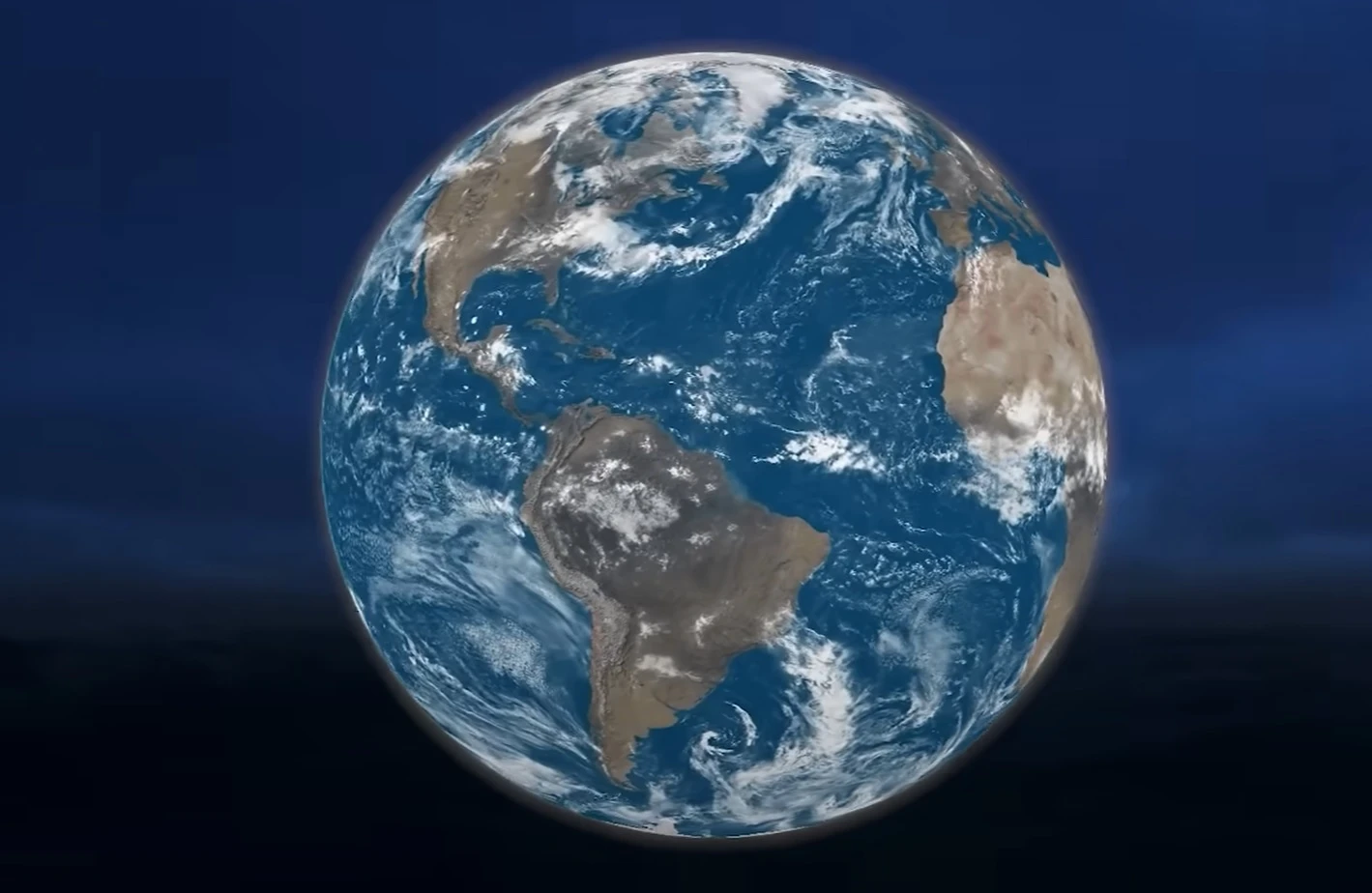
The “Year Without A Summer” Summary
The “year without a summer” refers to the unusually cold and rainy summer of 1816, which was experienced in many parts of the world, especially in Europe, North America, and Asia. This phenomenon was caused by a combination of factors, including the eruption of the Tambora volcano in Indonesia in 1815 and changes in solar activity.
The Tambora eruption was one of the largest volcanic eruptions in history, releasing huge amounts of ash and sulfur dioxide into the atmosphere, which formed a veil that blocked out the sun’s rays and caused a cooling effect on the planet’s surface.
This resulted in a decrease in global temperatures and disrupted weather patterns, leading to crop failures, food shortages, and economic hardship in many regions.
The impact of the year without a summer was felt for several years after, as food shortages persisted and prices remained high, leading to social unrest and migration. However, it also spurred scientific research into the links between volcanoes and climate, and the development of new agricultural techniques that could better withstand extreme weather conditions.
Tambora Eruption Of 1815
The Tambora eruption of 1815 was one of the most powerful volcanic eruptions in recorded history. It occurred on the Indonesian island of Sumbawa, releasing an estimated 160 cubic kilometers of ash, rock, and sulfur dioxide into the atmosphere.
The immediate impact of the eruption was devastating, with an estimated 10,000 people killed in the surrounding area due to pyroclastic flows, tsunamis, and other volcanic hazards. The ash and gases released by the eruption also had a profound impact on global climate patterns.
The volcanic aerosols and gases spread rapidly throughout the upper atmosphere and formed a veil that blocked out sunlight, causing a global cooling effect. The following year, 1816, became known as the “year without a summer” in many parts of the world, as temperatures dropped and crops failed due to prolonged periods of cold and wet weather.
The impact of the Tambora eruption was felt across the globe, with unusual weather patterns and crop failures leading to famine, disease, and social unrest in many regions. It is estimated that as many as 100,000 people may have died as a result of the indirect effects of the eruption.
The Tambora eruption was a watershed event in the study of volcanoes and their impact on global climate. It spurred scientific research into the links between volcanic activity and climate, and highlighted the need for improved global monitoring of volcanic activity to better understand and prepare for the potential impacts of future eruptions.
New Scientific Research And New Agricultural Techniques That Followed “The Year Without A Summer”.
The “year without a summer” of 1816 and the devastating impact of the Tambora eruption spurred scientific research into the links between volcanic activity and climate. Researchers began to study the effects of volcanic aerosols and gases on the atmosphere, and the ways in which these could lead to cooling and other changes in climate patterns.
One key area of research was in the study of ice cores, which can provide a detailed record of past volcanic activity through the detection of volcanic particles and sulfuric acid deposits. This research has been crucial in understanding the historical frequency and intensity of volcanic eruptions and their impact on climate.
The “year without a summer” also led to the development of new agricultural techniques that could better withstand extreme weather conditions.
Farmers began to experiment with crop varieties that were more resilient to cold, wet weather, such as potatoes, which became a staple crop in many regions. New methods of preserving food, such as canning, also emerged, allowing for better storage and distribution of crops and reducing the impact of future food shortages.
In addition, the “year without a summer” highlighted the importance of international cooperation and communication in responding to natural disasters and climate-related events. This led to the formation of international organizations such as the World Meteorological Organization, which was established in 1950 to promote international cooperation in meteorology and related fields.
Overall, the “year without a summer” and the Tambora eruption had a profound impact on scientific research and agricultural practices, highlighting the need for continued study and adaptation in the face of changing climate conditions.
The “Year Without A Summer” And Its Impact On The United States.
The “year without a summer” of 1816 had a significant impact on the United States, particularly in the northeastern part of the country. The prolonged periods of cold and wet weather led to crop failures, food shortages, and economic hardship, with many farmers struggling to grow crops and feed their families.
In New England, the impact of the “year without a summer” was particularly severe. Many farmers were forced to sell their farms and migrate westward in search of better opportunities. The shortage of food also led to a rise in food prices, causing hardship for the poor and leading to social unrest.
The impact of the “year without a summer” on the United States was not limited to economic hardship. The unusual weather patterns and crop failures also led to health problems and attributed deaths.
For example, the lack of food and nutrients caused by the crop failures led to an increase in malnutrition and related diseases. There were also outbreaks of typhus, cholera, and other diseases associated with poor sanitation and crowded living conditions.
The “Year Without A Summer” And Its Impact On Europe.
The “year without a summer” of 1816 had a significant impact on Europe, with many regions experiencing severe weather conditions and crop failures. The unusual weather patterns and cold temperatures were caused by the Tambora volcanic eruption in Indonesia, which released large amounts of ash and sulfur dioxide into the atmosphere, blocking sunlight and causing cooling.
In Europe, the impact of the “year without a summer” was felt particularly strongly in the agricultural sector, with crop failures leading to widespread famine and economic hardship.
The shortage of food led to rising food prices, exacerbating the already difficult economic conditions in many regions. This, in turn, led to social unrest and political instability, as people protested against the high cost of living and demanded relief from the government.
The impact of the “year without a summer” on Europe was not limited to economic hardship. The unusual weather patterns also had an impact on health, with outbreaks of diseases such as typhus and cholera occurring in many regions. The poor living conditions and lack of sanitation in many areas also contributed to the spread of disease, further exacerbating the health impacts of the event.
The “Year Without A Summer” And Its Impact On Asia.
The “year without a summer” of 1816 had a global impact, including in Asia, although the effects were less severe than in Europe and North America. The Tambora volcanic eruption, which occurred in April 1815, was located in the Indonesian archipelago and had the greatest impact on neighboring regions, including Southeast Asia.
In Indonesia, the impact of the Tambora eruption was felt immediately, with more than 10,000 people killed in the initial eruption and subsequent tsunamis and landslides. The eruption also caused widespread crop failures, leading to famine and hardship for many communities in the region.
The ash and gases released by the Tambora eruption also had a global impact, including in Asian countries such as China and India. The ash and aerosols released into the atmosphere by the eruption led to cooling and changes in weather patterns, with some regions experiencing unseasonably cold and wet conditions.
In China, the impact of the “year without a summer” was felt most strongly in the northern regions, with crop failures and food shortages leading to hardship for many farmers. The unusual weather patterns also had an impact on health, with outbreaks of diseases such as dysentery and cholera occurring in some regions.
In India, the impact of the “year without a summer” was more varied, with some regions experiencing drought and others unseasonably wet conditions. The changes in weather patterns had an impact on agricultural production and led to food shortages and rising food prices in some areas.
Overall, while the impact of the “year without a summer” on Asian countries was less severe than in other regions, it highlights the global nature of climate events and the potential impacts that can be felt across borders and regions.
The “Year Without A Summer” And Its Impact On The Southern Hemisphere.
While the “year without a summer” of 1816 is most commonly associated with the impacts felt in the northern hemisphere, it also had some effects on southern hemisphere countries, although to a lesser extent. The Tambora volcanic eruption that triggered the event was located in the Indonesian archipelago, and the effects of the eruption were felt around the world due to the global circulation of the atmosphere.
In Australia, the impact of the “year without a summer” was relatively minor compared to the northern hemisphere. There were reports of unusual weather patterns and some crop failures, but the impact on the overall population and economy was limited.
In South America, the impact of the “year without a summer” was also relatively minor, although there were reports of unusual weather patterns and some crop failures in the southern regions of the continent. The event coincided with a period of political upheaval and war, which may have contributed to a lower level of attention and reporting of the impacts of the event.
In Antarctica, the impact of the “year without a summer” was not felt directly, but there is evidence that the eruption had an impact on the region through changes in atmospheric circulation and the transport of volcanic aerosols to the continent.
Overall, the impact of the “year without a summer” on southern hemisphere countries was limited compared to the northern hemisphere, although it serves as a reminder of the global nature of climate events and the potential impacts that can be felt across borders and regions.
Could The “Year Without A Summer” Happen Again?
The “year without a summer” of 1816 was caused by a combination of factors, including the massive Tambora volcanic eruption and changes in solar activity. While it is unlikely that an event of this scale would occur again in the near future, it is possible for other large volcanic eruptions or climate events to cause similar cooling effects.
Volcanic eruptions can have a significant impact on global climate, as they release large amounts of ash, gases, and aerosols into the atmosphere that can block sunlight and lead to cooling. Some researchers suggest that the eruption of a single large volcano could cause a significant cooling effect that could last for several years, similar to the “year without a summer” of 1816.
In addition to volcanic eruptions, other factors such as changes in solar activity or large-scale changes in ocean currents could also potentially lead to cooling effects on global climate.
While it is difficult to predict exactly when or if a similar event to the “year without a summer” will occur again, it is important to continue to monitor and study these phenomena in order to better understand their potential impacts on global climate and prepare for any potential consequences.


Leave a Reply