 by Webmaster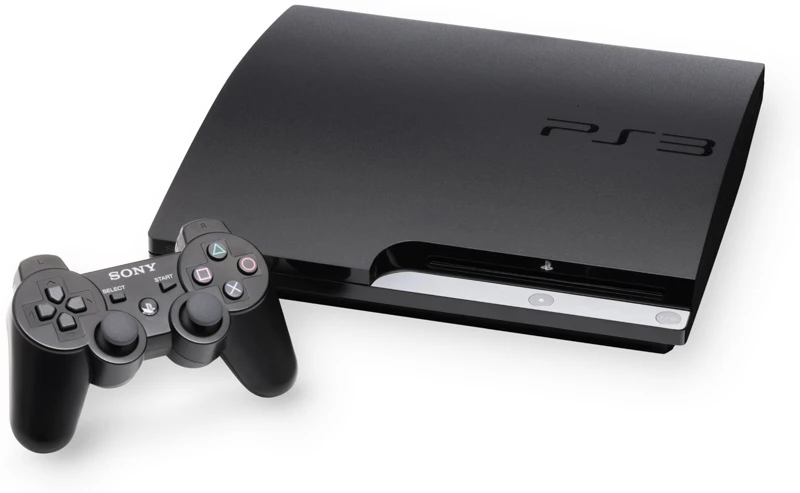
Why was the Playstation 3 (PS3) much less successful than the PS2 and PS4?
The PlayStation 3 (PS3) was less successful than the PlayStation 2 (PS2) and PlayStation 4 (PS4) for several reasons:
- High Price: At launch, the PS3 was significantly more expensive than its competitors, such as the Xbox 360 and Wii. The high price point was due to the advanced technology used in the console, including the Cell processor and Blu-ray disc drive.
- Late Release: The PS3 was released a year after the Xbox 360, which gave Microsoft’s console a head start in the market. This allowed the Xbox 360 to gain a significant market share before the PS3 was released.
- Difficult to Develop For: The PS3 was notoriously difficult to develop games for, which made it less attractive for third-party game developers. This led to a smaller library of games compared to the PS2 and PS4.
- Lack of Exclusive Games: While the PS3 had some exclusive games, it lacked the breadth and depth of exclusive titles that the PS2 and PS4 had. This made it less appealing to gamers who were looking for unique and compelling experiences.
- Marketing and Branding: Sony’s marketing and branding for the PS3 were not as effective as it was for the PS2 and PS4. The messaging around the PS3 was confusing, and it was not clear why consumers should choose the PS3 over other consoles.
Overall, the PS3’s high price, late release, difficult development, lack of exclusive games, and ineffective marketing and branding all contributed to its lower success compared to the PS2 and PS4.
For clarification, what were the total sales of the PS3 compared to the PS2 and PS4?
As of the knowledge cutoff date of September 2021, the total sales figures for the PlayStation consoles were:
- PlayStation 2: over 155 million units sold
- PlayStation 3: over 87 million units sold
- PlayStation 4: over 116 million units sold
So, the PS3 sold significantly less than the PS2 and PS4. The PS2 remains the best-selling video game console of all time, while the PS4 surpassed the PS3 in total sales in a shorter amount of time.
Elaborate on the PS3 being difficult to develop for.
The PlayStation 3’s (PS3) unique hardware architecture made it difficult for game developers to create games for the console. Unlike the Xbox 360 and other consoles, the PS3 used a proprietary processor architecture called the Cell Broadband Engine (Cell). The Cell was a multi-core processor that required a different approach to programming than traditional CPUs.
To take advantage of the Cell’s processing power, developers had to use a new programming language called the Cell SDK. The Cell SDK required a significant amount of time and resources to master, which made it a challenge for many game developers to create games for the PS3.
Additionally, the PS3’s graphics processing unit (GPU) was also different from other consoles. It used the RSX GPU, which was developed by Nvidia specifically for the PS3. The RSX was powerful but required developers to use specific techniques to take advantage of its capabilities.
Overall, the PS3’s unique hardware architecture made it more challenging for game developers to create games for the console.
This led to fewer games being developed for the PS3 compared to other consoles, and the games that were developed often took longer to create and were more expensive to produce. This, in turn, led to a smaller library of games for the PS3 and made it less attractive to gamers who were looking for a wide range of game choices.
Is ‘Cell SDK’ still in use at all for developers?
No, the Cell SDK is no longer in use. The Cell Broadband Engine processor architecture was unique to the PlayStation 3 and was developed jointly by Sony, Toshiba, and IBM. The Cell processor was used exclusively in the PS3 and was not adopted by any other console or device.
After the PS3’s release, the Cell processor was used in a few other applications, such as scientific research and high-performance computing. However, its adoption was limited, and the Cell architecture was eventually discontinued.
With the discontinuation of the Cell architecture, the Cell SDK was also no longer supported.
Today, game developers primarily use industry-standard programming languages and development tools, such as C++, Unity, and Unreal Engine, to create games for consoles and other platforms. These tools are widely used and have a large community of developers, making it easier for developers to create games for a wide range of platforms.
Elaborate on the PS3’s lack of exclusive games.
The PlayStation 3 (PS3) had some exclusive games, but compared to its predecessors, the PS2 and its successor, the PS4, it had fewer exclusive titles. There were several reasons for this:
- Difficult Development: As mentioned earlier, the PS3’s unique hardware architecture made it more challenging for game developers to create games for the console. This made it more difficult to create exclusive titles for the PS3.
- High Development Costs: Developing games for the PS3 was more expensive than developing games for other consoles due to the PS3’s unique hardware architecture. This made it harder for developers to justify the costs of creating exclusive titles for the PS3.
- Late Release: The PS3 was released a year after the Xbox 360, which gave Microsoft’s console a head start in the market. This led to some game developers choosing to focus on creating games for the Xbox 360, which had a larger market share at the time.
- Competition from Third-Party Titles: Third-party titles, such as Call of Duty and Grand Theft Auto, were popular on both the PS3 and Xbox 360. These titles were not exclusive to the PS3 and did not offer a compelling reason for gamers to choose the PS3 over the Xbox 360.
- Focus on Multiplatform Releases: Some game developers chose to focus on creating multiplatform titles that could be released on multiple consoles, rather than developing exclusive titles for a single console. This led to fewer exclusive titles for the PS3.
Overall, the PS3’s difficult development, high development costs, late release, competition from third-party titles, and focus on multiplatform releases all contributed to its lack of exclusive games compared to the PS2 and PS4. This made it less appealing to gamers who were looking for unique and compelling experiences that could only be found on the PS3.
When the Playstation 4 started development, did its engineers specifically want to make the next generation system much easier to code new games?
Yes, the engineers working on the PlayStation 4 (PS4) did prioritize making the console easier for game developers to create games for. The PS3’s unique hardware architecture made it difficult for game developers to create games for the console, which limited the number of games available for the system.
To address this issue, the PS4 was designed with a more conventional x86-based architecture, which made it easier for developers to create games for the console. The PS4’s hardware was similar to that of a gaming PC, which allowed developers to use familiar development tools and techniques.
In addition to the hardware changes, the PS4 was also designed with developer feedback in mind. Sony consulted with game developers throughout the development process to identify areas where the PS4 could be improved.
This led to the creation of several features that were designed to make game development easier, such as a more robust development kit, better debugging tools, and improved documentation.
Overall, the engineers working on the PS4 recognized the importance of making the console easier to develop for and took steps to address this issue. This helped to ensure that the PS4 had a strong lineup of games and was more appealing to gamers than the PS3.
Addressing the PS3’s issues for the later console appear to have worked well. The PS4 has sold nearly 30 million additional units by comparison.
Yes, addressing the issues with the PS3 and making improvements to the PS4 appears to have worked well for Sony. The PS4 has been much more successful than the PS3, with over 116 million units sold worldwide as of September 2021.
Improving the PS4’s hardware architecture and making it easier for game developers to create games for the console helped to ensure that there were more games available for the system. This, in turn, made the PS4 more appealing to gamers and helped to drive sales.
In addition, Sony made other improvements to the PS4, such as upgrading the system’s graphics capabilities, improving online functionality, and adding new features such as remote play and share play. These improvements helped to make the PS4 a more attractive option for gamers and contributed to its success.
Overall, Sony took the lessons learned from the PS3 and applied them to the PS4, resulting in a console that was more successful than its predecessor. The PS4’s success is a testament to Sony’s commitment to innovation and improvement, as well as their ability to listen to feedback from game developers and consumers.



Leave a Reply