 by Webmaster
Five characteristics that define Tristan Tate’s online personality
Tristan Tate is Andrew Tate’s brother and also maintains a large online presence. Here are some general characteristics that have been associated with his online persona:
Wealth-focused: Tristan Tate often emphasizes wealth creation and financial success in his online presence. He shares insights, advice, and experiences related to entrepreneurship, investing, and personal finance. He promotes a mindset geared towards achieving financial abundance.
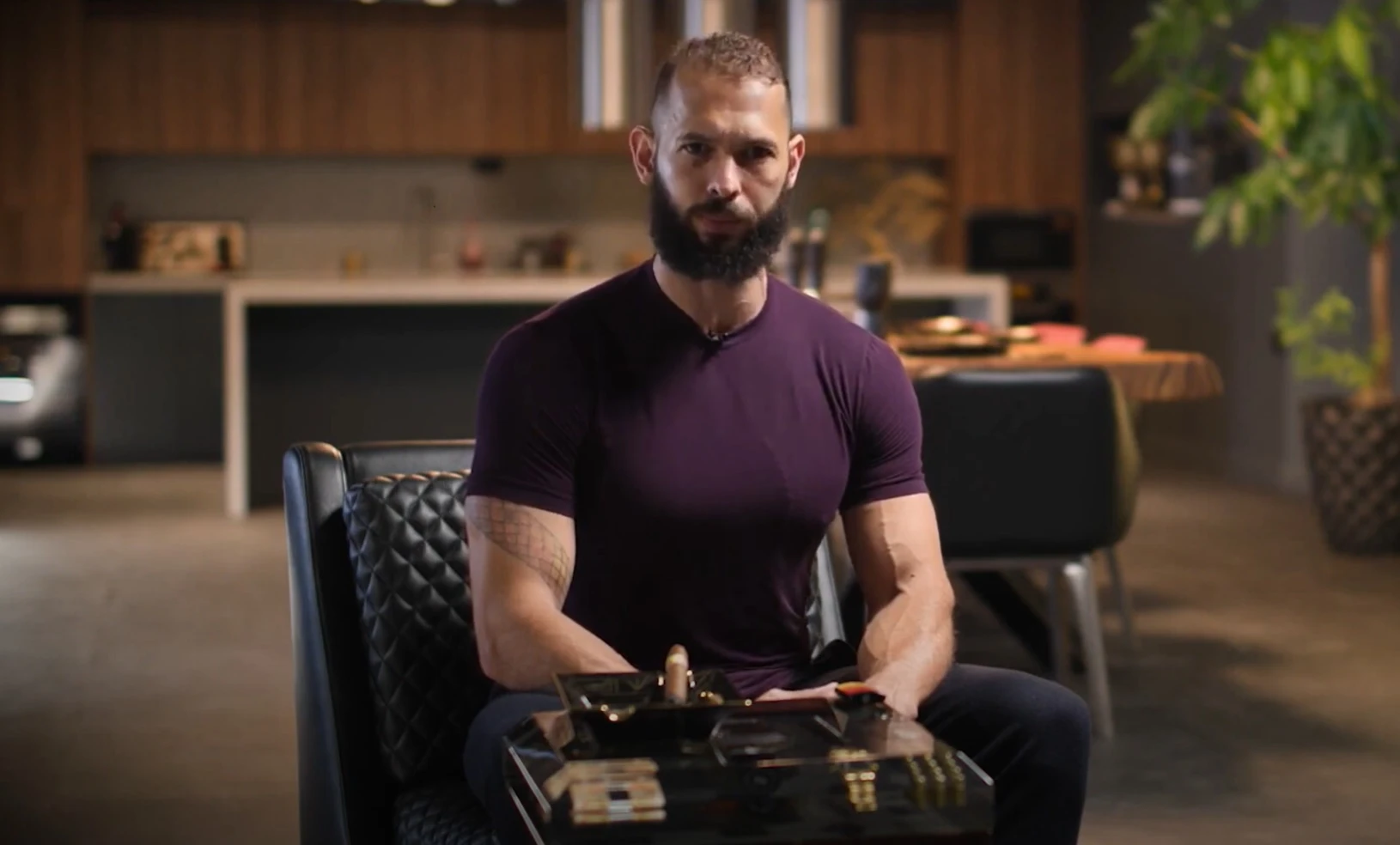
Luxury lifestyle: Tristan Tate showcases a luxurious lifestyle through his online persona. He often shares images, videos, and updates about his extravagant travels, high-end possessions, and experiences. He presents himself as someone who enjoys the finer things in life.
Confidence: Similar to his brother Andrew Tate, Tristan Tate exudes confidence in his online presence. He projects self-assurance and a belief in his own abilities, particularly in the realms of business and wealth accumulation. This confidence is often reflected in his posts and interactions with followers.
Fitness and health: Tristan Tate is known for his focus on fitness and maintaining a healthy lifestyle. He frequently shares workout routines, exercise tips, and nutritional advice through his online platforms. He promotes physical well-being as an essential aspect of personal development.
Motivational content: Tristan Tate shares motivational and inspirational content to motivate and inspire his audience. He encourages his followers to pursue their goals, overcome obstacles, and adopt a success-oriented mindset. He aims to provide guidance and encouragement for personal growth and self-improvement.
Please note that the perception of an individual’s online personality can vary, and it’s essential to approach online personas critically and consider multiple perspectives before forming an opinion. Additionally, as circumstances and online content may change over time, it’s advisable to explore current sources for the most up-to-date information on Tristan Tate’s online presence.
Being Wealth-Focused
Being wealth-focused refers to an individual’s primary emphasis on acquiring and accumulating financial resources and material abundance. It involves a mindset and set of behaviors geared towards achieving financial success and building wealth. Here are some key characteristics associated with being wealth-focused:
Financial goals and planning: Wealth-focused individuals set clear financial goals and develop strategic plans to achieve them. They have a vision for their financial future and create actionable steps to reach their objectives. They prioritize saving, investing, and growing their wealth over time.
Money management and financial literacy: Wealth-focused individuals understand the importance of managing their finances effectively. They possess a solid understanding of financial concepts, investment strategies, and money management techniques. They actively seek out knowledge and education to make informed decisions regarding their financial matters.
Entrepreneurial mindset: Many wealth-focused individuals possess an entrepreneurial mindset. They actively seek opportunities to generate income, create businesses, or invest in ventures that have the potential to generate significant returns. They are often willing to take calculated risks and embrace innovation in their pursuit of wealth creation.
Long-term wealth building: Being wealth-focused often involves taking a long-term perspective on wealth accumulation. These individuals understand that building substantial wealth takes time and effort. They prioritize making wise investments, diversifying their portfolios, and patiently allowing their wealth to grow over the years.
Wealth preservation and legacy planning: Wealth-focused individuals recognize the importance of preserving their wealth for future generations. They engage in estate planning and take steps to protect their assets. They may also consider philanthropy or other means of leaving a lasting impact through their wealth.
It’s important to note that being wealth-focused doesn’t necessarily imply a singular focus on money to the exclusion of other aspects of life. Many individuals who are wealth-focused also prioritize personal well-being, relationships, and making a positive impact in their communities. The pursuit of wealth is often seen as a means to achieve broader life goals and financial security.
Additionally, it’s crucial to approach wealth accumulation responsibly and ethically, taking into consideration the impact of one’s actions on society and the environment. Wealth-focused individuals should also be mindful of the potential pitfalls and challenges that come with the pursuit of wealth, such as maintaining a healthy work-life balance and managing stress and pressure.
Luxury Lifestyle
A luxury lifestyle refers to a way of living that is characterized by the enjoyment and indulgence in high-quality, exclusive, and extravagant experiences, possessions, and surroundings. It often involves the pursuit of premium products, services, and experiences that are associated with opulence, comfort, and refinement. Here are some key aspects of a luxury lifestyle:
High-end possessions: A luxury lifestyle often involves the ownership and display of high-end possessions. This can include luxury cars, designer clothing, fine jewelry, premium electronics, and other extravagant items that are associated with superior quality, craftsmanship, and prestige.
Exclusive experiences: Those who embrace a luxury lifestyle seek out exclusive and extraordinary experiences. This can involve traveling to luxurious destinations, staying in upscale hotels and resorts, dining at Michelin-starred restaurants, attending elite events, and engaging in unique leisure activities that are often inaccessible to the general public.
Impeccable aesthetics: A luxury lifestyle often places importance on aesthetics and visual appeal. Individuals may invest in luxury interior design, architecture, and home decor to create an environment that exudes elegance, sophistication, and refinement. Attention to detail and high-quality craftsmanship are valued in the pursuit of an aesthetically pleasing living space.
Fine dining and gourmet experiences: Luxury lifestyles often involve a passion for fine dining and culinary excellence. Individuals may seek out gourmet restaurants, renowned chefs, and exquisite food and beverage offerings. They appreciate the artistry and creativity behind gastronomy and may indulge in fine wines, rare spirits, and delicacies from around the world.
Personal services and pampering: Those who embrace a luxury lifestyle often prioritize personal services and pampering. This can include engaging personal trainers, stylists, concierge services, private chefs, and spa treatments. They value convenience, comfort, and personalized attention in their daily lives.
It’s important to note that a luxury lifestyle is a personal choice and can vary greatly among individuals. Some may prioritize material possessions, while others may place greater emphasis on unique experiences or personal well-being. Moreover, perceptions of luxury can differ across cultures and individuals, so what constitutes luxury for one person may not be the same for another.
Expressing Confidence
Confidence is a state of self-assurance and belief in one’s own abilities, qualities, and worth. It is a key characteristic that influences how individuals perceive themselves, interact with others, and approach various aspects of their lives. Here are some key aspects of Tristan Tate and his expression of confidence:
Self-belief: Confidence stems from having a strong belief in oneself. Confident individuals have a positive self-image and trust in their abilities and judgment. They have faith in their capacity to handle challenges, make decisions, and achieve their goals.
Positive mindset: Confidence is closely tied to having a positive mindset. Confident individuals tend to focus on their strengths rather than dwelling on their weaknesses. They have an optimistic outlook and approach situations with a constructive and can-do attitude.
Resilience: Confidence is often associated with resilience—the ability to bounce back from setbacks and face adversity with determination. Confident individuals view failures or setbacks as learning opportunities rather than as reflections of their self-worth. They are more likely to persevere in the face of challenges.
Assertiveness: Confidence is closely linked to assertiveness—the ability to express oneself confidently and assert one’s rights, needs, and boundaries. Confident individuals are comfortable speaking up, sharing their opinions, and asserting themselves in a respectful manner. They value their own perspective and are willing to advocate for themselves.
Authenticity: Confidence is rooted in authenticity. Confident individuals are comfortable being themselves and expressing their true thoughts, feelings, and values. They do not feel the need to conform to others’ expectations or seek constant validation. They embrace their uniqueness and stand firm in their convictions.
Competence: Confidence often comes from a sense of competence and mastery in specific areas. When individuals have developed skills, knowledge, or expertise in a particular domain, they tend to feel more confident in their abilities related to that area. Continuous learning and skill development can contribute to increased confidence.
It’s important to note that confidence is not about being perfect or devoid of self-doubt. Even confident individuals may experience moments of uncertainty or self-questioning. However, they have developed strategies and beliefs that help them navigate those moments and maintain an overall sense of confidence.
Confidence is a trait that can be cultivated and strengthened over time. Through self-reflection, personal development, facing challenges, and building positive experiences, individuals can enhance their confidence and develop a more empowered mindset.
Fitness And Health
Fitness and health encompass various aspects of physical well-being, including exercise, nutrition, and overall lifestyle choices. Here are some key elements to consider when elaborating on Tristan Tate and his fitness and health:
Exercise and physical activity: Fitness is often associated with engaging in regular exercise and physical activity. This can include activities such as cardio workouts, strength training, flexibility exercises, and sports. Regular exercise helps improve cardiovascular health, build strength and endurance, enhance flexibility, and promote overall physical fitness.
Nutritional balance: A healthy lifestyle includes maintaining a balanced and nutritious diet. This involves consuming a variety of nutrient-dense foods that provide the body with essential vitamins, minerals, and macronutrients. A balanced diet typically includes fruits, vegetables, whole grains, lean proteins, and healthy fats while minimizing the intake of processed foods, added sugars, and unhealthy fats.
Mental well-being: Fitness and health extend beyond physical aspects and also encompass mental and emotional well-being. Prioritizing mental health includes managing stress, practicing mindfulness or meditation, getting enough restful sleep, and seeking support when needed. A holistic approach to health recognizes the connection between physical and mental well-being.
Lifestyle choices: Health-conscious individuals often make lifestyle choices that contribute to their overall well-being. This includes avoiding harmful habits such as smoking or excessive alcohol consumption, practicing good hygiene, maintaining a healthy body weight, and staying hydrated. Making positive lifestyle choices supports long-term health and well-being.
Preventive care and regular check-ups: Taking a proactive approach to health involves regular check-ups, screenings, and preventive care measures. This includes scheduling routine medical and dental examinations, immunizations, and screenings for conditions such as cancer, high blood pressure, or diabetes.
Early detection and preventive measures can help identify potential health issues and promote overall well-being.
Personalized approach: Fitness and health are highly individualized, and what works for one person may not work for another. It’s important to consider individual needs, preferences, and goals when developing a fitness and health routine.
Personalized approaches may involve consulting with healthcare professionals, nutritionists, or personal trainers to create a tailored plan that suits specific needs and circumstances.
It’s worth emphasizing that fitness and health are ongoing journeys rather than a destination. They require consistency, commitment, and a long-term perspective. It’s advisable to consult with healthcare professionals or qualified experts for personalized advice and guidance when embarking on a fitness and health journey.
Motivational Content
Motivational content refers to materials, messages, or resources that are designed to inspire, uplift, and encourage individuals to take action, pursue their goals, overcome obstacles, and maintain a positive mindset. Here are some key aspects to consider when elaborating on Tristan Tate and his motivational content:
Positive mindset: Motivational content aims to cultivate a positive mindset by focusing on optimism, resilience, and personal growth. It encourages individuals to develop a positive outlook, embrace challenges as opportunities, and maintain a belief in their ability to overcome obstacles.
Goal setting and achievement: Motivational content often emphasizes the importance of setting meaningful goals and provides guidance on how to achieve them. It may offer strategies for effective goal setting, creating action plans, staying motivated, and tracking progress. The content can inspire individuals to set ambitious goals and take steps towards achieving them.
Personal empowerment: Motivational content seeks to empower individuals to take control of their lives, make positive changes, and reach their full potential. It encourages self-reflection, self-discovery, and personal development. It may provide tools, techniques, and insights to enhance self-awareness, build self-confidence, and foster a sense of empowerment.
Inspirational stories and examples: Motivational content often includes stories, anecdotes, or examples of individuals who have achieved success, overcome challenges, or made significant contributions. These stories serve as sources of inspiration and demonstrate that with determination, perseverance, and hard work, individuals can accomplish great things.
Strategies for overcoming obstacles: Motivational content offers strategies and techniques for overcoming obstacles and setbacks. It may provide guidance on resilience, problem-solving, and coping mechanisms. By sharing practical tips and insights, motivational content helps individuals navigate challenges and maintain a positive mindset despite difficulties.
Encouragement and support: Motivational content provides encouragement and support to individuals on their personal journeys. It may offer words of affirmation, positive affirmations, or mantras to boost confidence and motivation. It often creates a sense of community and fosters a supportive environment where individuals can connect with like-minded individuals and share their experiences.
It’s important to note that while motivational content can be a valuable source of inspiration and encouragement, it should be complemented by practical actions and a realistic understanding of the challenges individuals may face. The effectiveness of motivational content varies from person to person, so it’s essential for individuals to find what resonates with them personally and aligns with their goals and values.


Leave a Reply