 by Webmaster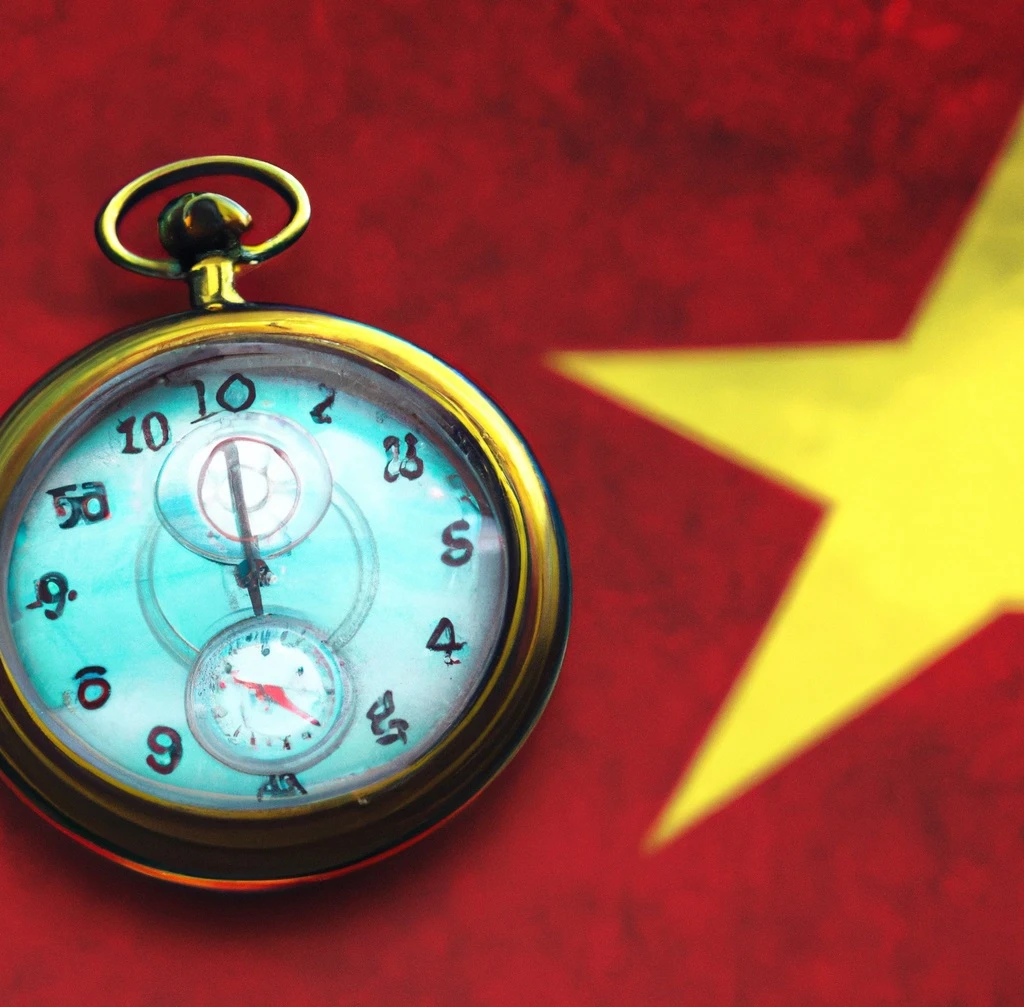
How is the concept of time valued in Vietnam compared to many other countries?
The concept of time in Vietnam, like in many other countries, is influenced by cultural, social, and historical factors. While it is important to avoid generalizations, I can provide you with some insights into how time is valued in Vietnamese culture, recognizing that there can be variations among individuals and regions.
Flexible Perception of Time: Vietnamese culture tends to have a more flexible perception of time compared to some Western cultures, where punctuality and strict adherence to schedules are highly emphasized.
In Vietnam, it is not uncommon for people to arrive a bit late to social gatherings or appointments. This can be attributed to the more relaxed and communal nature of Vietnamese society.
Emphasis on Relationships: Vietnamese culture places a strong emphasis on interpersonal relationships and social interactions. As a result, people may prioritize spending time with family, friends, and colleagues over strictly adhering to a rigid schedule. Building and maintaining harmonious relationships often take precedence over punctuality.
Sense of Present Moment: Vietnamese culture values the present moment, focusing on enjoying the current experience rather than constantly planning for the future. This can be seen in everyday activities like leisurely enjoying meals, engaging in conversations, and savoring the simple joys of life.
While future planning is still important, there is a tendency to embrace and appreciate the present.
Cultural Events and Festivals: Vietnam has a rich tradition of festivals and cultural events throughout the year. These occasions often involve elaborate preparations, rituals, and celebrations that can span several days. The cultural significance of these events reinforces the idea of taking time to appreciate traditions, honor ancestors, and reconnect with community roots.
Changing Perspectives: It’s important to note that Vietnam, like many countries, has experienced social and economic changes in recent decades. With globalization and modernization, there is an increasing influence of Western values and a shift towards more punctuality and efficiency, particularly in urban areas and business settings.
Flexible Perception Of Time
In Vietnamese culture, the perception of time can be characterized as more flexible compared to some Western cultures. Here are some key aspects that contribute to this flexible perception:
Relaxed Punctuality: Vietnamese people may have a more relaxed attitude towards punctuality, particularly in informal or social settings. It is not uncommon for events or meetings to start a little later than scheduled. This flexibility is rooted in the cultural value of prioritizing relationships and allowing for more organic, relaxed interactions.
Fluid Timeframes: Vietnamese people may have a more fluid concept of time, allowing for adjustments and changes in plans. Schedules and appointments are often seen as guidelines rather than rigid frameworks. This flexibility allows for spontaneous gatherings and adjustments based on the needs and preferences of individuals or the group.
Concept of “Rubber Time”: The Vietnamese phrase “giờ cao su” (rubber time) encapsulates the flexible perception of time. It implies that time can stretch or contract depending on circumstances and that delays or adjustments are expected. While this notion may not be explicitly articulated, it reflects the cultural understanding that time can be elastic and subject to change.
Focus on Relationships and Harmony: Vietnamese culture places a strong emphasis on maintaining harmonious relationships. This value often takes precedence over strict adherence to schedules or punctuality. People may prioritize building connections, engaging in conversations, and fostering a sense of camaraderie, even if it means deviating from predetermined timelines.
Contextual Considerations: The flexible perception of time in Vietnam also takes into account the context and nature of the event or situation. Formal and professional settings may demand more punctuality and adherence to schedules, especially in urban areas or corporate environments influenced by global practices.
However, in informal settings or rural areas, a more relaxed approach to time is often observed.
“Giờ Cao Su” Or “Rubber Time”
“Giờ cao su” or “rubber time” is a Vietnamese phrase that represents the flexible perception of time in Vietnam and its culture. It reflects the understanding that time can stretch or contract depending on circumstances and that delays or adjustments are expected. Here are some key points to elaborate on the concept of “giờ cao su” or “rubber time”:
Elasticity of Time: The term “rubber time” suggests that time is malleable and can be stretched or compressed based on various factors. It acknowledges that unexpected delays, changes, or extensions are common and should be accommodated rather than strictly adhering to fixed schedules.
Informal Social Settings: “Rubber time” is often associated with informal social gatherings, such as meetings with friends, family gatherings, or casual outings. In these situations, people tend to have a more relaxed attitude towards punctuality and may not strictly adhere to the exact starting or ending times.
The understanding is that the event will begin when everyone is present and ready.
Flexibility and Adaptability: The concept of “rubber time” emphasizes flexibility and adaptability in managing time. It recognizes that unexpected circumstances, traffic, or delays may occur, and individuals are expected to adjust their plans accordingly. It allows for spontaneous changes, adjustments, and accommodating others’ needs or preferences without causing undue stress or conflict.
Group-Centered Approach: “Rubber time” reflects the group-centered nature of Vietnamese culture, where the needs and harmony of the collective are often prioritized. People may wait for others to arrive, allowing for a more inclusive and participatory experience. The focus is on fostering a sense of togetherness and camaraderie, even if it means deviating from strict timelines.
Respect for Relationships: While “rubber time” allows for flexibility, it does not imply a disregard for others’ time or a lack of respect. Rather, it recognizes the importance of relationships and acknowledges that unexpected circumstances can affect punctuality. Communicating about delays or changes in plans is still considered polite and respectful.
Focus On Relationships And Harmony
In regards to time in Vietnam, the focus on relationships and harmony greatly influences how time is perceived and valued. Here are some key points to elaborate on the relationship between time and the focus on relationships and harmony:
Building and Nurturing Relationships: Vietnamese culture places a strong emphasis on building and nurturing relationships. Time is seen as an essential component in cultivating and maintaining these relationships. People are willing to invest time in social interactions, conversations, and gatherings to strengthen connections and foster a sense of community.
Flexible Time for Socializing: Vietnamese people prioritize socializing and spending time with others, often allocating more time for social interactions than strictly following a rigid schedule. It is common for meetings and gatherings to extend beyond the originally planned duration, as the focus is on enjoying each other’s company and building rapport.
This flexible approach allows for organic and meaningful interactions.
Respect for Social Hierarchy: Vietnamese society traditionally places importance on social hierarchy and respect for elders. This respect often translates into allocating more time for listening to the wisdom and experiences of older individuals. Conversations and interactions may proceed at a slower pace to ensure everyone’s voices are heard, fostering a harmonious and respectful atmosphere.
Collective Decision-Making: In Vietnamese culture, decisions are often made collectively, especially within families and communities. This process can take time as individuals discuss and consider various viewpoints before reaching a consensus. The focus is on ensuring harmony and maintaining strong relationships rather than rushing to make quick decisions.
Avoiding Conflict and Preserving Face: Vietnamese culture values maintaining harmony and avoiding conflict. This can influence how time is managed in interpersonal relationships. People may take extra time to communicate carefully, choosing their words thoughtfully to avoid misunderstandings or offense.
The aim is to preserve “face” or social reputation, ensuring that relationships remain harmonious.
Patience and Adaptability: The focus on relationships and harmony in Vietnamese culture is often accompanied by patience and adaptability. Individuals may be more willing to accommodate others’ needs or adjust their schedules to maintain positive relationships. This flexibility allows for the resolution of conflicts and the promotion of harmonious interactions.
Sense Of The Present Moment
The sense of the present moment in Vietnamese culture reflects a focus on living in and appreciating the current experience rather than constantly planning for the future. Here are some key points to elaborate on the concept of the present moment in Vietnamese culture:
Mindfulness and Mindful Living: Vietnamese culture emphasizes the practice of mindfulness, which involves being fully aware and present in the current moment. Mindfulness encourages individuals to engage their senses, be conscious of their thoughts and emotions, and appreciate the richness of their immediate surroundings.
This practice allows people to fully experience and savor the present moment.
Enjoying Simple Pleasures: Vietnamese culture places value on finding joy and contentment in simple things. This can be seen in everyday activities such as enjoying a leisurely meal with family or friends, taking a moment to appreciate the beauty of nature, or engaging in conversations and personal connections.
There is an appreciation for the small moments of happiness that can be found in daily life.
Balancing Work and Leisure: While work and productivity are important, Vietnamese culture recognizes the importance of leisure and relaxation. People often take breaks throughout the day to enjoy a cup of tea, engage in social interactions, or simply pause to rest and rejuvenate.
This balance between work and leisure allows individuals to recharge and be more present in their activities.
Connection with Nature: Vietnamese culture has a deep connection with nature, and this connection influences the sense of the present moment. People may take time to visit natural landscapes, engage in outdoor activities, or simply sit in a peaceful environment to enjoy the serenity and beauty of nature.
This connection helps foster a sense of grounding and appreciation for the present.
Letting Go of Worries: Vietnamese culture encourages the practice of letting go of worries and focusing on the present moment. While planning for the future is still important, excessive worry or anxiety about the future is seen as counterproductive. There is a cultural value placed on embracing the present and trusting that things will unfold as they should.
Changing Perspectives In Regards To Time With National Development
With increased development in Vietnam, there have been notable changes in perspectives regarding time. Here are some key points to elaborate on changing perspectives on time due to increased development:
Emphasis on Efficiency: As Vietnam undergoes economic development, there is a growing emphasis on efficiency and productivity. This is particularly evident in urban areas and professional settings. With increased exposure to global business practices and competition, punctuality and adherence to schedules have become more valued.
People are expected to be punctual for meetings, appointments, and work-related engagements.
Adoption of Western Time Standards: As Vietnam integrates more with the global economy, Western time standards and practices are increasingly adopted. This includes the use of precise schedules, fixed appointment times, and strict adherence to deadlines.
The influence of multinational companies and foreign business practices has contributed to a more time-sensitive approach, especially in urban areas and certain industries.
Time Management Skills: With the demands of a fast-paced society, there is a growing recognition of the importance of effective time management. As individuals navigate busy schedules, they are seeking strategies and tools to prioritize tasks, set goals, and manage their time efficiently. Time management workshops, productivity apps, and other resources are becoming more popular.
Shift in Work-Life Balance: The changing perspectives on time in Vietnam’s development have also led to a reevaluation of work-life balance. While traditional values may have emphasized working long hours and prioritizing work commitments, there is a growing awareness of the importance of leisure time, family, and personal well-being.
Efforts to achieve a better balance between work and personal life are being made, with increased value placed on leisure activities and quality time with loved ones.
Impact on Traditional Practices: The increased development and changing perspectives on time have had an impact on traditional practices in Vietnam. Some cultural events and festivals, which were historically more flexible in terms of timing, have become more scheduled and structured to accommodate changing lifestyles and urbanization.
This shift reflects the evolving perspectives and priorities of the younger generations.


Leave a Reply