 by Webmaster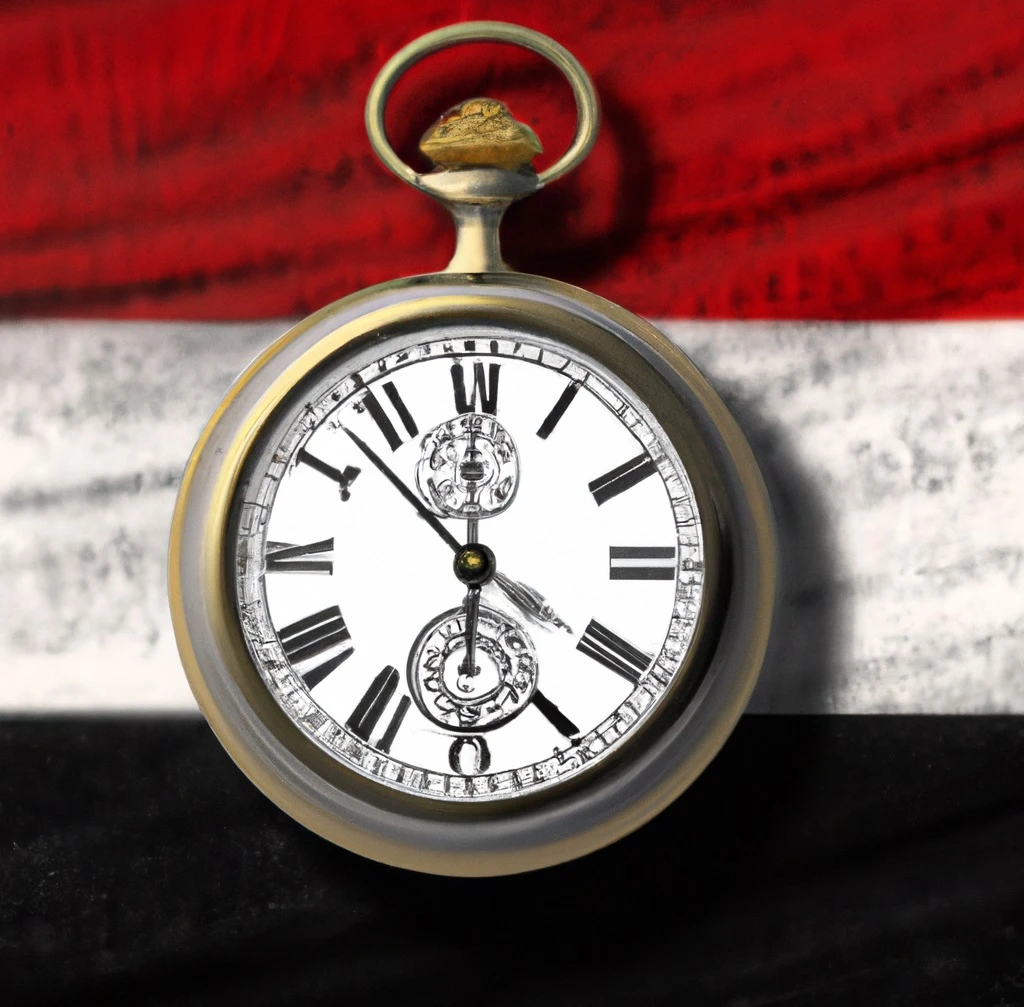
How is the concept of time valued in Egypt compared to many other countries?
The concept of time in Egypt is generally valued in a manner that shares similarities with many other countries around the world. However, there are some cultural nuances and practices that might differ. Here are five ways in which the concept of time is valued in Egypt:
Relaxed Attitude: Egyptians, similar to many other Mediterranean and Middle Eastern cultures, tend to have a more relaxed attitude towards time. Punctuality is important but not always strictly adhered to. It is not uncommon for events or meetings to start a bit later than scheduled.
Flexibility in Schedules: Egyptians often demonstrate a certain flexibility when it comes to time management. They might be more open to adjusting schedules or accommodating last-minute changes, especially in social or informal settings.
Respect for Religious Time: Egypt has a predominantly Muslim population, and Islamic prayers and rituals are an integral part of daily life. The five daily prayers, as well as the observance of Friday as a holy day, hold significance in shaping the rhythm of people’s lives.
Concept of “Egyptian Time”: The phrase “Egyptian Time” is sometimes used humorously to describe a tendency to run late or take a more leisurely approach to time management. It reflects the cultural understanding that strict adherence to schedules is not always the highest priority.
Importance of Family and Socializing: Egyptians place a strong emphasis on social relationships and family ties. As a result, they may prioritize spending time with loved ones and engaging in social activities over strict adherence to time. Gatherings and events often involve extended periods of conversation, which may contribute to a more relaxed perception of time.
“Egyptian Time”
The concept of “Egyptian Time” refers to the cultural perception and practice of time in Egypt, which is often characterized by a more relaxed and flexible approach to punctuality and schedules. While it is important to note that not all Egyptians adhere to this concept, it has become a common stereotype or cultural observation.
Flexible Schedules: Egyptians are known for their flexibility in scheduling. They might be more open to rescheduling or adjusting plans at the last minute, which can result in delays or a less strict adherence to set timelines. This flexibility is often attributed to the value placed on personal relationships and the understanding that unforeseen circumstances can arise.
Relaxed Punctuality: Being precisely on time is not always seen as the highest priority in Egyptian culture. While there are certainly instances where punctuality is expected, such as professional or formal settings, there is a more relaxed attitude towards lateness in many social and informal contexts.
It is not uncommon for events or meetings to start later than scheduled, with a grace period allowed for attendees to arrive.
Social Interaction: Egyptians highly value social interactions and prioritize spending time with others. Engaging in conversations, sharing stories, and connecting with family and friends often takes precedence over strict adherence to time. As a result, gatherings can extend for longer durations, and people may lose track of time while enjoying each other’s company.
Traffic and Infrastructure: Egypt’s bustling cities, like Cairo, can face significant traffic congestion and unpredictable transportation systems. This factor often contributes to delays and challenges in estimating travel times accurately.
The prevalence of such traffic conditions has influenced the cultural perception of time, recognizing that unforeseen circumstances beyond one’s control can cause delays.
Balancing Priorities: Egyptians often strive to strike a balance between work and personal life, with a focus on well-being, relationships, and leisure. This emphasis on maintaining a harmonious lifestyle can sometimes result in a more relaxed attitude towards punctuality, as personal and social commitments are given importance alongside professional obligations.
Respect For Religious Time
In Egypt, there is a strong respect for religious time due to the predominant Islamic culture and the significance of Islamic practices in people’s lives. Here’s further elaboration on the respect for religious time in Egypt:
Five Daily Prayers: Islam prescribes five daily prayers at specific times throughout the day: Fajr (dawn), Dhuhr (midday), Asr (afternoon), Maghrib (sunset), and Isha (night). Muslims in Egypt, like in many other Muslim-majority countries, adhere to these prayer times and make an effort to pause their activities to perform their prayers.
The adhan (call to prayer) can be heard from mosques, signaling the time for prayer, and it is common for people to pause their work or daily routine to fulfill this religious obligation.
Friday Prayers: Friday is considered a special day for Muslims, and the midday prayer on Fridays, known as Jumu’ah, holds particular importance. Muslims gather in mosques to listen to a sermon (khutbah) delivered by an imam and engage in congregational prayer.
Many people prioritize attending Friday prayers, and businesses and institutions often adjust their schedules to accommodate this religious observance.
Ramadan and Fasting: The holy month of Ramadan is highly respected in Egypt and is observed by the majority of Muslims. During this month, Muslims fast from dawn until sunset, refraining from eating, drinking, and other physical needs.
The timing of meals and daily activities adjusts to the fasting period, with suhoor (pre-dawn meal) and iftar (meal to break the fast) being significant times for communal and family gatherings.
Religious Festivals and Occasions: Egypt celebrates several religious festivals, such as Eid al-Fitr and Eid al-Adha, which hold great cultural and religious significance. During these occasions, people prioritize spending time with family and loved ones, attending special prayers at mosques, and engaging in acts of charity.
The timing and rituals associated with these festivals are respected and followed by the Muslim population.
Cultural Influence: Islamic traditions and practices have significantly shaped Egyptian culture and society. The respect for religious time permeates various aspects of daily life, including work schedules, social events, and personal commitments. People understand the importance of accommodating religious obligations and often make arrangements accordingly.
Importance Of Family And Socializing
The importance of family and socializing in Egypt can have implications for the concept of time. Here’s how it relates:
Extended Gatherings: Family gatherings and social events in Egypt often involve extended periods of socializing, conversations, and shared meals. These gatherings can be time-consuming, as people prioritize spending quality time with their loved ones.
As a result, events may start later than scheduled or extend beyond the expected duration, as the focus is on enjoying the company of family and friends.
Flexible Timeframes: Egyptians tend to have a more flexible approach to time when it comes to family and social engagements. Punctuality is important, but there is often an understanding that gatherings might start a bit later than planned, as people may arrive gradually.
This flexibility allows for accommodating the diverse schedules and responsibilities of family members and friends, enabling everyone to participate in the social event.
Relaxed Time Constraints: In family and social settings, Egyptians may prioritize the quality of interactions over strict adherence to time constraints. Engaging in conversations, sharing stories, and enjoying leisurely activities take precedence. There is often a sense of freedom from rigid time structures, allowing for more organic and unhurried social connections.
Balancing Commitments: Egyptians understand the importance of balancing various commitments, including work, personal life, and social engagements. While punctuality is valued, there is also recognition that spending time with family and friends is essential for well-being and maintaining social ties.
This can lead to a more flexible approach to time, as individuals strive to strike a balance between their obligations and social interactions.
Emphasis on Relationships: The importance placed on family and socializing means that Egyptians prioritize investing time in building and nurturing relationships. This may involve regularly visiting relatives, attending social events, or engaging in community activities.
The cultural value placed on these relationships influences the perception of time, as it is seen as an essential component of a fulfilling life.
Summarize Egypt In Regards To Time
In Egypt, the concept of time varies in secular and religious settings. Here’s a summary of how time is perceived and valued in each context:
Secular Settings:
Relaxed Attitude: Egyptians often have a more relaxed approach to time in secular settings. Punctuality is important but not strictly adhered to, and there is a certain flexibility in schedules.
Balancing Priorities: Egyptians strive to strike a balance between work and personal life, and this can influence their perception of time. They may be more open to adjusting schedules or accommodating last-minute changes.
“Egyptian Time”: The concept of “Egyptian Time” humorously highlights the tendency to run late or take a leisurely approach to time. This cultural understanding acknowledges that strict adherence to schedules is not always the highest priority.
Religious Settings:
Respect for Religious Time: In religious settings, particularly in Islam, there is a strong respect for religiously prescribed times and rituals. Muslims in Egypt adhere to specific prayer times and make efforts to pause their activities for prayer.
Observance of Holy Days: Religious occasions such as Fridays (Jumu’ah) and religious festivals hold significant importance. People prioritize attending prayers at mosques and may adjust their schedules to accommodate these religious obligations.
Influence of Rituals: Islamic practices and rituals shape the perception of time in religious settings. Fasting during Ramadan, attending religious ceremonies, and engaging in acts of worship impact the organization of time and daily routines.
It’s important to note that these summaries provide general observations, and individual attitudes and practices can vary within each setting. The concept of time in Egypt is multifaceted, influenced by cultural, social, and religious factors.



Leave a Reply