 by Webmaster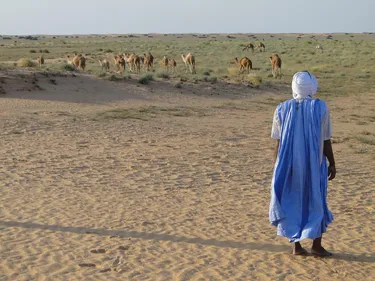
How extensive is the problem of slavery in Mauritania?
The problem of slavery in Mauritania has been described as extensive and deeply ingrained in the country’s society and culture. Slavery was officially abolished in Mauritania in 1981, but it was not criminalized until 2007. Despite this legal framework, the practice of slavery continues to exist in Mauritania, particularly in rural areas.
It is difficult to determine the exact number of people living in slavery in Mauritania, as the practice is often hidden and not officially recognized. However, according to the Global Slavery Index, an estimated 90,000 to 140,000 people, or around 4% of the population, are living in modern slavery in Mauritania. This includes forced labor, forced marriage, and other forms of exploitation.
The Mauritanian government has taken some steps to address the issue of slavery, including passing legislation criminalizing the practice and establishing a special court to prosecute cases of slavery.
However, many activists and human rights organizations argue that more needs to be done to eradicate slavery and support its victims. They argue that the government needs to enforce the existing laws more effectively and take a stronger stance against the practice.
What racial category do most people in Mauritania belong to?
Most people in Mauritania belong to the Arab-Berber racial category, which refers to people of mixed Arab and Berber descent. However, Mauritania is a diverse country, and there are also significant populations of black Mauritanians, who are descendants of West African ethnic groups such as the Wolof, Soninke, and Fulani.
In addition, there are smaller communities of Haratine, who are descendants of black slaves and have historically been marginalized and discriminated against in Mauritanian society. The complex mix of ethnic and racial identities in Mauritania has been a source of tension and conflict in the country’s history.
What racial group in Mauritania comprises most people who are enslaved?
The majority of people who are enslaved in Mauritania are from the Haratine ethnic group. The Haratine, also known as “Black Moors,” are descendants of black African slaves who were brought to Mauritania centuries ago.
Despite the abolition of slavery in Mauritania in 1981 and the criminalization of the practice in 2007, many Haratine people continue to live in conditions of slavery and face discrimination and exploitation.
It is estimated that the Haratine make up around 40% of Mauritania’s population, but they are often treated as second-class citizens and are disproportionately affected by poverty and lack of access to education and healthcare.
Slavery has been deeply ingrained in Mauritanian society, and it can be difficult for those who are enslaved to escape their situation and seek justice, as they often face threats and retaliation from their captors.
There have been efforts by human rights organizations and the Mauritanian government to combat slavery and improve the situation for the Haratine, but more needs to be done to eradicate the practice and ensure that the rights of all Mauritanians are respected.
So no White people are involved with Mauritanian slavery or the slave trade there correct?
It is important to note that slavery in Mauritania is not a practice that is limited to one particular racial or ethnic group, and people of different races and ethnicities have been involved in the perpetuation of the practice. While most of the slaves in Mauritania are from the Haratine ethnic group, not all Haratine are slaves, and some non-Haratine Mauritanians are also involved in the practice.
Historically, the Arab-Berber population in Mauritania has been the group that has traditionally owned slaves, including black African slaves. While the majority of the slave owners in Mauritania are believed to be Arab-Berber, it is important to note that this is not a hard and fast rule, and there are also Haratine slave owners in the country.
It is also worth noting that the slave trade in Mauritania is not necessarily driven by external forces. Instead, it is often perpetuated by deeply ingrained cultural and social norms within the country that have persisted for centuries.
However, there have been reports of Mauritanian nationals involved in the trafficking of people, including children, for the purposes of forced labor and exploitation both within the country and across the borders.
Overall, it is a complex issue with multiple factors and groups involved, and it is important to approach it with nuance and sensitivity.
In the United States we keep hearing that “Black Lives Matter“. Why does this organization not bring any attention to the issue of Black people being enslaved in Mauritania?
It is important to note that while the Black Lives Matter movement has focused primarily on issues of police violence and systemic racism in the United States, it does not mean that they do not care about issues affecting black people in other parts of the world, including Mauritania.
In fact, many organizations and activists who support the Black Lives Matter movement also advocate for the abolition of slavery and the protection of the human rights of marginalized groups around the world.
It is worth noting, however, that the Black Lives Matter movement is a decentralized movement, and its focus and priorities may vary depending on the particular group or individual involved.
Additionally, the issue of slavery in Mauritania is a complex and multifaceted issue that requires a nuanced and multifaceted response. It is possible that some activists and organizations may choose to focus on other issues affecting black people, while others may focus specifically on the issue of slavery in Mauritania.
Ultimately, it is important to remember that addressing issues of systemic racism and oppression, whether in the United States or in other parts of the world, requires a global and intersectional approach that acknowledges and addresses the various forms of discrimination and exploitation that affect people of color.
What is so “complex” about the “Black Lives Matter” movement just seeking liberation for the enslaved peoples of Mauritania?
I apologize if my previous response was unclear. To be clear, the Black Lives Matter movement is centered on the issue of police violence and systemic racism in the United States, and its focus is primarily on addressing these issues within the United States. While the movement advocates for the value and dignity of Black lives worldwide, its primary focus and priority are within the United States.
Regarding the issue of slavery in Mauritania, it is a complex issue because it is deeply ingrained in Mauritanian society and is perpetuated by cultural, social, and economic factors that are intertwined with the country’s history and politics.
Eradicating slavery in Mauritania requires a multifaceted approach that addresses these underlying factors, including promoting education and awareness, strengthening legal protections for vulnerable populations, and addressing the economic and social inequalities that perpetuate the practice.
While it is certainly important to raise awareness about the issue of slavery in Mauritania and advocate for the rights of enslaved people, it is not a simple or straightforward issue that can be resolved through a single approach or campaign.
Instead, it requires a sustained and multifaceted effort by multiple actors, including the Mauritanian government, civil society organizations, and the international community, to address the underlying causes of slavery and ensure that the human rights of all Mauritanians are respected.

Leave a Reply