 by Webmaster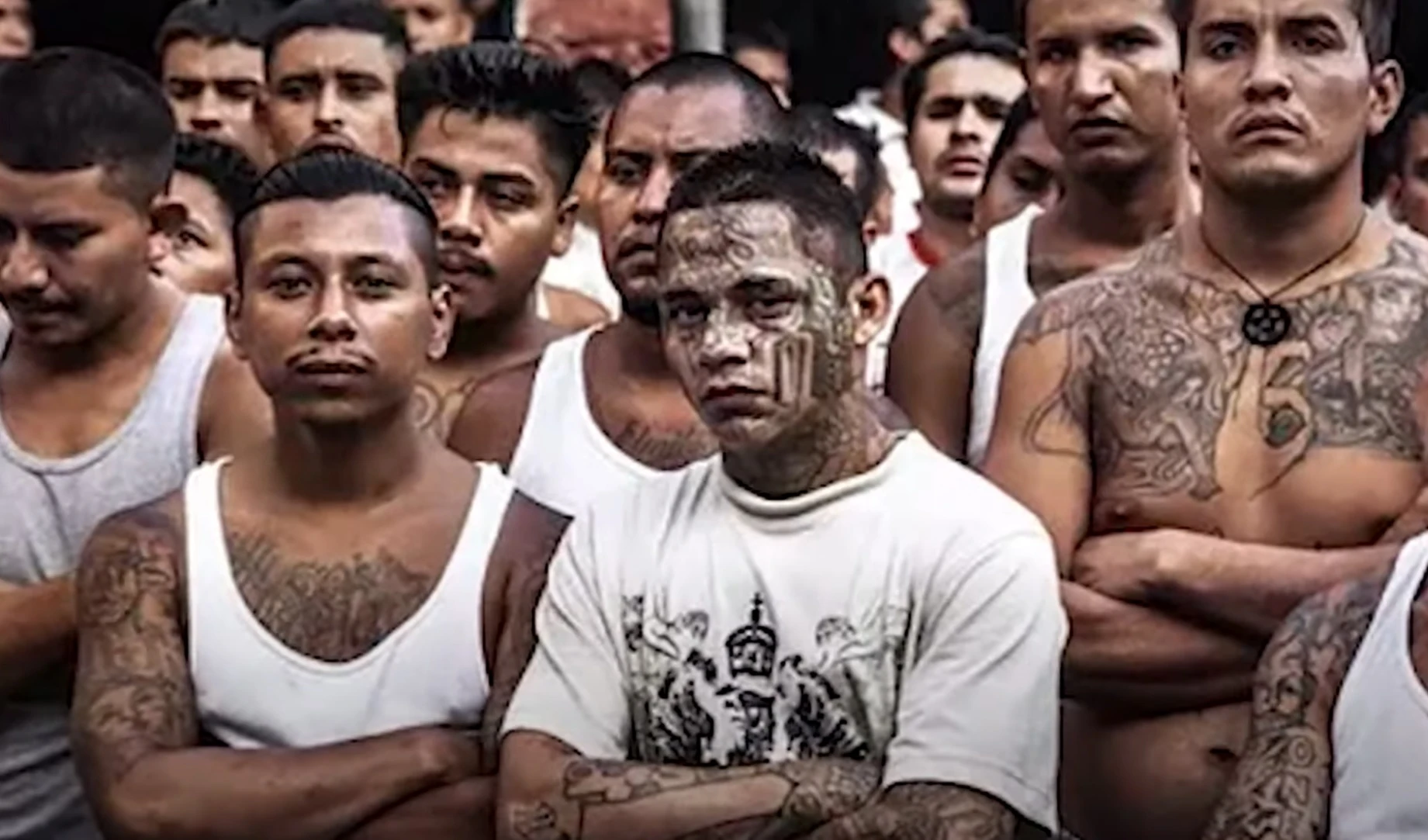
Give an overview of the MS-13 and 18th Street gangs in El Salvador.
The Mara Salvatrucha (MS-13) and the 18th Street gangs are two of the most notorious criminal organizations in El Salvador, with a long history of violence and criminal activity. Both gangs originated in Los Angeles, California, in the 1980s, among Salvadoran immigrants, but have since spread to other countries in Central America and beyond.
The MS-13 and 18th Street gangs are both heavily involved in drug trafficking, extortion, and other criminal activities. They are known for their brutality and are responsible for many violent crimes, including murder, rape, and kidnapping. These gangs have also been known to engage in turf wars, leading to violent confrontations with rival gangs.
The MS-13 and 18th Street gangs have a hierarchical structure, with leaders known as “shot callers” who control different areas or “cliques” of the gang. Members are often required to commit violent acts in order to gain entry and advance within the gang. Many members are young, and the gangs often target vulnerable youth for recruitment.
In recent years, the Salvadoran government has taken strong measures to crack down on these gangs, including enacting tough anti-gang laws and deploying the military to assist police in combating gang violence. Despite these efforts, the MS-13 and 18th Street gangs continue to be a major source of crime and violence in El Salvador, contributing to the country’s high homicide rate and pervasive sense of insecurity.
Why do they not exist as one organization, and why is their mutual relationship antagonistic?
The MS-13 and 18th Street gangs originated in different neighborhoods of Los Angeles and were formed at different times, with different leaders and ideologies. As a result, they developed distinct identities and rivalries, which have persisted despite their expansion into other countries.
Additionally, the gangs have different origins and cultures. The MS-13 gang was formed by Salvadoran immigrants who fled their country during the civil war, and their identity is largely tied to their Salvadoran heritage.
On the other hand, the 18th Street gang was formed by a mix of Central American immigrants, including Salvadorans, Guatemalans, and Hondurans, and their identity is more tied to their neighborhood or “barrio” in Los Angeles.
The mutual relationship between the MS-13 and 18th Street gangs is antagonistic, and they are known to be bitter rivals. The two gangs have been involved in numerous turf wars, which have resulted in many deaths and injuries on both sides. Some of the reasons for this antagonism include disputes over territory, drug trafficking, and respect.
Furthermore, the gangs have different initiation rituals and codes, which contribute to their mutual animosity. For example, the MS-13 gang requires its members to be “jumped in,” which involves being beaten by other gang members for 13 seconds, while the 18th Street gang requires a more extensive initiation process.
Overall, while there may be some overlap in their criminal activities, the MS-13 and 18th Street gangs have distinct identities, rivalries, and cultures that have contributed to their separate existence and antagonistic relationship.
Why does MS-13 require its members to be “jumped in”?
The MS-13 gang requires its members to be “jumped in” as part of its initiation process. This involves being physically beaten by other gang members for a set period of time, usually 13 seconds, as a way to test the new member’s loyalty and commitment to the gang.
The idea behind the “jumping in” ritual is to demonstrate that the new member is willing to endure pain and suffering for the sake of the gang. It is also seen as a way to build camaraderie and a sense of solidarity among gang members, who are bound together by a shared experience of violence.
Additionally, the ritual serves as a way to weed out potential informants or “snitches” who may not be willing to endure the physical abuse. It is believed that those who are able to withstand the “jumping in” process are less likely to betray the gang in the future.
The “jumping in” ritual is not unique to MS-13 and is practiced by other gangs as well. However, it is a controversial practice that has been criticized for promoting violence and perpetuating a cycle of gang activity. It is also a dangerous and potentially deadly process, as some initiations have resulted in severe injuries or even death.
Are new MS-13 members often hospitalized or rendered physically incapacitated for a long time after their “jumping in”?
Yes, it is not uncommon for new MS-13 members to be hospitalized or rendered physically incapacitated for a period of time after their “jumping in” initiation ritual. The beatings can be quite severe, and some members may suffer broken bones, internal injuries, or other serious injuries as a result.
In some cases, the beatings can be so severe that the new member may require hospitalization or a long period of recovery before they are able to fully participate in gang activities. This can be especially true for younger or smaller members who may be targeted for more intense beatings in order to prove their loyalty to the gang.
It is important to note that the “jumping in” ritual is a form of hazing and is illegal under most laws. It is a violent and dangerous practice that can result in serious injuries or even death. Furthermore, the initiation rituals of MS-13 and other gangs are a part of a larger pattern of violence and criminal activity that are harmful to individuals, families, and communities.
By comparison, what is the more extensive initiation process with the 18th Street gang?
The initiation process for the 18th Street gang, also known as M18 or Barrio 18, is more extensive and involves several stages that can take several months to complete. The process can vary depending on the particular clique or region of the gang, but typically involves the following:
- Prospecting: The first stage of the initiation process involves the prospective member, or “prospect,” being evaluated by senior gang members to determine if they are a good fit for the gang. Prospects may be required to prove their loyalty by participating in gang activities, such as drug trafficking or theft.
- Training: Once a prospect is accepted into the gang, they must complete a training period in which they learn the gang’s codes, symbols, and rituals. This can involve attending meetings and undergoing physical training.
- Commitment: The final stage of the initiation process requires the new member to commit a violent crime or act of loyalty to the gang. This could involve participating in a drive-by shooting or assaulting a rival gang member.
The 18th Street gang also has a strict code of conduct that members must follow, including strict rules around drug use and alcohol consumption. Members who violate these rules or fail to follow the gang’s directives can be subject to punishment, including physical violence or expulsion from the gang.
Overall, the initiation process for the 18th Street gang is more involved and extensive than the “jumping in” ritual used by the MS-13 gang. It is designed to test a new member’s loyalty and commitment to the gang, while also training them in the gang’s codes and rituals.
What are 18th Street’s drug use and alcohol consumption rules?
The 18th Street gang has strict rules regarding drug use and alcohol consumption among its members. The gang forbids its members from using drugs, including marijuana and alcohol, except in specific circumstances and under certain conditions.
These rules are designed to maintain discipline and prevent members from engaging in behavior that could compromise the gang’s operations or bring unwanted attention from law enforcement.
Specifically, 18th Street members are prohibited from using drugs or alcohol in the following circumstances:
- During a gang meeting or activity.
- While carrying out gang business or committing a crime.
- In a public place or around non-gang members.
- In a way that could compromise the gang’s operations or put members at risk.
In some cases, members may be allowed to use drugs or alcohol under certain conditions, such as to celebrate a successful operation or to bond with other members. However, such use must be approved by senior members and is strictly regulated.
Members who violate the gang’s drug use and alcohol consumption rules can be subject to punishment, including fines, physical violence, or expulsion from the gang. The gang’s leadership takes these rules seriously and enforces them to maintain discipline and ensure the safety of its members.
Why do both of these gangs tattoo themselves so heavily? Wouldn’t it be wiser to not leave obvious marks to law enforcement?
Both MS-13 and 18th Street gang members tattoo themselves heavily as a way to display their gang affiliation and loyalty. Tattoos serve as a form of identification, signaling to other gang members and rivals that they belong to a particular gang and are committed to its values and codes.
For gang members, tattoos are a powerful symbol of identity and belonging, and they are often viewed as a rite of passage or a way to mark one’s commitment to the gang. Gang tattoos can include the gang’s name, symbols, or other identifying marks, and are typically placed in visible areas of the body, such as the face, neck, or arms.
While tattoos may seem like an obvious way for law enforcement to identify gang members, many gang members are aware of this and take steps to conceal their tattoos or get them removed. However, for some gang members, the risk of being identified by law enforcement is outweighed by the importance of displaying their gang affiliation and loyalty.
Additionally, for some gang members, the threat of being identified by law enforcement may even be seen as a badge of honor or a sign of their commitment to the gang. In some cases, gang members may even view their tattoos as a way to intimidate law enforcement or assert their power over rivals.
Overall, the decision to tattoo oneself as a gang member is a complex one that is driven by a variety of factors, including the desire for identity, belonging, and power. While tattoos may make it easier for law enforcement to identify gang members, for many gang members, the benefits of displaying their gang affiliation outweigh the risks.
Do gang members tend to leave their organization once they reach a certain age?
Many gang members tend to leave their organization once they reach a certain age, often due to changing life circumstances or a desire to leave the gang lifestyle behind. The age at which gang members leave can vary depending on a variety of factors, such as the gang’s structure, the individual’s role within the gang, and their personal circumstances.
In some cases, gang members may leave their organization in their early to mid-20s, as they begin to establish families or pursue other goals outside of the gang. In other cases, gang members may remain involved in the gang for several decades or even their entire lives.
However, leaving a gang can be difficult, as gang members are often subjected to threats, violence, and other forms of retaliation if they attempt to leave. Some gang members may also face significant barriers to leaving, such as a lack of education or job opportunities, or a criminal record that makes it difficult to find employment.
Despite these challenges, many former gang members have been able to successfully leave their organizations and rebuild their lives. This often requires significant support from family, friends, and community organizations, as well as a willingness to distance oneself from the gang lifestyle and seek out positive opportunities for personal growth and development.
What is a common age range for active MS-13 and 18th Street gang members?
The age range for active MS-13 and 18th Street gang members can vary depending on a variety of factors, such as the location of the gang, the gang’s structure, and the individual’s role within the gang. However, in general, gang members tend to be in their teens or early twenties.
In the case of MS-13, many members are recruited while they are still in high school or shortly thereafter, with the average age of initiation around 15-16 years old. Once a member is initiated, they are expected to remain active in the gang for life, although some members may leave or become less active as they get older.
Similarly, 18th Street gang members tend to be in their late teens or early twenties, although the gang has been known to recruit members as young as 12 years old. Like MS-13, 18th Street gang members are expected to be loyal to the gang for life, although some may leave or become less active as they get older.
It is important to note, however, that the age range for gang members can vary widely, and there are examples of older individuals joining or remaining active in gangs well into their thirties, forties, or beyond. Additionally, some gangs have been known to recruit members from a wide range of age groups, including children and older adults.
Is there any data on the average age of these gang members in El Salvador prisons?
According to some reports, the average age of gang members in El Salvador’s prisons is relatively young, with many inmates in their late teens or early twenties. The exact age range can vary depending on the specific prison and the gang involved, but in general, gang members tend to be young and from marginalized communities.
In recent years, El Salvador’s prison system has been overwhelmed by gang-related violence and overcrowding, with many inmates living in squalid conditions and facing significant health and safety risks.
According to a 2019 report by Human Rights Watch, many young gang members in El Salvador’s prisons face significant barriers to accessing education, healthcare, and other basic services, which can make it difficult for them to reintegrate into society once they are released.
The exact age range and demographics of gang members in El Salvador’s prisons can be difficult to determine, as data on gang activity and membership is often fragmented or incomplete.
However, it is clear that many of the individuals caught up in El Salvador’s gang violence are young people from marginalized communities, and addressing the root causes of gang activity and violence remains a significant challenge for the country.
List reasons why MS-13 and 18th Street gang members are often placed in the same holding cells in prison?
There are several reasons why MS-13 and 18th Street gang members are often placed in the same holding cells in prison:
- Overcrowding: El Salvador’s prisons are often overcrowded and understaffed, which means that inmates are frequently housed in close quarters regardless of their gang affiliation.
- Security concerns: Prison officials may believe that separating rival gang members will lead to increased violence and conflict within the prison, and may therefore choose to house them together in an effort to maintain order.
- Limited resources: Many of El Salvador’s prisons lack the resources and infrastructure necessary to house inmates according to their gang affiliation, which means that gang members are often housed together out of necessity.
- Gang alliances: While MS-13 and 18th Street are known to be rivals, there have been instances where members of the two gangs have formed alliances or worked together for mutual gain. In such cases, prison officials may choose to house members of both gangs together in an effort to prevent these alliances from forming.
- Corruption: In some cases, prison officials may be complicit in allowing members of different gangs to mix together in order to facilitate illicit activities such as drug trafficking or extortion.
It is important to note, however, that housing MS-13 and 18th Street gang members together can also lead to increased violence and conflict within the prison, and can make it more difficult to rehabilitate and reintegrate these individuals into society. As such, efforts to improve prison conditions and address the root causes of gang violence in El Salvador remain critical.



Leave a Reply