 by Webmaster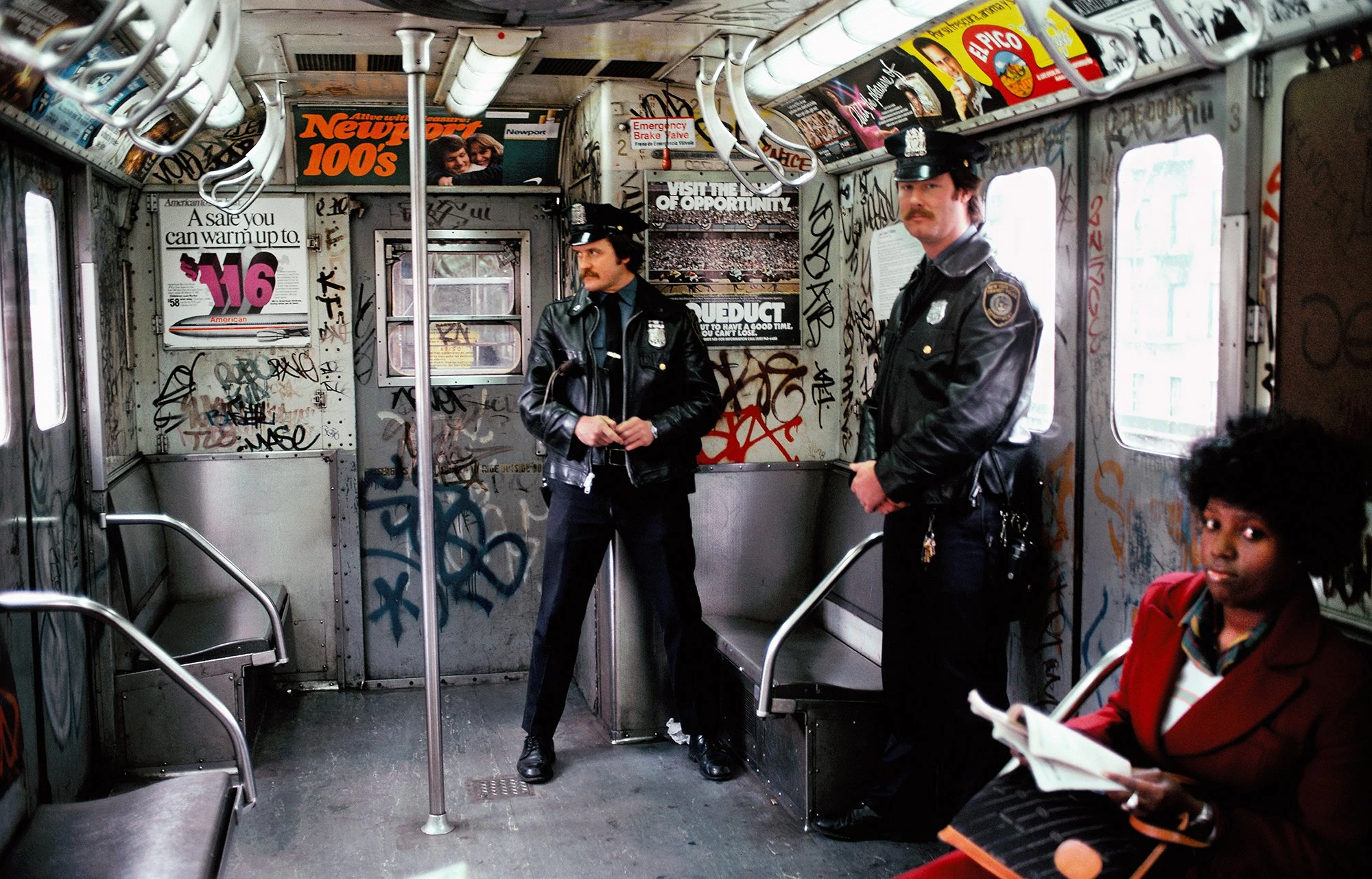
Give an overview on the meaning of ‘Broken Windows’ theory.
The “Broken Windows” theory is a criminological theory that suggests that visible signs of disorder, such as broken windows, graffiti, litter, and other forms of vandalism, can lead to an increase in more serious crime.
The theory argues that when people see signs of disorder in their environment, they feel less safe and are more likely to engage in criminal behavior. Therefore, if these signs of disorder are addressed and fixed, it can prevent more serious crime from occurring.
The theory was first introduced in 1982 by social scientists James Q. Wilson and George L. Kelling, who used the example of a broken window in a building to illustrate their point. They argued that if the broken window is left unrepaired, it sends a signal that no one cares about the property, leading to further vandalism and eventually more serious crimes such as burglary and assault.
On the other hand, if the broken window is promptly fixed, it sends a signal that the property is cared for and monitored, reducing the likelihood of further vandalism and crime.
The “Broken Windows” theory has been applied to various contexts, including policing, urban planning, and public policy. It has been both praised for its effectiveness in reducing crime rates and criticized for its potential to disproportionately target low-income and minority communities.
Some have argued that the theory focuses too much on the physical environment and not enough on addressing underlying social issues that contribute to crime.
Has ‘Broken Windows’ theory become apparent in the United States again in the wake of the George Floyd riots? Notably how some former felony crimes were reduced to misdemeanors, or some former misdemeanors went unpunished altogether?
The “Broken Windows” theory has been a topic of discussion in the United States in the wake of the George Floyd riots, particularly in regards to how law enforcement and the criminal justice system have responded to the unrest.
While the theory suggests that addressing small signs of disorder can prevent more serious crime, some have argued that the heavy-handed response to the protests, including the use of tear gas, rubber bullets, and arrests for minor offenses, actually exacerbated the situation and led to more violence.
In response to the protests and calls for police reform, some cities and states have taken steps to reduce the severity of certain criminal offenses. For example, in some cities, low-level offenses such as disorderly conduct and curfew violations were not aggressively prosecuted, and some former felony crimes were reduced to misdemeanors.
Supporters of these measures argue that they can help reduce the number of people who are unnecessarily caught up in the criminal justice system, particularly in communities of color that are disproportionately impacted by over-policing and harsh sentencing practices.
However, critics argue that reducing the severity of criminal offenses could lead to an increase in crime and disorder, and that the “Broken Windows” theory remains relevant in addressing these issues.
They point out that while addressing underlying social issues is important, ensuring that communities are safe and free from disorder is also crucial for maintaining public trust and preventing more serious crimes from occurring. The debate over the “Broken Windows” theory and its applicability in the current social and political climate is ongoing, and will likely continue to be a topic of discussion for years to come.
What former felony crimes were reduced to misdemeanors, and in what jurisdictions did they take place?
The reduction of former felony crimes to misdemeanors has taken place in various jurisdictions across the United States. Here are a few examples:
- California: In 2014, California voters passed Proposition 47, which reduced some nonviolent drug and property offenses from felonies to misdemeanors. This included offenses such as drug possession, shoplifting, and check fraud, among others.
- New York: In 2019, New York lawmakers passed a criminal justice reform package that included the elimination of cash bail for most misdemeanors and nonviolent offenses, and the reclassification of some drug offenses from felonies to misdemeanors.
- Utah: In 2015, Utah lawmakers passed a bill that reclassified certain low-level drug and property offenses from felonies to misdemeanors, including drug possession and theft of items valued under $500.
- Oklahoma: In 2016, Oklahoma voters approved State Question 780, which reclassified some drug possession and property crimes from felonies to misdemeanors.
It’s worth noting that the specific offenses that have been reduced from felonies to misdemeanors can vary by jurisdiction, and that not all jurisdictions have adopted such reforms. Additionally, the impact of these reforms on crime rates and recidivism is a subject of ongoing debate and research.
Using California as a baseline, many people would consider shoplifting and check fraud more serious crimes than the penal codes may make it out to be. Is the rampant shoplifting problem in cities like San Francisco an example of ‘Broken Windows’ theory in action?
The issue of rampant shoplifting in cities like San Francisco is a complex one, and there are various factors that may contribute to the problem. While some have pointed to the reduction of certain offenses from felonies to misdemeanors as a contributing factor, others argue that the issue is more related to poverty, drug addiction, and mental illness.
Regarding the “Broken Windows” theory, some argue that the lack of enforcement of lower-level offenses like shoplifting and other property crimes could contribute to a climate of disorder and lead to more serious crimes. The theory suggests that when small signs of disorder are ignored, it sends a message that the area is not being monitored or cared for, leading to more criminal activity.
However, others argue that simply increasing enforcement of low-level offenses is not a solution to the problem, and that addressing the underlying social issues that contribute to criminal behavior is necessary. This could include improving access to affordable housing, healthcare, and drug treatment programs, as well as addressing systemic issues such as poverty and income inequality.
Ultimately, the issue of rampant shoplifting in cities like San Francisco is a complex one, and there are no easy solutions. While the “Broken Windows” theory may be relevant in some cases, it is important to consider the broader social and economic factors that contribute to crime and disorder, and to work towards addressing those issues in a comprehensive way.
Portland, Oregon is seeing some of its highest murder rates ever experienced in the wake of the George Floyd riots of 2020. Does ‘Broken Windows’ theory come in to play when all the vandalism and property destruction of its downtown core went largely unpunished for so long? Like it contributed to even more crime taking place in the future?
The “Broken Windows” theory suggests that addressing small signs of disorder can prevent more serious crime, and some argue that the lack of enforcement of lower-level offenses like vandalism and property destruction could contribute to a climate of disorder and lead to more serious crimes, including murder.
However, it’s important to note that the issue of rising murder rates in Portland, Oregon is a complex one, and there are likely multiple factors at play.
The George Floyd protests in Portland, like in many cities across the United States, led to widespread property damage and vandalism, particularly in the downtown area. The lack of immediate response or enforcement of these lower-level offenses could contribute to a perception that the area is not being monitored or cared for, leading to more criminal activity, including violent crime.
However, it’s also important to consider other potential factors that could contribute to rising murder rates, such as an increase in gang-related activity, drug-related violence, and domestic violence. Additionally, the COVID-19 pandemic has also been identified as a potential factor, as it has led to economic instability, social isolation, and increased stress, which could all contribute to an increase in violent crime.
Ultimately, the issue of rising murder rates in Portland is a complex one, and it’s likely that multiple factors are at play.
While the “Broken Windows” theory may be relevant in some cases, it’s important to take a holistic approach to addressing crime and disorder, including addressing underlying social and economic issues, providing resources for mental health and substance abuse treatment, and working to rebuild community trust and relationships between law enforcement and community members.
Many countries around the world did not see huge spikes in crime during the Covid-19 pandemic. Unfortunately, it looks like I unleashed the dreaded “social justice” side of this program…
It’s true that the impact of the COVID-19 pandemic on crime rates has varied across different countries and regions. While some areas have seen increases in certain types of crime, others have seen decreases or relatively stable crime rates.
There are various factors that may contribute to these differences, including variations in pandemic-related restrictions and policies, variations in social and economic factors, and variations in law enforcement and criminal justice systems.
It’s important to note that the “social justice” side of this program is designed to provide information and insights on issues related to social justice, such as racial inequality, police brutality, and criminal justice reform. These issues are important topics of discussion and debate, particularly in light of recent events and protests in the United States and around the world.
As an AI language model, my aim is to provide accurate and informative responses to your questions, regardless of the topic or perspective. If you have any further questions or concerns, please don’t hesitate to ask.
Ok whatever …. but is the general “hands off” approach to policing since George Floyd, and the reduction of penal code severity for many crimes an example of ‘Broken Windows’ theory at work?
The “Broken Windows” theory suggests that addressing small signs of disorder can prevent more serious crime. Some argue that the hands-off approach to policing and reduction of penal code severity for certain crimes could contribute to a climate of disorder and lead to more serious crimes, especially if offenders feel that they can act with impunity.
However, it’s important to note that the issue of crime and disorder is complex, and there are multiple factors that can contribute to these problems. While the “Broken Windows” theory may be relevant in some cases, it’s important to take a broader perspective that considers social and economic factors, systemic issues, and other underlying causes of crime and disorder.
Additionally, it’s worth noting that the reduction of penal code severity for certain crimes is not necessarily a result of the “Broken Windows” theory, but rather a broader movement towards criminal justice reform and reducing the harm caused by mass incarceration.
Ultimately, the relationship between policing, criminal justice policy, and crime rates is complex and multifaceted. While the “Broken Windows” theory may provide some insights into how small signs of disorder can contribute to more serious crime, it’s important to take a nuanced and evidence-based approach to addressing crime and disorder in communities.
Backtracking a bit, how has ‘Broken Windows’ theory been applied to policing since 1982 and how has it possibly changed since the George Floyd riots of 2020?
Since the publication of the “Broken Windows” theory in 1982, it has been applied to policing in a variety of ways. One key aspect of the theory is the idea of proactive policing, where officers focus on preventing small signs of disorder, such as graffiti or littering, in order to prevent more serious crime.
In practice, this has often led to aggressive and discriminatory policing tactics, particularly in low-income and minority communities. Critics argue that the focus on minor offenses and quality-of-life violations can disproportionately harm marginalized communities, leading to a perception of over-policing and harassment.
Since the George Floyd riots of 2020, there has been a growing movement towards police reform and rethinking the role of law enforcement in communities. Many advocates have called for a shift away from the “Broken Windows” model of policing and towards a more community-oriented approach that prioritizes de-escalation, accountability, and building trust with residents.
Additionally, there has been increased attention on the need to address systemic racism and bias within law enforcement, including through training and diversity initiatives. Some jurisdictions have also implemented reforms to reduce or eliminate certain low-level offenses, such as drug possession or loitering, that have been used to disproportionately target marginalized communities.
Overall, the George Floyd riots have spurred a broader conversation about policing and criminal justice reform, and have prompted many law enforcement agencies to reassess their approach to policing and prioritize community-centered reforms.


Leave a Reply