 by Webmaster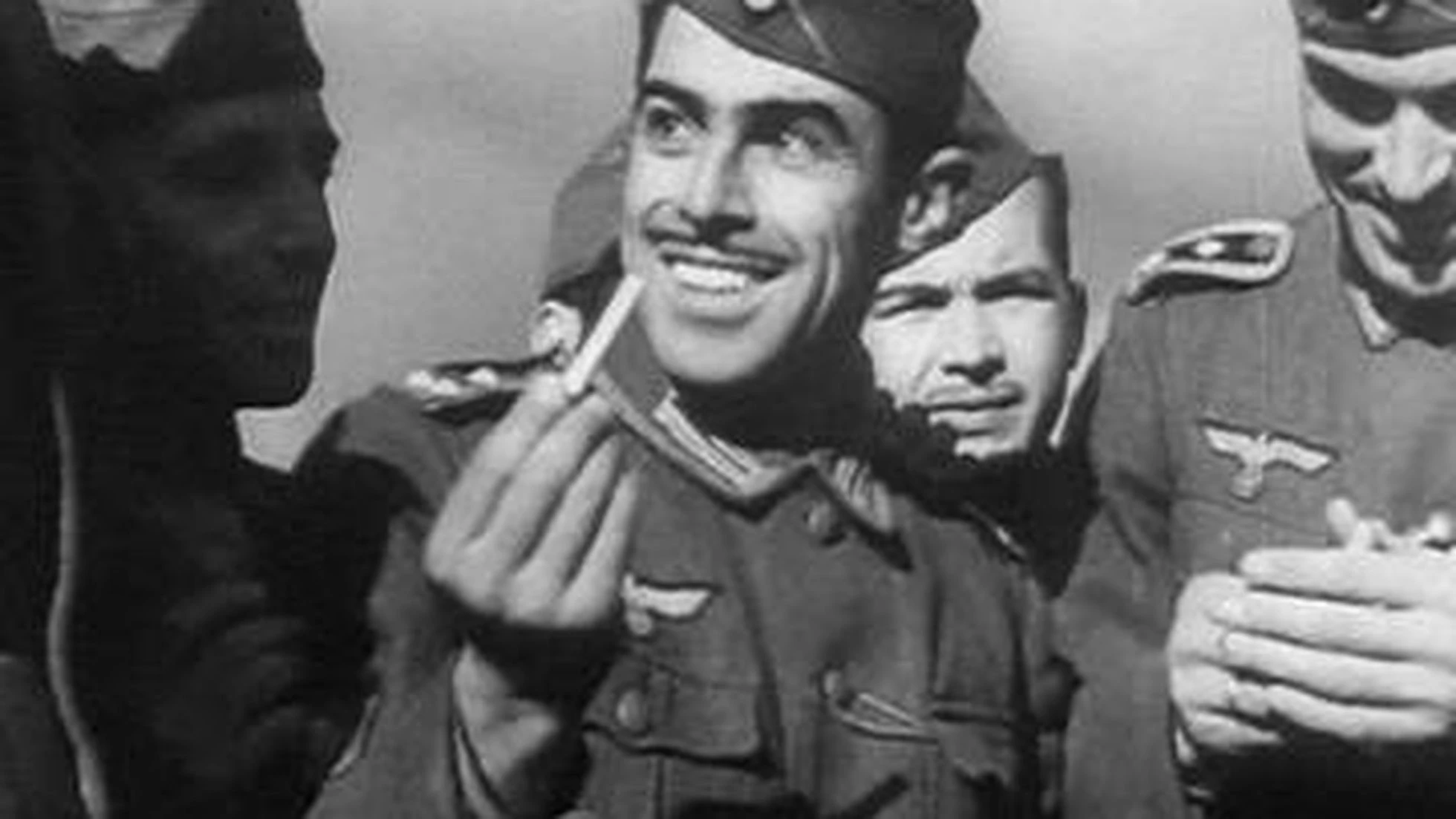
What was the Spanish Blue Division in World War II?
The Spanish Blue Division was a unit of volunteers from Francoist Spain who fought on the Eastern Front of World War II alongside the German Army. The unit was officially known as the Spanish Volunteer Division of the Waffen-SS, but was commonly called the “Blue Division” because of the blue shirts worn by its members.
The Blue Division was formed in July 1941, shortly after Nazi Germany launched Operation Barbarossa, the invasion of the Soviet Union. The unit consisted of around 18,000 volunteers, mostly drawn from the Falangist Party and other nationalist groups in Spain. The volunteers were predominantly young, unmarried men who were ideologically committed to fascism and anti-communism.
The Blue Division was sent to fight on the Eastern Front, where it participated in several major battles, including the Siege of Leningrad and the Battle of Krasny Bor. The unit suffered heavy casualties, with around 4,000 men killed or missing in action.
In 1943, Franco withdrew the Blue Division from the Eastern Front and disbanded it, partly because of pressure from the Allies, who had refused to recognize it as a legitimate military force.
What were some of the key motivations for them to join in the campaign, considering the vast distance between Spain and the Soviet Union?
There were several motivations for Spanish volunteers to join the Blue Division and fight on the Eastern Front alongside Nazi Germany during World War II. Here are a few:
- Anti-Communism: One of the primary motivations for Spanish volunteers to join the Blue Division was their ideological opposition to communism. Many Spaniards saw the Soviet Union as a threat to their own country’s political and economic system, which was heavily influenced by fascism.
- Political and Social Factors: Many Spaniards who joined the Blue Division were supporters of the Francoist regime and saw the war as an opportunity to show their loyalty to the Spanish government. Others were motivated by economic factors, such as the promise of higher wages and better living conditions in Nazi Germany.
- Personal Reasons: Some volunteers joined the Blue Division for personal reasons, such as a desire for adventure or a belief in the cause of fascism. Others were motivated by a sense of duty and patriotism, wanting to serve their country and protect it from perceived threats.
It’s worth noting that not all Spaniards were supportive of the Blue Division. Many opposed Franco’s decision to send volunteers to fight on the Eastern Front and saw it as a betrayal of Spain’s neutrality in the war. In addition, the Blue Division’s reputation suffered from its association with Nazi Germany and the atrocities committed by the SS on the Eastern Front.
Elaborate on their Anti-Communism.
Anti-Communism was a strong motivation for many Spanish volunteers to join the Blue Division and fight on the Eastern Front during World War II. This was partly due to the political climate in Spain at the time, where the ruling Francoist regime had a strong anti-communist stance and had waged a brutal civil war against communist and socialist forces in the 1930s.
In addition, Spain had a long history of political instability, and many Spaniards saw communism as a threat to their way of life. They feared that if the Soviet Union won the war, communism would spread to Spain and destabilize the country further.
Furthermore, the Spanish volunteers who joined the Blue Division had a deep-seated fear of communism based on their own experiences during the Spanish Civil War. Many had seen first-hand the violence and destruction caused by communist and anarchist forces, and were convinced that communism posed a grave threat to their country.
Finally, there was a broader geopolitical context to the anti-communist sentiment in Spain at the time. The United States and other Western powers were also strongly anti-communist, and saw the Soviet Union as a threat to their own security. This made it easier for Spanish volunteers to see themselves as part of a larger struggle against communism and to justify their participation in the war on the Eastern Front.
Elaborate on social factors for their motivations to join the war effort.
Spain was still recovering from the devastation of the Spanish Civil War, which had left the country in ruins. Many Spaniards saw the opportunity to work in Nazi Germany as a chance to earn higher wages and improve their standard of living. The Francoist regime encouraged this by promising to provide support for the families of volunteers and offering other incentives to join the war effort.
Many Spanish volunteers who joined the Blue Division were also young, unmarried men who were seeking adventure and a sense of purpose. For some, the war was a chance to prove their courage and bravery in battle. Others saw it as an opportunity to escape poverty and hardship at home and to experience life in another country.
Finally, there was a sense of duty and patriotism among some Spanish volunteers. They saw it as their duty to serve their country and to fight for its interests. Many believed that by joining the war effort, they were defending Spain’s honor and protecting it from perceived threats from the Soviet Union and communism more broadly.
How did the Blue Division perform overall in their theater?
The Blue Division, or the Spanish Volunteer Division of the Waffen-SS, fought on the Eastern Front of World War II alongside Nazi Germany against the Soviet Union. Overall, the Blue Division’s performance was mixed.
In the early stages of the war, the Blue Division participated in the Siege of Leningrad and played a key role in the capture of the town of Krasny Bor. However, the unit suffered heavy losses in both battles, and its effectiveness began to decline over time.
One of the reasons for the decline in effectiveness was the fact that the Blue Division was made up of volunteers who were inexperienced in modern warfare. Many of the volunteers had no military training, and there was a lack of proper equipment and supplies. In addition, the unit suffered from poor leadership and coordination with the German army.
Despite these challenges, the Blue Division continued to fight on the Eastern Front for over two years, and its performance varied depending on the specific battles and circumstances. Some historians have praised the unit’s courage and determination, while others have criticized its association with Nazi Germany and the atrocities committed by the SS on the Eastern Front.
Overall, it is difficult to make a definitive assessment of the Blue Division’s performance, as the unit’s actions and legacy remain controversial and divisive to this day.
What were the Blue Divisions main duties during the Siege of Leningrad?
The Blue Division was primarily involved in defensive operations during the Siege of Leningrad. Their main duties included holding the front line, providing security for important infrastructure and installations, and participating in occasional counterattacks against Soviet forces.
One of the key tasks of the Blue Division during the siege was to hold the northern sector of the German front line, which was located to the east of the city. This was a critical area, as it was the site of several key defensive positions and supply routes, and was therefore a frequent target of Soviet attacks.
In addition to their defensive duties, the Blue Division also provided support for German forces during the siege. This included participating in joint operations with German units to secure important objectives, as well as providing logistical support and assistance with engineering and construction projects.
Overall, the Blue Division played an important role in the defense of German positions during the Siege of Leningrad, and their presence helped to alleviate some of the pressure on the German army as it sought to hold off the Soviet advance.
Was there much interaction between these Spanish volunteers and the German units?
There was some interaction between the Spanish volunteers of the Blue Division and the German units on the Eastern Front, although the level of interaction varied depending on the circumstances.
At the beginning of their deployment, the Spanish volunteers received some training from the German army, which included instruction on the use of German weapons and tactics. They were then assigned to various German units and fought alongside them in battles on the Eastern Front.
However, the relationship between the Spanish volunteers and the German units was often strained. The Spanish volunteers were seen as inexperienced and poorly equipped, and there was a sense among some German soldiers that they were being burdened with an unnecessary liability.
Furthermore, the Spanish volunteers were often treated as second-class soldiers by the German army. They were not given the same pay or privileges as German soldiers, and they were subject to strict discipline and punishment if they disobeyed orders or showed signs of insubordination.
Despite these challenges, there were some instances of camaraderie and cooperation between the Spanish volunteers and the German soldiers. In some cases, Spanish volunteers and German soldiers developed close personal relationships and looked out for each other on the battlefield.
Overall, the interaction between the Spanish volunteers and the German units was mixed, and the relationship between the two groups was often complicated by cultural and language barriers as well as political differences.
What were cultural barriers between the Blue Division and the main German army units?
The Blue Division, composed of Spanish volunteers, faced several cultural barriers when interacting with the main German army units on the Eastern Front. Some of these barriers included:
- Language barriers: The Spanish volunteers primarily spoke Spanish and had limited knowledge of German. This made it difficult for them to communicate effectively with German soldiers, particularly those who did not speak Spanish or had limited knowledge of it.
- Religious and cultural differences: Many of the Spanish volunteers were devout Catholics and had strong ties to their Spanish heritage and culture. In contrast, the German soldiers were primarily Protestant and had a different cultural background. These differences could lead to misunderstandings and tensions between the two groups.
- Differences in military traditions and practices: The Spanish military had a different set of traditions and practices than the German military, which could lead to confusion and difficulties in coordinating operations. For example, the Spanish volunteers were more likely to charge into battle without waiting for orders or coordinating with other units, which could put them at odds with the more cautious and methodical German approach.
- Political differences: The Spanish volunteers were fighting alongside the Germans as volunteers, rather than as a formal part of the German military. As a result, they often had different political motivations and objectives than the German soldiers, which could lead to tensions and disagreements on the battlefield.
Overall, these cultural barriers made it challenging for the Blue Division to integrate fully with the German army and contributed to the challenges they faced during their deployment on the Eastern Front.
What were examples of positive interactions between the Spanish and German forces.
While there were certainly cultural barriers and challenges between the Spanish and German forces, there were also examples of positive interactions and camaraderie between the two groups. Here are a few examples:
- Joint operations: Despite the cultural and linguistic differences, the Spanish and German forces were able to work together effectively in some joint military operations. For example, during the Battle of Krasny Bor in 1943, the Spanish volunteers fought alongside German troops and were praised for their bravery in the face of heavy Soviet resistance.
- Sharing of supplies: While the Spanish volunteers were not always given the same equipment and supplies as the German troops, there were instances of German soldiers sharing their resources with the Spanish volunteers. In some cases, German soldiers would give their extra food or clothing to the Spanish volunteers, which helped to foster a sense of goodwill and camaraderie between the two groups.
- Personal relationships: Despite the cultural differences, there were many examples of individual Spanish volunteers and German soldiers forming close personal relationships. For example, there are accounts of German soldiers teaching Spanish volunteers how to speak German and vice versa, which helped to break down language barriers and build connections between the two groups.
- Mutual respect: Despite the fact that the Spanish volunteers were not always treated as equals by the German army, there was often a mutual respect between the two groups. Many German soldiers admired the bravery and determination of the Spanish volunteers, and there are accounts of Spanish volunteers expressing their respect for the professionalism and military expertise of the German troops.
Overall, while there were certainly cultural barriers and challenges, there were also instances of positive interactions and camaraderie between the Spanish and German forces.
How were Blue Division veterans treated at home in the years following World War II? Especially since they were comparatively rare and they fought by choice?
The treatment of Blue Division veterans varied greatly in the years following World War II. In general, they were not welcomed back to Spain with open arms, as the Spanish government sought to distance itself from its connections to Nazi Germany and the Axis powers.
Many Blue Division veterans faced suspicion and scrutiny from the Spanish government, which was concerned about the political affiliations of those who had fought on the Eastern Front. Some veterans were even subjected to interrogation and imprisonment upon their return to Spain, particularly if they were suspected of having ties to the fascist Franco regime.
Despite these challenges, some Blue Division veterans were able to integrate back into Spanish society and resume their lives as normal. Others chose to emigrate to other countries, such as Argentina or Mexico, where they felt more accepted and could start anew.
In some cases, Blue Division veterans were able to use their military experience to their advantage. For example, some were able to secure jobs in the military or law enforcement based on their combat experience and training. Others used their experience as a way to distinguish themselves in their careers, such as in business or academia.
Overall, while Blue Division veterans faced some challenges in their home country following World War II, they were not universally reviled or mistreated. Many were able to rebuild their lives and move on from their experiences on the Eastern Front, while others chose to leave Spain and start anew elsewhere.
Is there any data on how many Blue Division veterans moved to Argentina or Mexico?
There is no reliable data on how many Blue Division veterans moved to Argentina or Mexico after World War II. However, it is known that some veterans did choose to emigrate to these countries, as well as other parts of Latin America, in the years following the war.
In general, these veterans were attracted to Latin America due to the strong Spanish heritage and cultural ties in the region. Many felt that they would be more accepted and welcomed in Latin America than in Spain, particularly given the political climate at the time.
It is worth noting that while some Blue Division veterans did choose to emigrate, the majority stayed in Spain and attempted to rebuild their lives there. Despite the challenges they faced, many felt a strong connection to their homeland and were determined to make a life for themselves in Spain after the war.
Was the Blue Division a key factor in the mostly icy relations between Spain and the Soviet Union following World War II?
While the Blue Division certainly played a role in the tense relations between Spain and the Soviet Union following World War II, it was not the sole cause of the icy relationship between the two countries.
Spain’s connections to Nazi Germany and the Axis powers during World War II, as well as its post-war political alignment with the United States, were major factors in the deterioration of relations between Spain and the Soviet Union. Additionally, the Soviet Union was deeply suspicious of Spain’s right-wing Franco regime and its perceived fascist sympathies.
That being said, the presence of the Blue Division on the Eastern Front did exacerbate tensions between Spain and the Soviet Union. The fact that Spanish volunteers had fought on the side of Nazi Germany and had been involved in the invasion and occupation of the Soviet Union was a major source of concern for the Soviet government, particularly given Spain’s vast geographic distance to the Soviet Union.
Overall, while the Blue Division was not the primary cause of the tense relations between Spain and the Soviet Union following World War II, it did contribute to the ongoing suspicions and animosity between the two countries.
Are there many memorials to Blue Division veterans in modern day Spain?
There are relatively few memorials to Blue Division veterans in modern-day Spain. This is in part due to the controversial nature of the division’s involvement in World War II and its association with Nazi Germany and the Axis powers.
While some Blue Division veterans and their families have erected memorials to honor their service, these are typically located on private property and are not widely publicized. There are also some memorials and plaques dedicated to the division in certain Spanish cities and towns, but these are relatively rare.
In recent years, there has been some discussion in Spain about how best to remember and commemorate the legacy of the Blue Division. Some argue that it is important to acknowledge and honor the sacrifices of the Spanish volunteers who fought on the Eastern Front, while others argue that it is inappropriate to glorify or romanticize their participation in a war that was fought in support of Nazi Germany.
Overall, the legacy of the Blue Division remains a contentious and sensitive issue in modern-day Spain, and there are relatively few public memorials or monuments dedicated to its veterans.
Are there any living veterans of the Blue Division as of 2023?
There are now no living veterans of the Blue Division as of 2023. The last surviving veteran, Antonio López Martínez, passed away in December 2020 at the age of 101. With his passing, the last direct link to the Blue Division and its legacy has been lost.
Was Mr. Antonio López Martínez given any kind of recognition by the Spanish government with his passing?
Yes, Antonio López Martínez was given recognition by the Spanish government after his passing in 2020. He was posthumously awarded the Order of Merit of the Civil Guard, which is one of the highest honors that can be bestowed upon a member of the Spanish security forces.
This award recognized López Martínez’s service to his country during World War II and his contributions to the Spanish Civil Guard following his return from the war.
In addition to this award, López Martínez was also honored with a military funeral and a ceremony at the Civil Guard headquarters in Madrid. Several high-ranking officials, including the Interior Minister and the Director General of the Civil Guard, attended the ceremony to pay their respects to López Martínez and to acknowledge his service to his country.
López Martínez’s passing also prompted renewed discussion in Spain about the legacy of the Blue Division and the role that its veterans played in World War II. Some have argued that the volunteers who served in the division were motivated by a desire to fight communism and defend their country, while others have criticized their association with Nazi Germany and the Axis powers.

Leave a Reply